Ukraine Talks: Six Guarantees and One Major Point of Dispute
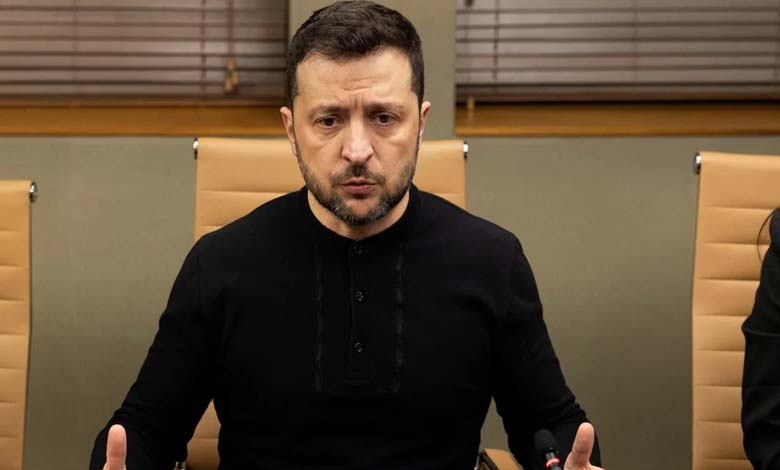
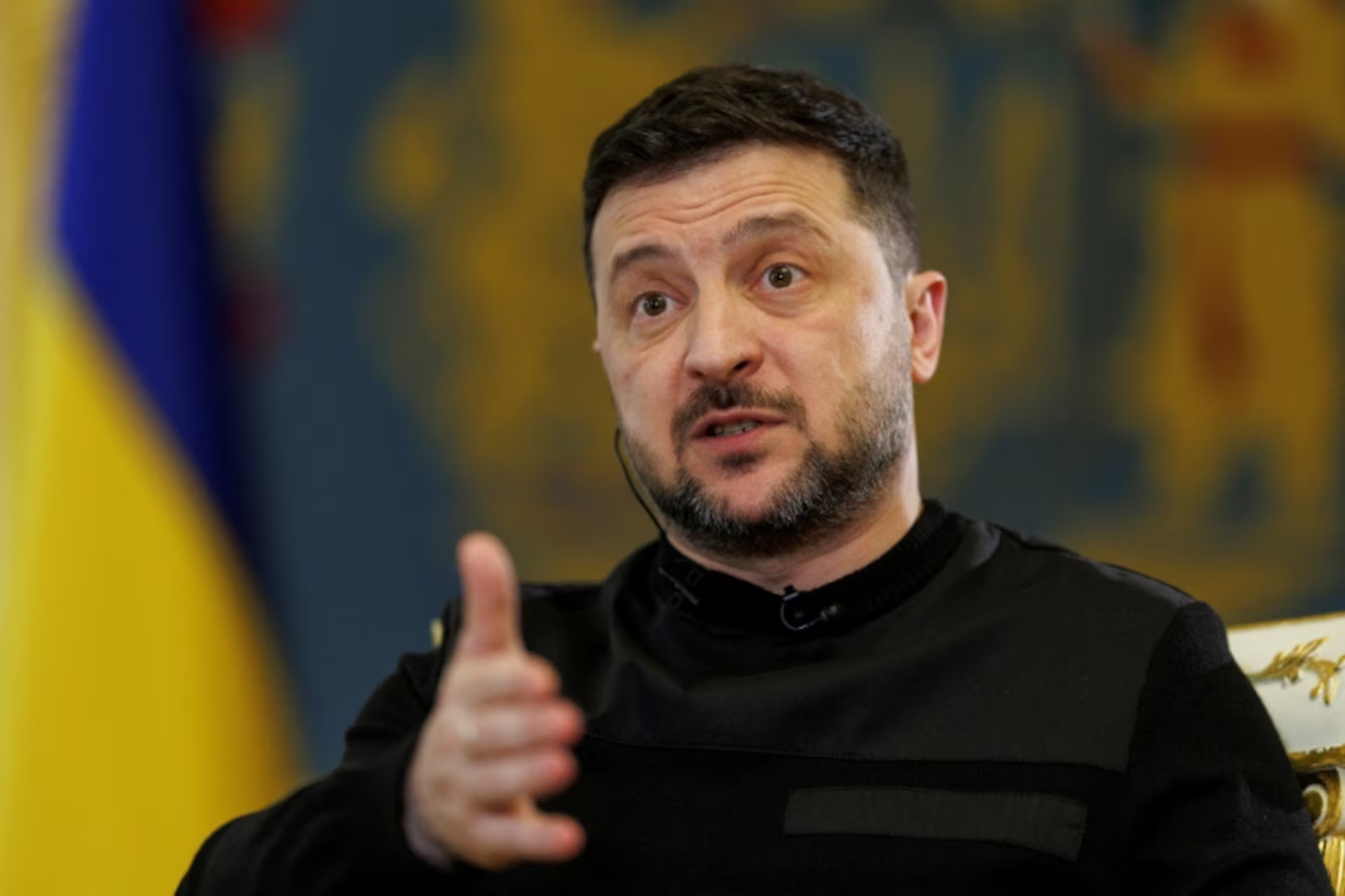
This week, American representatives traveled to Germany in an effort to persuade Ukrainian President Volodymyr Zelensky to accept a potential settlement agreement to end the war, amid reports of significant progress toward a ceasefire deal.
-
Russia strikes with Kinzhal missiles: hypersonic pressure overwhelms Ukraine
-
He wants action… Trump tired of meetings about Ukraine
U.S. President Donald Trump stated that an agreement is now “closer than ever” following talks held in Berlin, which were attended by White House special envoy Steve Witkoff and Trump’s son-in-law, Jared Kushner, according to the British newspaper The Times.
Zelensky has already shown a willingness to make major concessions, including holding elections within 60 to 90 days after the start of a ceasefire and abandoning Ukraine’s aspirations to join NATO.
After the talks, a group of 12 European countries, including the United Kingdom, Germany, and France, issued a set of red lines outlining their commitments to any peace agreement.
-
2025: Ukraine’s military aid approaches its lowest level
-
Russia and Ukraine… mutual strikes and a revised peace plan
Key European guarantees
First guarantee: providing sustained and substantial support to Ukraine to build up its armed forces and maintain them at around 800,000 troops in peacetime, ensuring the capacity to deter conflict and defend Ukrainian territory.
This ceiling represents a clear increase compared to the original Russian proposal, which sought to limit the army to 600,000 troops, while Ukrainian forces numbered around one million at the beginning of the year.
Second guarantee: the establishment of a European-led multinational force within the framework of a “coalition of the willing,” supported by the United States, to assist Ukraine in rebuilding its forces, securing its airspace, and ensuring maritime safety, including operations conducted on Ukrainian territory.
-
Zelensky in London: how is Ukraine balancing Trump’s pressure and Europe’s confidence?
-
Peace in Ukraine… Russia awaits a U.S. response to the Moscow talks
The greatest challenge lies in the extent to which this force would rely on U.S. intelligence capabilities, as without them its effectiveness would be severely constrained.
Third guarantee: the creation of a U.S.-led, internationally supported monitoring and verification mechanism for the ceasefire, designed to provide early warnings of any future attacks, determine responsibility for violations, and work toward de-escalation measures.
Despite the United States possessing the largest fleet of military satellites, questions remain regarding the adequacy of these guarantees, particularly in light of Russia’s military operation in Ukraine in February 2022, which occurred despite prior intelligence warnings.
-
Ukraine under fire: 600,000 left without electricity amid mutual attacks with Russia
-
Three contentious issues threaten a Ukraine settlement… traps cloud the optimism
Fourth guarantee: a legally binding commitment to take the necessary measures to restore peace and security in the event of a future armed attack. This could include the use of military force, intelligence and logistical assistance, as well as economic and diplomatic measures. Zelensky remains cautious about how firmly countries would commit to defending Ukraine in the event of renewed aggression, especially after abandoning hopes of NATO membership.
Fifth guarantee: investing in Ukraine’s future prosperity by allocating significant resources for recovery and reconstruction, concluding reciprocal trade agreements, and requiring Russia to compensate Ukraine for the damage caused. The Russian assets frozen in European banks, estimated at 210 billion euros, represent a powerful source of leverage, although control over how they are used remains in the hands of European authorities rather than the United States.
Sixth guarantee: strong support for Ukraine’s accession to the European Union. Zelensky has received assurances that Ukraine could join the EU by January 2027, but he remains uncertain about Russia’s acceptance of this development and whether Moscow might seek to prevent it by any means.
-
Ukraine war: allegations of mercenary recruitment targeting the daughter of South Africa’s former president
-
Trump’s peace plan for Ukraine: deadline for Kyiv until Thursday, and Putin comments
The major point of dispute
The most sensitive issue concerns territory. Russia has demanded that Ukraine relinquish the entire eastern Donbas region, rich in coal resources, including the fortified cities of Donetsk that Russia has failed to fully control over a decade of war.
Zelensky fears that any territorial concession would increase Ukraine’s exposure to future attacks, a prospect he firmly rejects. While European countries refuse to allow
President Vladimir Putin to redraw borders by force, President Trump appears to view the surrender of Donbas as the necessary price for peace, stating, “They have already lost that territory, frankly.”
These commitments and this major point of contention highlight the scale of the complexities facing any potential peace agreement, where military, political, and geostrategic issues are deeply intertwined, making the outcome dependent on a delicate balance between concessions and international guarantees.
-
Russia-Ukraine War: Drones Fly Both Ways amid Shifting Frontline Developments
-
Ukraine’s Funding at Risk: Russian Assets Threaten to Divide the European Union
-
Collapse of Armored Forces and Recruitment Crisis: Ukraine Faces Its Gravest Challenge Since the War Began
-
After battlefield stagnation… Ukraine turns to Flamingo and its counterparts