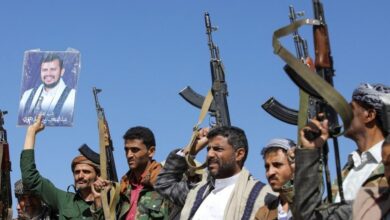
Disarming Hamas: a gradual US plan between optimism and caution
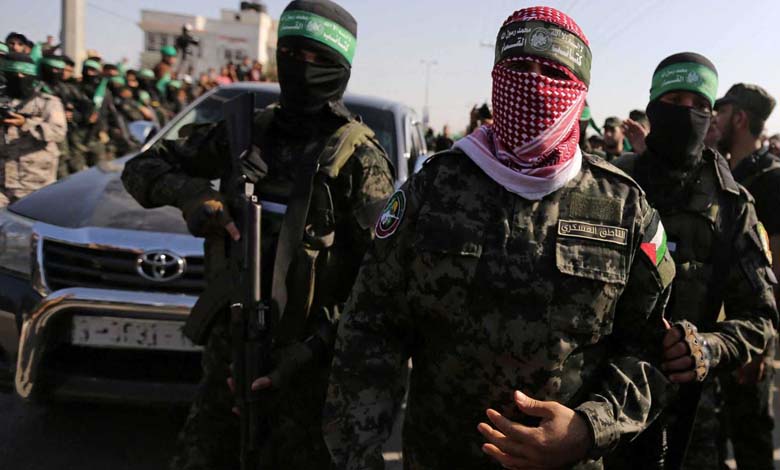
Washington believes that the Hamas movement is “ready” to disarm as the Gaza ceasefire agreement moves into its second phase.
According to the American website Axios, two US officials stated during a briefing that “Hamas has secretly indicated its willingness to accept a disarmament plan.”
The American site noted that “any hope of turning the Gaza truce into a lasting peace depends on Hamas giving up its weapons and Israel withdrawing its forces, rather than attempting once again to disarm the group by force.”
-
After the Ban on the Muslim Brotherhood, Texas Moves Against Hamas
-
Timeline for the second phase in Gaza to begin mid-January… two months to disarm Hamas
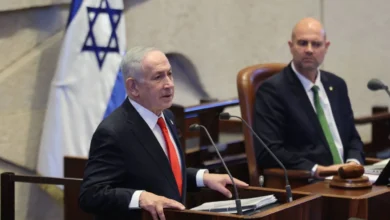
However, the main point of contention remains Israel’s deep skepticism regarding Hamas’s voluntary compliance with the plan proposed by US President Donald Trump.
Israel reluctantly agreed to move to the “second phase,” partly due to the failure to return the remains of one deceased hostage under the terms of the “first phase.”
Meanwhile, some hardline ministers within the Israeli government have long sought to cancel the Trump agreement and resume the war.
-
After Israel’s announcement, Hamas confirms the death of military wing leader Raed Saad
-
Hamas presents a new proposal regarding its weapons… and reveals the candidate to administer Gaza
By contrast, the Trump administration and the other mediators – Egypt, Turkey and Qatar – are more optimistic, according to a US official.
The official said: “We have put together a disarmament plan. The president wants to see it implemented. Hamas is indicating that it will happen. We believe it can be achieved.”
He added: “The mission will not be considered complete until the remains of the last hostage are found, but this is not a sufficient reason to halt progress toward a peace agreement.”
-
American newspaper reveals the situation of Hamas fighters trapped in the tunnels
-
Trapped Behind the Yellow Line… Hamas Seeks a Ray of Light in Rafah’s Tunnels
A new Palestinian government for Gaza
The most significant announcement of the second phase concerns the formation of a new technocratic Palestinian government tasked with managing daily affairs in the Gaza Strip.
The government will be headed by Ali Shaath, former deputy minister of transport in the Palestinian Authority.
A US official stated: “We carefully vetted their selection, all of whom are from Gaza. It was a thorough process to find the right people. This is a group that wants peace and is working hard to provide services to its people. We will do everything we can to help them succeed.”
-
The United States sets a timeline for deploying the Gaza Force and disarming Hamas
-
Avatars and shadow accounts: new details on Hamas’s preparations for October 7
Officials revealed that the United States and other mediators have held discussions with Hamas in recent weeks regarding disarmament, and that these talks will continue in the coming weeks as the second phase begins and the new government assumes its duties.
According to the same sources, the Trump administration’s plan to disarm Gaza will be implemented in stages and gradually. In the short term, it focuses on:
– dismantling Hamas infrastructure, such as tunnels and weapons manufacturing facilities;
– removing heavy weapons, including RPG launchers and missiles.
In this context, a US official said that “these weapons will be placed in locations where they cannot be used to carry out attacks against Israel.”
The plan also includes the establishment of a police force in Gaza operating under the authority of the technocratic government, responsible for maintaining security and public order, with exclusive control over the use of force.
-
Washington proposes resolving the crisis of Hamas fighters in Rafah by relocating its leaders
-
During the recovery of a hostage’s remains in Gaza, Hamas admits to deceiving Israel
Potential amnesty and Israeli concerns
Washington has indicated its intention to explore the possibility of implementing “amnesty programs,” in coordination with Israel, allowing Hamas members willing to relinquish their personal weapons to do so.
A US official said: “Hamas is depleted and has lost a large number of its fighters.”
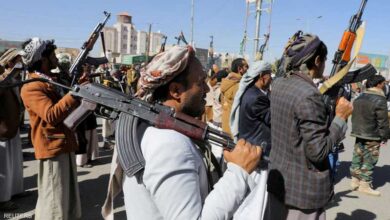
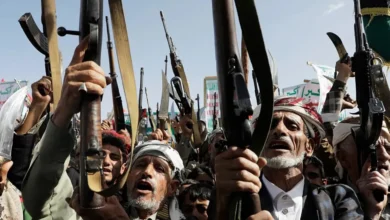
Officials acknowledged Israel’s significant doubts regarding Hamas’s genuine commitment to disarmament, particularly given the movement’s public stance that it will not fully disarm unless a Palestinian state is established.
Nevertheless, several Hamas leaders have publicly expressed their readiness to hand over heavy weapons either to an Arab force, to the Palestinian government, or to place them in storage under supervision.
-
Amnesty for Weapons – A New U.S. Proposal to Resolve the Hamas Issue
-
Hamas Fighters Inside the Yellow Line: A New Test for the Gaza Ceasefire
International force and upcoming developments
Among the anticipated developments is the deployment of an “international stabilization force” approved by the UN Security Council, which is expected to be stationed in areas of Gaza still under Israeli control, allowing for a gradual withdrawal of Israeli forces.
US officials noted that several countries have expressed interest in participating in this force, with an announcement expected within two weeks, despite the reluctance of many states to send troops to Gaza, particularly if they are required to take part in disarming armed factions.
-
Eight Remain… Israel Reveals the Identities of Three Bodies Handed Over by Hamas
-
Safe Corridor… Details of a New US Offer to Hamas in Gaza