Conspiracy 2 in Tunisia: heavy sentences handed down against Ghannouchi and prominent Muslim Brotherhood figures
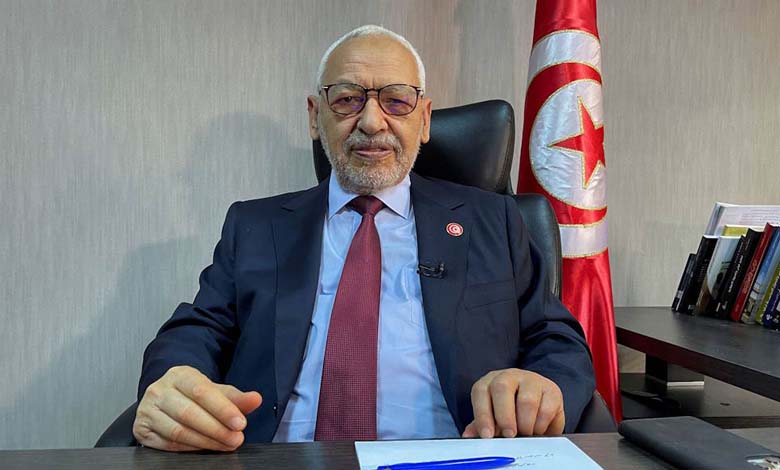
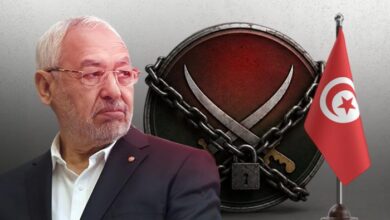
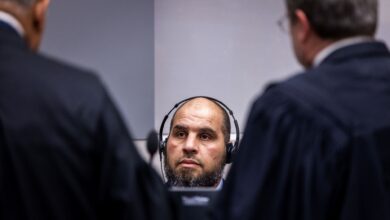
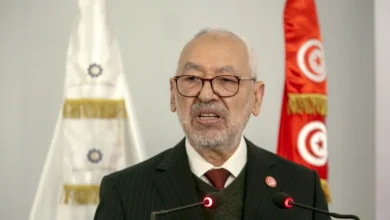
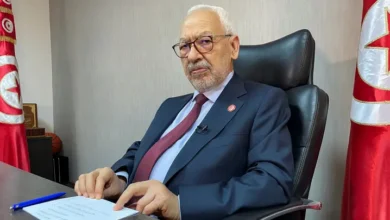
The criminal chamber specializing in terrorism cases at the Tunis Court of Appeal issued, on Tuesday, severe prison sentences against several Muslim Brotherhood leaders in what is known as the “Conspiracy against State Security 2” case, headed by Ennahdha movement leader Rached Ghannouchi.
Late on Monday night, the court delivered prison sentences ranging from three to thirty-five years in the same case.
-
Rached Ghannouchi Rejects Remote Trial Appearance: Conspiracy 2 Case Shakes the Muslim Brotherhood in Tunisia
-
Tunisia: Rached Ghannouchi refuses to appear before the judiciary in a money laundering case
Rached Ghannouchi and Islamist leader Kamal Badoui were each sentenced to twenty years in prison, while former Ezzahra mayor Rayan Hamzaoui received a three-year sentence.
The court also sentenced former head of Tunisian intelligence Mahrez Zouari and former chief of airport security Abdelkrim Abidi to seven years in prison each. In addition, Islamist figure Fathi Beldi and former special adviser to the interior minister Samir Hennachi were each sentenced to fifteen years.
The court ordered all convicted defendants, with the exception of Rayan Hamzaoui, to be placed under administrative supervision for a period of five years starting from the completion or expiry of their prison terms. The administrative supervision imposed on Rayan Hamzaoui was set at two years.
-
The Spoiled Son of Rached Ghannouchi… Who is the Tunisian Brotherhood member Seifeddine Makhlouf ?
-
Tunisia asks Interpol to arrest and hand over son of Rached Ghannouchi
As for the defendants tried in absentia, the court handed down thirty-five-year prison sentences. These include Moaz Ghannouchi, son of Rached Ghannouchi, Nadia Akacha, Shahrazad Akacha, Kamal Guizani, Lotfi Zitoun, Maher Zaid, Mostafa Kheder, Adel Daadaa, Rafik Abdessalem, Ghannouchi’s son-in-law, and Abdelkader Ben Farhat.
The court also ordered that all defendants convicted in absentia be placed under administrative supervision for five years.
Case details
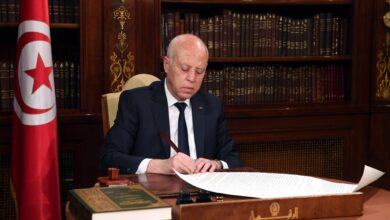
The case dates back to June 2023, when the investigative office of the counterterrorism judicial pole opened an inquiry into what was described as a “new Muslim Brotherhood plot” aimed at infiltrating state institutions in order to overthrow President Kaïs Saïed, in coordination with security and civilian actors, including Nadia Akacha.
-
Tunisia: Rached Ghannouchi was brought back to court as a suspect
-
Rached Ghannouchi to appear before the Tunisian Justice next Monday
According to Tunisia’s Interior Ministry, credible and serious threats targeting the safety of President Saïed were identified, involving individuals operating both inside and outside the country, with the aim of spreading chaos and undermining state stability.
The list of defendants also included former prime minister Youssef Chahed, who filed a cassation appeal against the referral decision. The rulings issued did not address his legal status, pending the outcome of the appeal.
These verdicts represent a major blow to the Muslim Brotherhood’s organization in Tunisia. They underscore the authorities’ determination to dismantle networks accused of destabilizing internal security and undermining state legitimacy, while also revealing the depth of the movement’s penetration into state institutions and its repeated attempts to regain power through infiltration of sovereign bodies.
-
A lawyer: 33 people, including Rached Ghannouchi, charged with terrorism
-
Tunisian parliament leader Rached Ghannouchi summoned for questioning
-
Rached Ghannouchi and Rafik Abdessalem before the judicial and financial pole – Tunisia