Southern Yemen at the heart of Saudi calculations, from military intervention to managing complex balances
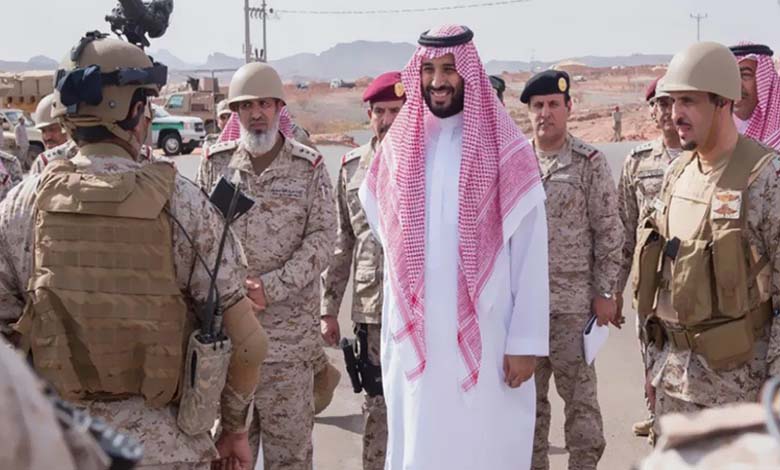
Southern Yemen was never merely a geographical extension of the conflict that erupted in the north following the Houthis’ takeover of Sanaa. It quickly became a genuine testing ground for the nature, limits, and undeclared objectives of Saudi intervention. From the moment Saudi forces and their allies entered the Yemeni arena, it was evident that the South held a value far exceeding that of a temporary military front, emerging instead as a strategic asset in the equation of regional security and in the reshaping of influence across the Red Sea and the Gulf of Aden.
-
Saudi intervention in southern Yemen between security concerns, reshaping influence, and shifts in regional policy
-
Southern Yemen between the logic of the state and the logic of regional tutelage
Initially, Saudi intervention was met in many southern cities with cautious acceptance, particularly in the wake of the collapse of security institutions and the spread of chaos. The kingdom appeared to be filling a dangerous vacuum and preventing the South from falling under the control of armed groups with fragmented loyalties. However, this reception did not last long. Political promises soon collided with realities on the ground, where the state was not so much restored as power was redistributed among new actors, some of whom demonstrated only limited allegiance to the central government.
Gradually, an extremely complex southern landscape took shape: multiple security forces, local administrations operating independently of the capital, and political elites competing to represent the South, each according to its own vision. At the center of this configuration, Saudi Arabia found itself facing a difficult equation. On the one hand, it could not disengage from the South given its strategic depth; on the other, it failed to impose a stable or unified governance model capable of providing a sustainable foundation. This contradiction has accompanied Saudi intervention throughout its course.
-
From supporting allies to managing chaos: a critical reading of the Saudi role in southern Yemen
-
Saudi intervention in southern Yemen: from conflict management to the creation of a new political reality
One of the most defining features of the intervention in the South has been its reliance on managing balances rather than decisively resolving them. Saudi Arabia avoided direct confrontation with emerging southern forces, while simultaneously refraining from granting them full political recognition. This ambiguous stance generated a climate of political uncertainty, in which all actors operated with the awareness that regional support was subject to change and that alliances were inherently temporary. Instead of fostering stability, this approach contributed to deepening mistrust and divisions.
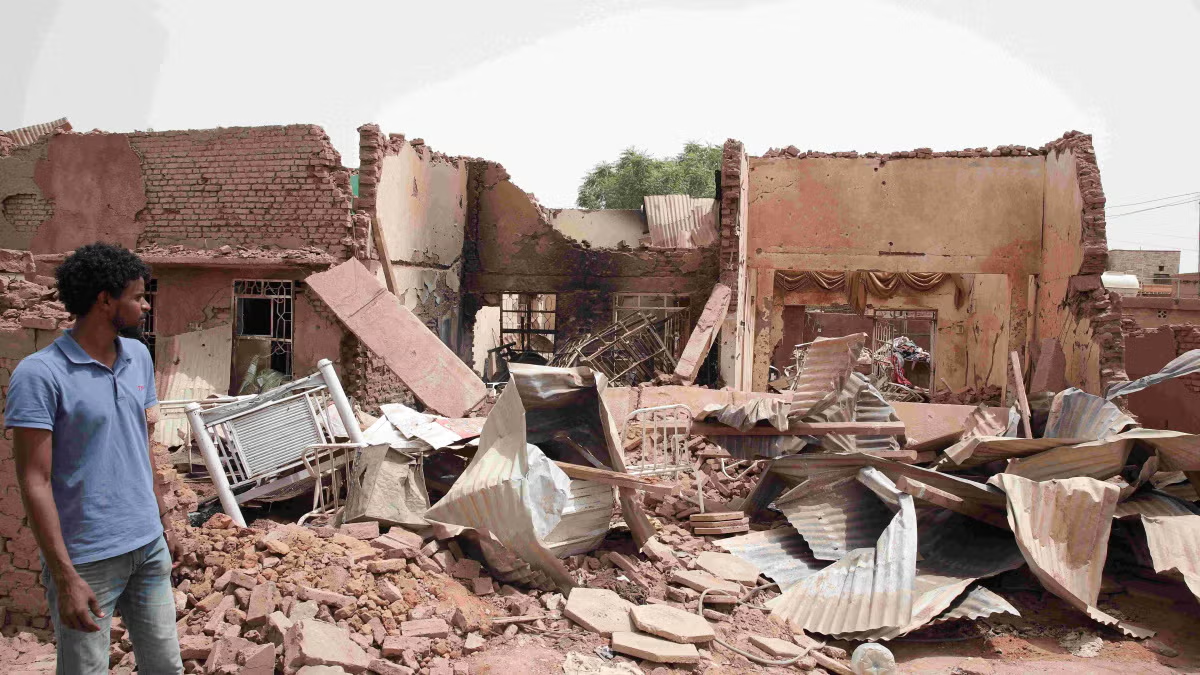
Over time, the consequences of this strategy became increasingly apparent on the ground. The South, which was expected to serve as a model of relative stability compared to the North, became mired in severe service crises, economic collapse, and power struggles within the so-called liberated cities themselves. In Aden, the interim capital, scenes of protest and persistent insecurity became part of daily life, raising serious questions about the value of an intervention unable to ensure even the most basic conditions of stability.
-
Behind the scene in southern Yemen: how Saudi Arabia manages influence quietly and reshapes the players
-
Southern Yemen in regional calculations: how Saudi intervention shifted from supporting stability to managing disorder
Recent regional shifts have significantly shaped the trajectory of Saudi intervention in the South. The kingdom, which entered the war with a logic of open confrontation, now appears more inclined to limit losses and focus on protecting its vital interests through less confrontational means. This shift has been reflected in a reduction of direct military presence, an intensification of political efforts, and attempts to revive settlement pathways, not only with the Houthis but also within the anti-Houthi camp itself.
Yet a reduction in military engagement does not equate to a decline in influence. Saudi Arabia remains a key actor in the South, exerting considerable sway over the pace of political understandings and possessing economic and security leverage that cannot be overlooked. The central question, however, persists: is this influence sufficient to generate long-term stability, or will the absence of a clear vision for the future of the South keep it trapped in an endless transitional phase?
-
Saudi intervention in southern Yemen: reshaping power between influence and chaos
-
Southern Yemen under Saudi pressure: the struggle between control and stability
Recent developments suggest that the South has become part of a broader negotiating framework that extends beyond Yemen’s borders. Its fate is no longer determined solely by local power balances, but also by regional and international arrangements related to maritime security, countering armed groups, and the reordering of influence in the region. In this context, Saudi intervention appears less impulsive and more calculated, yet also more ambiguous in terms of its ultimate objectives.
At the social level, this intervention has left a profound imprint on southern consciousness. Between those who view Saudi Arabia as a temporary guarantor of stability and those who see it as an actor that has contributed to complicating the landscape and prolonging the crisis, competing narratives have emerged, reflecting the depth of internal divisions. These narratives extend beyond attitudes toward the intervention itself, touching on a broader question concerning the future shape of the Yemeni state and the place of the South within it.
-
Southern Yemen between regional influence and local control: the struggle between stability and power
-
Southern Yemen between Saudi airstrikes and support for the Muslim Brotherhood: an open wound threatening civilians
Ultimately, Saudi intervention in southern Yemen appears to have shifted from a phase of direct action to one of managing outcomes. The kingdom is now dealing with a reality shaped by years of war, a reality that is difficult to dismantle and impossible to ignore in any future political settlement. As attention turns toward diplomatic pathways, the South remains an arena open to multiple possibilities, where the battles over statehood, identity, and influence have yet to be resolved. This is why Saudi intervention, despite the evolution of its tools, remains deeply embedded at the heart of the scene, even if it now unfolds with less overt intensity than before.
-
When security turns into coercion: Southern Yemen between the failure of force and the absence of politics
-
Security-disguised invasion: How Saudi intervention in southern Yemen became a project of chaos and terrorism empowerment