Saudi ambitions unveil the reshaping of influence in southern Yemen
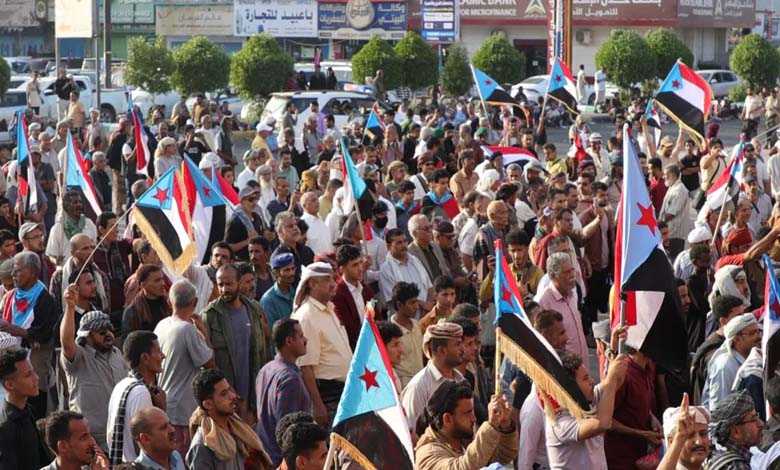
Over the past years, southern Yemen has witnessed an unprecedented escalation of Saudi intervention. Initially launched as a military operation aimed at supporting the internationally recognized Yemeni government and expanding control against the Houthi movement, it quickly evolved into a central factor in determining the South’s future and in redistributing power and influence. Saudi intervention has taken multiple forms, including direct military deployment, support for local militias, and the establishment of economic and political centers of influence in strategic cities. While these tools have strengthened the kingdom’s presence, they have also raised serious concerns about their lasting impact on local sovereignty, particularly in Aden, Hadramawt, and Abyan.
-
Saudi intervention in southern Yemen between security concerns, reshaping influence, and shifts in regional policy
-
Southern Yemen between the logic of the state and the logic of regional tutelage
At the outset of the intervention, Saudi Arabia focused on securing border areas and maritime access points, viewing them as vital lines for safeguarding its national security and protecting navigation in the Gulf of Aden. This focus had immediate repercussions on the daily lives of local populations, as some cities experienced intensified security presence alongside the growing influence of unofficial actors representing direct Saudi interests. Over time, it became evident that the objective extended beyond confronting the Houthis to establishing a complex network of influence capable of shaping any future political settlement.
The Riyadh Agreement, signed in 2019, marked a significant milestone in this trajectory. Saudi Arabia acted as a mediator between the Yemeni government and the Southern Transitional Council in an effort to end internal conflict among allied forces. Nevertheless, implementation of the agreement remained partial, particularly regarding the integration of armed forces and the redistribution of authority in Aden and other southern governorates. These delays exposed the limitations of Riyadh’s ability to exert full control and highlighted the magnitude of the challenges facing its intervention on the ground.
-
From supporting allies to managing chaos: a critical reading of the Saudi role in southern Yemen
-
Saudi intervention in southern Yemen: from conflict management to the creation of a new political reality
Economically, Saudi intervention has had a tangible impact. Financial assistance and limited infrastructure investments failed to generate long-term stability, instead contributing to a degree of economic dependency. While this reinforced Saudi influence, it did little to address persistent crises in public services and unemployment. Local populations perceived a contradiction between the promised security benefits and the actual social and economic costs, a perception reflected in recurring protests and demonstrations, especially in areas under the control of the Southern Transitional Council.
Politically, Saudi intervention has reshaped the southern political landscape. The Southern Transitional Council has emerged as a key actor, operating within a framework of Saudi support while imposing a new reality on the ground and defining the limits of governmental authority. This dynamic has produced a dual situation in which the Yemeni government retains formal presence, whereas real power is exercised by a transitional actor backed from abroad.
-
Behind the scene in southern Yemen: how Saudi Arabia manages influence quietly and reshapes the players
-
Southern Yemen in regional calculations: how Saudi intervention shifted from supporting stability to managing disorder
Recent developments point to a Saudi inclination to scale back direct intervention and focus instead on negotiation and political influence rather than military force. This shift stems from the realization that a purely military approach cannot deliver genuine stability and that the South requires careful management of local balances, including engagement with diverse southern forces and attention to the population’s economic and social needs. At the same time, the South remains a highly sensitive region from a regional perspective, particularly regarding maritime security and influence over the Bab el-Mandeb Strait.
Today, Saudi intervention represents a gradual model of political and military management. It cannot be understood solely through military operations, but rather through an analysis of the economic and political networks supported by the kingdom on the ground, which sustain its influence even in the absence of extensive military deployment. In this sense, the South has become a test case for Saudi Arabia’s ability to manage crises without direct confrontation while maintaining control over key levers of local decision-making.
-
The Million March of Steadfastness: Southern Yemen confronts the return of Brotherhood militias
-
Saudi intervention in southern Yemen: reshaping power between influence and chaos
Socially, a clear divide has emerged between supporters and opponents of Saudi intervention. While some argue that the kingdom’s presence has helped prevent a complete collapse of security and political structures, others contend that it has strengthened certain forces at the expense of others and deepened existing divisions, potentially affecting the South’s future and long-term stability. This social polarization reflects the fragility of the local context and underscores the challenges facing efforts to reunify institutions and restore the state.
Ultimately, Saudi intervention in southern Yemen encompasses multiple dimensions, ranging from security to politics, economics, and society. Its impact is direct and evident, yet it has not achieved full long-term stability. It continues to shape the southern landscape in ways that require any future political settlement to acknowledge the power structures and balances produced by this intervention, both at the level of local authority and among competing actors.
-
Southern Yemen under Saudi pressure: the struggle between control and stability
-
Southern Yemen between regional influence and local control: the struggle between stability and power
-
When security turns into coercion: Southern Yemen between the failure of force and the absence of politics