Electoral Abstention in Libya: Three Factors Fueling Popular Boycott
Amid persistent political division and the stalled democratic transition process, electoral abstention has emerged as one of the most serious challenges facing the Libyan political landscape. This development reflects prolonged public frustration lasting more than a decade and a declining confidence in the effectiveness of peaceful power rotation.
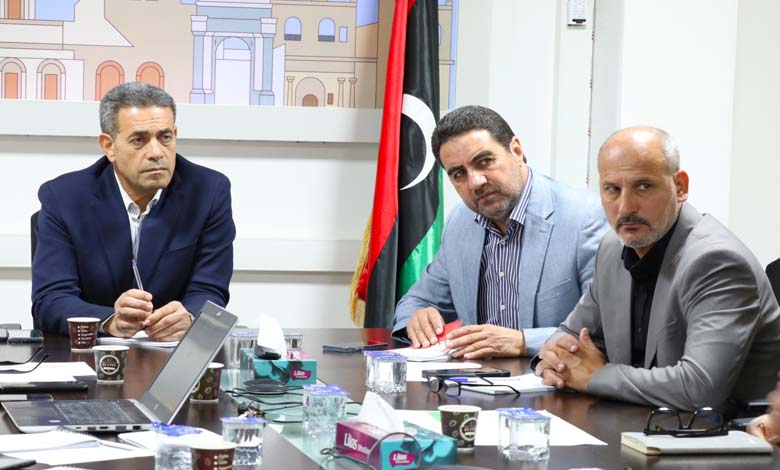
Political, social, cultural, and legislative factors intersect to create an environment discouraging electoral participation. This was emphasized by Imad al-Sayeh, Chairman of the High National Elections Commission (HNEC), during an international scientific conference organized by the Commission on the challenges of voter abstention.
-
Libyan Municipal Election Silence Shattered by Fires at Electoral Commission Offices
-
Libya – Bashagha pledges to protect Electoral Transition
An International Conference
On Wednesday, the first scientific session of the international conference titled “Challenges of Electoral Abstention” was held. The head of the United Nations Electoral Assistance Team, Bantu Letts, presented a research paper on voter participation patterns and comparative international experiences. He reviewed the factors influencing turnout rates, foremost among them trust in institutions, political stability, and the clarity of laws regulating the electoral process.
Professor Farha Awad al-Tarhouni from the Faculty of Economics and Political Science at the University of Benghazi presented a paper entitled “The Impact of Social Factors on Legislative Elections in Libya (2012–2014),” examining the social determinants that shaped Libyan voter behavior during that period.
Professor Suleiman Sassi al-Shahoumi of the Libyan Academy for Graduate Studies concluded the discussions with a research paper on the influence of Libya’s social and cultural heritage on electoral abstention, highlighting the role of prevailing political culture in shaping citizens’ attitudes toward the electoral process.
-
Libya’s electoral body proposes delaying presidential polls for 1 month
-
Libyan candidates talk and militias mobilize as electoral process collapse
Prolonged Frustration
In his address, Imad al-Sayeh stated that frustration resulting from more than ten years of ongoing political conflict without tangible progress toward peaceful power transition constitutes one of the primary causes of voter abstention.
He explained that the failure of political elites to adopt a transparent and clear path for peaceful power transfer has entrenched the belief among a broad segment of Libyans that those in power would not relinquish their positions through ballot boxes, thereby weakening trust in the entire electoral process.
-
Libya prepares for the funeral of Saif al-Islam Gaddafi as Dbeibah responds
-
Libyan Election Commission… Parliament approves the budget amid calls for elections
He also noted that electoral laws issued in previous phases failed to adequately consider the specific political and social environment. Opening candidacy without sufficient standards or safeguards, under the pretext of non-exclusion, allowed unqualified individuals to run in a society that had not experienced elections for more than half a century. This led to outcomes that fell short of expectations and increased doubts about the viability of the democratic path.
He further indicated that the reluctance of certain political and social elites to engage in the transitional phase, due to the unclear political horizon and the intensity of the conflict, narrowed voters’ choices and prompted many to abstain.
-
The Libyan Presidencies Authority: A step toward unity or a new layer of political fragmentation?
-
Warnings of renewed conflict in Libya amid security fragility and sudden violence
The Commission’s Efforts
Conversely, the Chairman reaffirmed the High National Elections Commission’s commitment, since its establishment, to international standards in managing electoral operations, with a focus on credibility and increasing participation rates. He stressed that the integrity of results genuinely reflects citizens’ choices and aspirations for change and improved political and economic conditions.
He stated that turnout in the most recent municipal elections was “acceptable” despite what he described as an unreliable environment. Approximately 800,000 voters registered, while more than 500,000 actually cast their ballots.
-
Sabratah in Flames: Western Libya a Prize for Militias as the Non-State Prevails
-
UN Proposal to Hold Elections in Libya Within 18 Months
The conference comes at a time when calls are growing to address the causes of electoral abstention, as it represents a direct indicator of the level of trust between citizens and political institutions and a decisive factor in the success of any future democratic process in Libya.
Recently, Libya witnessed several local elections viewed as a glimmer of hope for holding the first parliamentary elections since 2014 and the first presidential elections in the country’s history. However, voter turnout in the local electoral process was described as low, with the Commission attributing this to public abstention resulting from frustration caused by political division.
-
After Years of War… Libya Hosts the African Intelligence Summit
-
Less than half… Attacks deprive the majority of Libyan towns of voting
Libya seeks to hold simultaneous presidential and parliamentary elections following the failure to conduct the vote scheduled for December 24, 2021, in accordance with the outcomes of the Berlin Conference.
The United Nations is leading a political process that includes multiple tracks aimed at reaching elections, as well as political reconciliation, governance reform, and economic reform initiatives.
-
International Interface or Political Islam Tool? UN Mission in Libya Accused of Backing the Muslim Brotherhood
-
Al-Mishri Denies New Session to Elect Head of Libya’s High Council of State