Postponement of the vote on a UN draft resolution to secure the Strait of Hormuz
The postponement of the draft resolution submitted by the Kingdom of Bahrain comes as the Islamic Revolutionary Guard Corps rejects strict restrictions on the Strait of Hormuz, increasing the risk of disruption to global fuel supplies and threatening international economic stability.
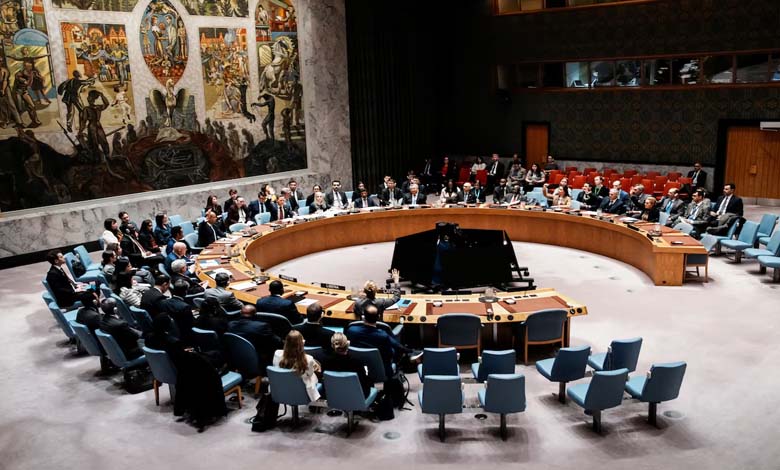
The United Nations Security Council postponed the vote scheduled for Friday on a draft resolution presented by the Kingdom of Bahrain, which would authorize the use of defensive force to ensure freedom of navigation in the Strait of Hormuz, following a series of escalating tensions between Iran and the U.S.–Israeli coalition. The Council, composed of 15 member states, had been expected to discuss the amended text on Friday morning. However, according to diplomatic sources, the agenda was changed on Thursday evening, as the United Nations considers Good Friday an official holiday, even though this date had been known in advance when the vote was scheduled. So far, no new date has been announced for reconsidering the resolution.
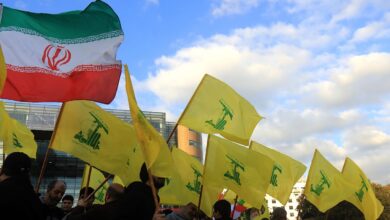
This postponement comes as the Islamic Revolutionary Guard Corps imposes strict restrictions in the Strait of Hormuz in response to recent U.S.–Israeli strikes, heightening the risk of disrupting global fuel supplies and threatening international economic stability. Bahrain’s ambassador to the United Nations, Jamal Al‑Ruwayei, warned that this ongoing situation constitutes a form of “economic strangulation and terrorism” against countries in the region and the world at large. He stressed that the text, which has undergone several amendments and is supported by Washington, is of critical importance at this sensitive time.
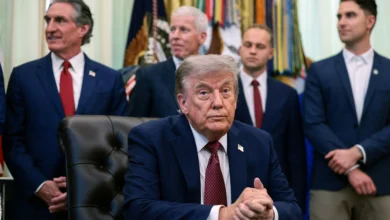
In a controversial move, U.S. President Donald Trump last week called on countries affected by fuel shortages to secure their supplies through the Strait of Hormuz on their own initiative, stating that U.S. forces would not provide direct support in this regard. The sixth and latest version of the draft resolution authorizes member states, acting individually or through “voluntary multinational maritime partnerships,” to use all necessary and proportionate defensive means to ensure the safety of commercial vessels transiting the strait and adjacent waters, in order to prevent any attempt to close or disrupt international navigation. These measures are expected to remain in place for at least six months. However, the draft faces opposition and a lack of consensus among some members.
China expressed concern that allowing member states to use all defensive means could lead to further escalation, while Russia criticized the text as “biased.” For his part, French President Emmanuel Macron described any military operation to reopen the strait as “unrealistic,” noting that it would take considerable time and expose navigation in the region to serious risks. France’s ambassador to the United Nations, Jérôme Bonnafont, stated that the Council’s role is to define a swift defensive response, following the March vote condemning Iran’s closure of the strait.
In the same context, the Secretary-General of the Arab League, Ahmed Aboul Gheit, expressed the League’s support for Bahrain’s efforts to pass the resolution. Meanwhile, the United Kingdom hosted a meeting of more than 40 countries to discuss ways to reopen the strait and ensure safe passage for commercial vessels, announcing its support for Bahrain’s initiative.
Experts say the draft faces major obstacles given the possibility that Russia and China may use their veto power. Daniel Forti of the International Crisis Group believes that passing the resolution will be difficult, as these countries may refuse to endorse a proposal that treats the stability of the strait solely as a security issue without achieving a lasting political settlement to end hostilities.
One fifth of the world’s oil and liquefied natural gas exports pass through the Strait of Hormuz, meaning that any disruption directly affects global markets and leads to higher prices for energy and essential goods such as fertilizers. Authorization by the Security Council to use force remains rare: in the past, a 1990 vote allowed the U.S.-led coalition to intervene in Iraq, while a 2011 vote paved the way for NATO intervention in Libya.