A new international siege: how the Muslim Brotherhood is confronting a global wave of scrutiny and tightened funding
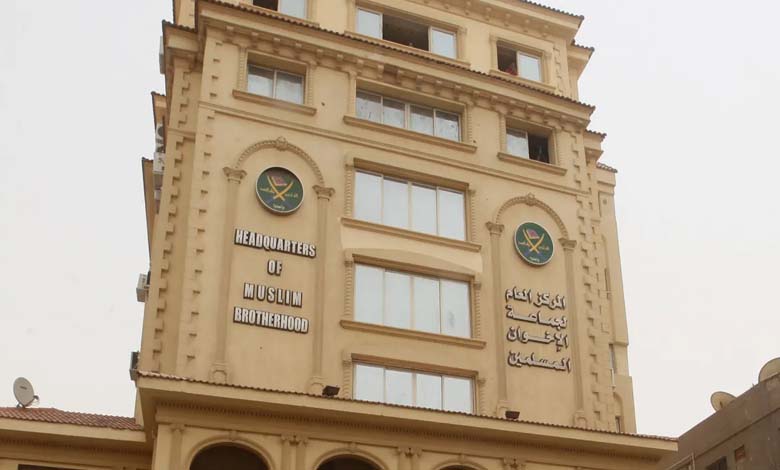
The Muslim Brotherhood is undergoing a phase of international and legal escalation regarded as one of the most intense confrontations it has faced in decades. According to the newspaper Al-Bawaba News, this development reflects the consolidation of diplomatic and legal pressure fronts at both international and regional levels against the organization’s global network, including efforts to designate certain branches and intensify financial and security investigations in multiple countries.
-
What is the Relationship between the Founding of the Muslim Brotherhood in Egypt, Iraq, Syria, and the Greater Israel Project?
-
“Year of Lies and Blood”: Major Terrorist Crimes Committed by the Muslim Brotherhood in Egypt
These pressures have taken on a multidimensional character. Diplomatically, several Gulf capitals are leading initiatives warning against the movement’s activities, arguing that it seeks to exploit regional tensions to reposition itself and expand its influence. At the same time, the U.S. administration is reportedly pursuing a firm legal approach aimed at designating branches of the organization as terrorist entities and implementing binding measures for states concerning their activities.
In this context, the report notes that European investigations into funding sources and the activities of institutions linked to the movement have evolved beyond routine inspections into a broader financial and legal audit campaign. This campaign targets associations and organizations alleged to have functioned as support entities across Europe, representing a new step in undermining the network’s traditional financing mechanisms.
-
Health of Ghannouchi deteriorates after his arrest… New Islamist game, similar to the Brotherhood in Egypt
-
A new slap to the Brotherhood in Egypt; The failure of calls November 11 marks the end of the terrorist organization
The report further links these international pressures to internal divisions within the movement in certain countries, such as Lebanon and France, where disputes have reportedly emerged over political alliances and strategic priorities. According to this assessment, such internal tensions are weakening the organization’s traditional capacity for influence in societies where it once held significant sway.
Additionally, the report indicates that certain American research institutions have formally urged the U.S. administration to designate the group in Sudan as a terrorist entity, citing diminishing confidence in its ability to operate politically without engaging in what is perceived as security or military-related activities. This initiative aligns with comparable measures taken in the United States against other components of the organization’s network.
-
Rumors spread by Egypt’s Muslim Brotherhood ahead of January 25: a repeated tactic exposed by public awareness
-
72 years since the dissolution of the Muslim Brotherhood: the story behind Egypt’s Revolutionary Command Council decision
Moreover, these campaigns include stricter oversight of funding and organizations associated with the movement in Europe. Authorities in France, Germany, and Austria are seeking to verify the lawful origins of funds for associations that publicly present themselves as cultural or charitable bodies but are regarded by security services as part of a broader network operating on behalf of the international organization.
This international pressure emerges amid assessments by some analysts that the movement is experiencing institutional confusion and structural weakness, as its influence declines in certain societies under the weight of coordinated political and legal pressures. This situation places the organization in an unprecedented confrontation with global counterterrorism standards and international financial compliance frameworks.
-
Echo-less rumors: Egyptians’ awareness foils the Muslim Brotherhood’s plan ahead of the January 25 anniversary
-
Muslim Brotherhood rumors in Egypt: public awareness thwarts the blank shots
These developments signal a shift in the international approach toward the Muslim Brotherhood, moving the debate beyond local political rejection into a broader legal and legislative arena. This transition requires concerned states to reassess their policies regarding the organization and its activities, both within their borders and beyond.
-
Gaza Agreement Exposes the Muslim Brotherhood: Egypt as a Scapegoat to Divert from Internal Rift
-
The Muslim Brotherhood Has Betrayed the Egyptian Army Since the 1948 War… A Journalist Presents the Evidence