A popular game to train British soldiers: Ukraine’s lessons at the heart of the experiment
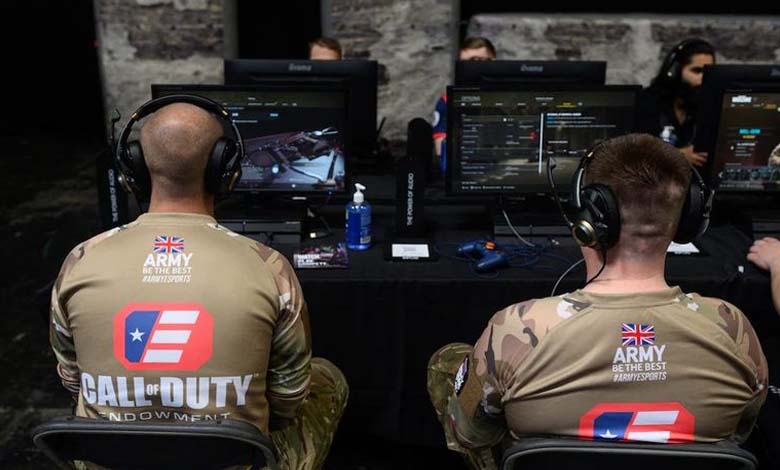
In a move blending virtual reality with traditional warfare, the British Army has decided to turn video games from a leisure activity into a genuine training platform for soldiers.
Drawing on the widespread popularity of the Call of Duty series to develop decision-making skills under pressure, enhance drone-handling abilities and manage multiple threats simultaneously, the British Army announced that soldiers will use computer games such as Call of Duty to strengthen their “combat readiness”.
-
Harry in Ukraine… a message of support for wounded soldiers
-
Israel in the Crosshairs of British Justice: The 800 Memo Corners Tel Aviv
How does it work?
The UK Ministry of Defence announced on Friday the launch of the International Defence Electronic Games (IDEG), a video game tournament that will bring together the best British “cyber warriors of the future” with military teams from 40 other countries.
The initiative is one of the lessons learned from the war in Ukraine, according to General Sir Tom Cubbage-Sims, deputy commander of cyber and specialist operations. He explained that military operations in Kyiv, where remotely operated drones have become central on the battlefield, demonstrated the importance of having soldiers skilled in video gaming.
-
Operation “Kinova” reveals details of a British “conspiracy” in Ireland
-
Report Reveals Rise of Muslim Brotherhood Influence in British Prisons… Details

General Sir Tom said: “Lessons from conflicts, including Ukraine, show the practical value of gaming technology for training drone operators and enhancing cyber capabilities.”
He added: “IDEG will strengthen our combat readiness while building vital partnerships with allied nations committed to technological innovation in defence.”
According to the Ministry of Defence, personnel develop “critical field skills through competitive gaming, such as tracking multiple threats simultaneously, directing troops on the ground, operating under intense pressure, and adjusting tactics based on live intelligence.”
-
British Envoy in Moscow to Try to Ease Ukraine Crisis
-
The screen is more dangerous than the weapon… terrorist propaganda from training camps to artificial intelligence
Games like Call of Duty, which simulate intense military combat missions, are extremely popular and familiar to most soldiers. However, Phil Ingram, a former British military intelligence officer, warned that video games should not replace real training.
He stated: “They should never replace real-world training but work alongside it. Whether it is Call of Duty or tailored training software, they have their place, but they will not replace other forms of preparation.”
The United Kingdom officially recognised esports as a military sport in 2024.
In the civilian world, similar tournaments attract huge global audiences, with competitions streamed live and top players earning millions of pounds annually.
-
Collapse of Armored Forces and Recruitment Crisis: Ukraine Faces Its Gravest Challenge Since the War Began
-
Europe’s drone wall… Germany exposes the gaps
Attracting soldiers
Military leaders are increasingly seeking to recruit gamers as part of efforts to counter declining enlistment rates.
Last year, Defence Secretary John Healey revealed plans to fast-track the recruitment of cyber-skilled individuals, as the UK faces around 90,000 cyberattacks
each year. He said: “If you’re a skilled gamer or programmer, your country needs you.”
Soldiers are already using virtual-reality games for training, as well as console-style controllers to operate some military technologies.
-
National Guard on the Verge of Chicago: Sixty Days in a War Zone
-
Rare Acknowledgment: Israeli Court Orders Government to Stop Starving Palestinian Prisoners
Alongside the famous Call of Duty series, IDEG participants will also compete in VelociDrone, a drone flight simulation game.
The game replicates scenarios common on Ukrainian battlefields, where operators use small drones to strike troops and vehicles, and it is used to train British drone operators.
Ukrainian forces have tested similar technology, creating simulation games that improved operators’ targeting accuracy and reaction speed, with deadly effect against Russian forces.
-
Israeli Foreign Minister from Washington: There will be no Palestinian state
-
Night-time drone warfare: Moscow shoots down 57 Ukrainian aircraft
The war in Ukraine
Veterans Affairs Minister Louise Sandhuir-Jones said that the “lessons learned from Ukraine” show how games can “develop the rapid decision-making skills essential for modern warfare.”
She added: “The International Defence Electronic Games place Britain at the forefront of this transformation, ensuring that our armed forces are prepared for future conflicts.”
Chester King, chairman of the British Esports Association, said that the launch of IDEG represents “a historic moment for esports in Britain.”
Applications for the competition will open in January, with online qualifying rounds before the live final at the National Gaming and Esports Arena in Sunderland in October 2026.
-
European Forces Under U.S. Command?
-
Night Drone War: Russia Intercepts 60 Ukrainian UAVs
-
Largest Attack in Three Years: 337 Ukrainian Drones Fall into the Russian Trap
-
A New Russian Tactic to Capture Ukrainian Drones