A secret Muslim Brotherhood meeting coinciding with events in Yemen
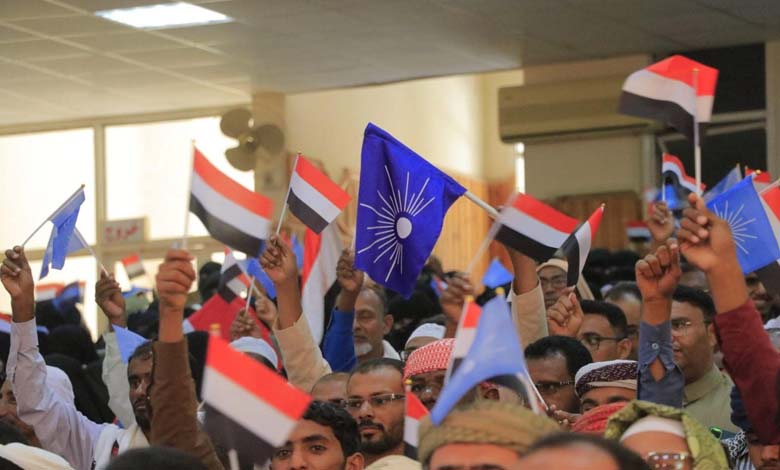
After losing political momentum and seeing its organizational structure fragment, the Muslim Brotherhood, designated as a terrorist group in several countries, is seeking to re-establish its presence through conflict environments.
This trajectory coincides with fast-moving developments across multiple arenas, particularly in Yemen, where movements on the ground have emerged alongside a broad meeting of leaders and networks linked to the group abroad, refocusing attention on attempts to coordinate roles regionally.
In this regard, informed sources said that leaders of the Muslim Brotherhood held a secret meeting last Friday in Istanbul.
The sources stated that the meeting included leaders, branches, and networks affiliated with the Brotherhood from several Arab countries, in addition to organizational structures based in Europe — including the London front led by Salah Abdelhaq — despite the latter’s denial that such a gathering took place.
Notably, according to the same sources, representatives of the Istanbul front (led by Mahmoud Hussein) were present, even though their participation in meetings of the international organization had been suspended — a step indicating the group’s desire to temporarily set aside disputes in order to capitalize on the developments in Yemen.
The Brotherhood and the exploitation of events in Hadramout
Mohammed Saleh Batees, acting head of the Executive Authority of the Southern Transitional Council in Hadramout warned that the Brotherhood and extremist organizations such as the Houthis and Al-Qaeda are the main beneficiaries of the recent decisions issued by Presidential Leadership Council chairman Rashad Al-Alimi.
Batees confirmed that Al-Alimi’s decisions revive the Brotherhood’s hopes of returning.
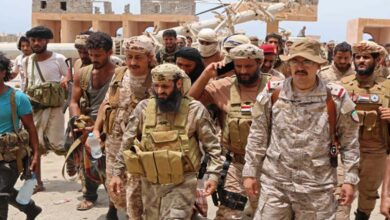
In recent days, forces affiliated with the Muslim Brotherhood in Yemen have committed serious violations, resulting in civilian casualties, strikes on vital facilities, and the imposition of land blockades and airport closures — including Seiyun and Aden — along with strict restrictions on the movement of citizens and travelers.
According to a statement by the Southern Transitional Council, these practices “amount to crimes against humanity and represent a blatant breach of international charters and agreements.”