A year after it sank… a report reveals the nuclear secret of a Russian ship
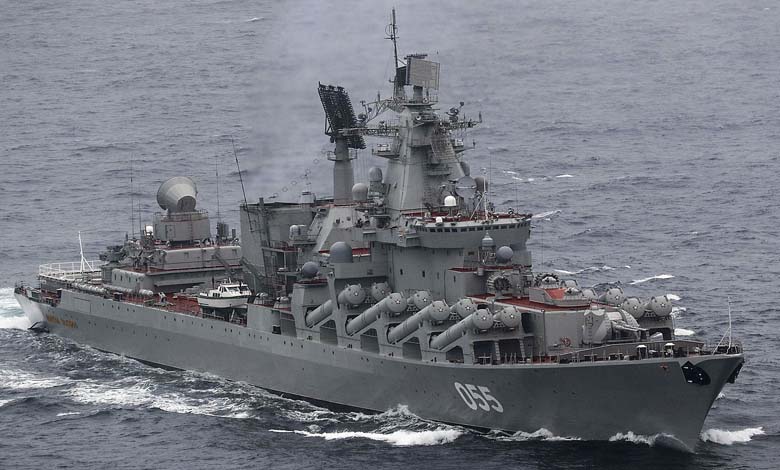
Exactly one year ago, a Russian cargo ship sank in the Mediterranean under mysterious circumstances — but a new report now sheds light on the incident.
The Spanish newspaper “La Verdad” revealed new details about the sinking of the Russian cargo ship “Ursa Major,” considered part of what is known as the “shadow fleet” used by Moscow to circumvent international sanctions, in December 2024.
According to the paper, investigators suspect the vessel was carrying a shipment bound for North Korea to support efforts to modernize its navy.
-
Russian Ship Without Radar off Danish Coast: Technical Failure or Military Tactic?
-
An unbreakable friendship and heroic soldiers… Putin’s New Year message to Kim
The United States, South Korea, and several other governments had long suspected that Pyongyang was receiving Russian technical expertise in exchange for ammunition.
Spanish maritime authorities responded to a distress call from the “Ursa Major” on December 23, 2024, finding the ship listing about 70 miles south of Cartagena, Spain, according to the U.S. magazine “Newsweek.”
Later, it was found that the vessel had suffered three explosions in the engine room. Oboronlogistica, the Russian company operating the ship, attributed the incident to a “terrorist attack.”
Rescue teams evacuated 14 crew members, while two others went missing before the ship sank shortly afterward.
-
Funding Kyiv with Russian assets… Europe seeks a risk balance as Moscow issues warnings
-
Massive Russian attack on Kyiv… as Ukrainian drones strike oil facilities
The ship’s captain raised suspicions when he told investigators that the cargo consisted of more than 100 empty containers, spare parts for a Russian icebreaker, and two massive cranes visible on deck.
Reconnaissance aircraft also detected two large objects covered with blue tarps on the deck, each estimated to weigh around 70 tons.
When pressed by investigators, the captain claimed these mysterious objects were merely “sewer hatch covers.”
However, according to reports reviewed by “La Verdad,” Spanish investigators later said they believe the objects were casings for VM-4SG nuclear submarine reactors — a Soviet-era design still in use on six Russian Delta-4 submarines.
-
The Russian Harmony system: A secret ploy to shield nuclear submarines
-
During military drills: the Tsirkon missile appears on the Russian stage
These reactors feature thick steel shielding nearly three feet wide, designed to protect crews from radiation — which explains their exceptional weight, according to “The Maritime Executive.”
The Spanish paper’s report indicates that the “Ursa Major” appeared to be traveling from Saint Petersburg to the eastern Russian port of Vladivostok — a highly circuitous route, even if the goal were only to deliver icebreaker parts and empty containers.
The route seems more plausible if the final destination was Rason in North Korea, located only about 200 miles from Vladivostok. And according to “La Verdad,” the addition of cranes to the ship’s cargo may have been intended to help unload heavy equipment at underdeveloped North Korean facilities.
-
Is War Approaching? Venezuela Deploys Warships and Drones in Response to U.S. Moves
-
Ukraine’s Patriot and Russian Sanctions: A Decisive U.S. Move or a Trial of Frontlines?
-
Weapon Tests Precede Russian Official’s Visit… Kim’s Messages to Allies and Enemies
-
A New Russian Tactic to Capture Ukrainian Drones
-
The Russian Base in Port Sudan: A Geopolitical Escalation Threatening Western Influence in Africa