Al-Burhan and the Sufi Orders: A Strategy to Consolidate Power Amid Fragile Legitimacy
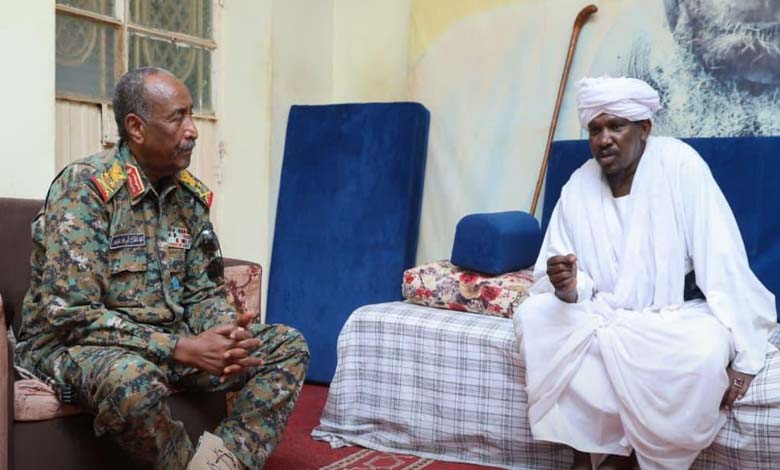
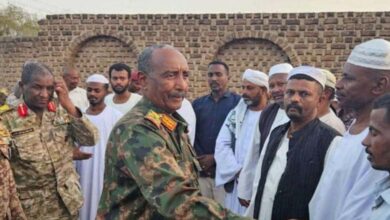
Amid ongoing political tensions in Sudan, signs have intensified of General Abdel Fattah al-Burhan’s outreach to leaders of Sufi orders, reflecting an attempt to rebuild a political and social support base. These moves have not occurred in a vacuum; rather, they emerge as a natural consequence of the weakening of traditional civilian alliances and the growing domestic and international pressures on the ruling authority. Facing complex challenges, including the erosion of his legitimacy and the fragility of governing institutions, al-Burhan appears to be constructing an alternative support network grounded in the social influence and symbolic authority of Sufi orders.
-
Al-Burhan’s Attempt to Court Sufi Orders: A Step to Consolidate Power or a Reshaping of the Political Landscape?
-
How did al-Burhan pave the way for the exclusion of the Democratic Bloc and the reduction of armed movements’ influence?
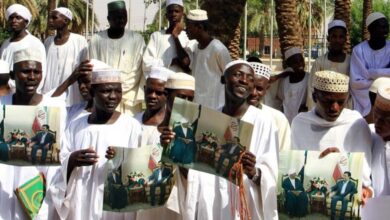
In Sudan, Sufi orders possess deep societal roots and play roles that extend well beyond the spiritual and religious sphere into social and political domains. They maintain a strong presence in cities, villages, and rural areas, where they serve as influential actors in shaping public opinion and guiding community decisions. Al-Burhan’s effort to engage these religious leaders represents a strategic attempt to convert this social influence into political leverage capable of sustaining his hold on power, particularly in the absence of an elected parliament and amid the collapse of broader national consensus.
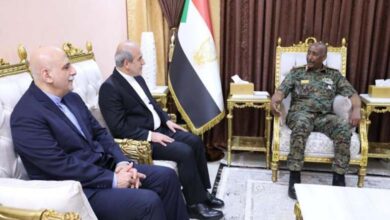
Available information suggests that al-Burhan’s meetings with Sufi leaders included assurances of representation within the forthcoming government and legislative council in exchange for explicit political support. This approach demonstrates a nuanced understanding of power dynamics in Sudan, where authority is not secured solely through military strength but also through intricate networks of traditional and social loyalties. It further reflects an effort to formalize social backing through structured political arrangements, transforming spiritual authority into tangible influence within state institutions.
-
Behind the meeting between al-Burhan and the Democratic Bloc: how the exclusion of armed movements and the bloc’s removal from power was decided
-
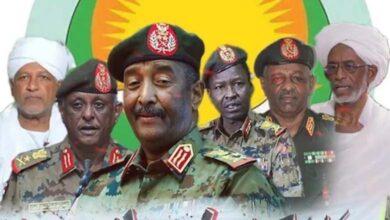
Al-Burhan and the dismantling of old alliances: toward a centralized authority without a democratic bloc or armed movements
From a political analysis perspective, these initiatives can be viewed as a response to the vacuum created by the weakness of traditional political parties and the persistent fragmentation among civilian forces. The engagement with Sufi orders thus appears as a means of securing a popular cover that may mitigate pressure on the military-led authority. However, such an alliance carries significant risks, as it may heighten tensions with civilian actors who perceive it as an attempt to sideline democratic transition demands and replace popular legitimacy with traditional loyalties.
Moreover, this strategy underscores al-Burhan’s broader attempt to reshape the political landscape by leveraging the historical and social capital of Sufi networks. Yet reliance on this model of alliance-building does not guarantee long-term stability, given that traditional loyalties and interests are subject to change in response to shifting political and economic conditions. The durability of this approach will depend on al-Burhan’s capacity to manage the delicate balance among the military establishment, religious orders, and civilian forces.
-
American magazine: No peace while the Muslim Brotherhood remains at the heart of al-Burhan’s regime
-
Heglig shifts the balance of the war: Tasis forces seize the oil lifeline and Washington reorganizes its pressure cards against al-Burhan
In conclusion, these developments directly reflect the challenges confronting Sudan’s current leadership, particularly the urgent need to secure solid popular backing amid fragile democratic institutions and the absence of an inclusive national consensus. At the same time, this emerging alignment between military authority and Sufi orders risks reviving an older pattern of governance rooted more in traditional loyalties than in institutional frameworks and policy agendas, raising critical questions about the future trajectory of Sudan’s political landscape and the prospects for a civilian state.
-
Heglig under Tasis Forces’ Grip: Humiliating Economic Collapse for Port Sudan Authority and an American Turn Disrupting Al-Burhan’s Calculations
-
Al-Burhan… When the General Fails to Build the State and Insists on Destroying It
-
Al-Burhan between Islamists and the State: A Marriage of Necessity Turning into a Political Burden
-
How Al-Burhan Lost the Trust of the Islamists
-
Al-Burhan and the Islamic Movement: a fragile alliance built on ambiguity and distrust
-
Al-Burhan Between Failed Alliances and External Pressures: A Nation on the Brink of Collapse