Al-Qaeda and ISIS in Africa’s Sahel: the triangle of death expands
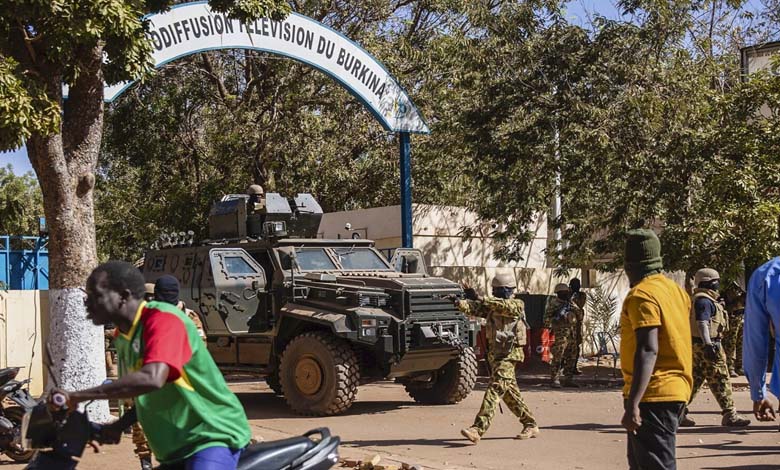
A new front of terrorism is advancing toward the coastal countries of West Africa, a region standing on shifting sands and facing the risk of a widening threat in 2026.
This is one of the key findings of a study conducted by the non-governmental organization ACLED, which monitors conflict-related fatalities worldwide and identifies crises to watch in the coming year.
The organization notes the consolidation of a “new front” in the border areas of Benin, Niger and Nigeria, which have become strategically significant for terrorist groups operating both in the Sahel and in Nigeria.
According to the U.S.-based organization, armed groups have intensified their operations in the central Sahel. In the past year alone, more than 10,000 deaths were recorded in Burkina Faso, Mali and Niger.
At the same time, the Group for the Support of Islam and Muslims, affiliated with al-Qaeda, and the Islamic State in the Sahel have expanded their activities to the border regions of northern Benin, Niger and Nigeria, where they have strengthened their presence.
In this context, northern Benin, bordering Burkina Faso, Niger and Nigeria, experienced the deadliest year in its history, with an increase of nearly 70 percent in fatalities compared to the first eleven months of 2024.
This security deterioration was starkly illustrated by the attack carried out last April in the W National Park in the north of the country, which resulted in the deaths of more than 50 soldiers.
In that area, terrorist groups have intensified cross-border operations originating from eastern Burkina Faso.
The “triangle of death”
ACLED also pointed out that the tri-border area, known as the “triangle of death” and considered the “epicenter of the conflict,” now shows a confirmed presence of terrorist groups in western Nigeria, indicating the spread of extremism beyond its traditional boundaries.
The term “triangle of death” refers to the region where the borders of Mali, Burkina Faso and Niger converge. Terrorist organizations use it as a stronghold or rear base from which they launch attacks against the three countries.
The growing convergence between terrorist groups in the Sahel and those in Nigeria marks a critical turning point, as previously separate theaters of operation are gradually merging to form a vast zone of violence stretching from Mali to western Nigeria. As a result, the tri-border area has become the central hotspot of the conflict.
Escalating attacks
Despite casualty levels comparable to those recorded in 2024, the Armed Conflict Location and Event Data Project (ACLED) reports an intensification of operational tactics.
In Mali, a series of attacks on fuel convoys that began last September led to an economic blockade, triggering a surge in violence in the regions of Kayes, Sikasso and Ségou, reaching unprecedented levels since statistical monitoring began in 1997.
Meanwhile, the Group for the Support of Islam and Muslims and the Islamic State in the Sahel have intensified kidnapping campaigns, particularly targeting foreigners.
In 2025, ACLED recorded 22 kidnappings in Mali and 8 in Niger.