Austria dismantles Hezbollah’s propaganda strategy: its activities in Europe exposed
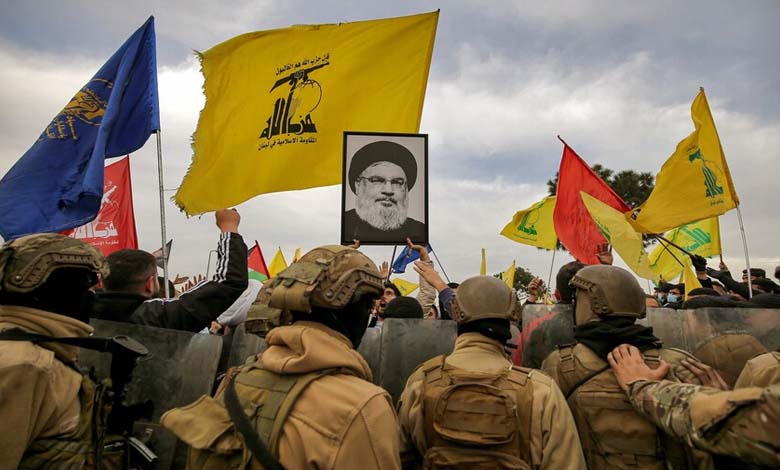
An in-depth analysis of media outlets shows how Hezbollah militias spread their extremist messages across Europe from Lebanon.
Austria’s government-run Documentation Center for Political Islam examined how Hezbollah distributes its content through its own media platforms — such as Al-Manar and Al-Ahd — in German-speaking regions.
Hezbollah operates through its networks and structures in multiple fields around the world.
The European Union classifies the militia’s military wing as a terrorist organization.
In Austria, displaying or publishing symbols of Hezbollah’s military wing publicly has been banned since 2019, and in 2021 the ban was expanded to cover all symbols of the organization.
-
Hezbollah disarmament: Paris meeting to discuss practical means of monitoring
-
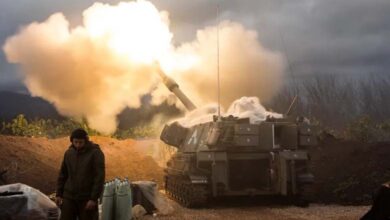
Israel strikes Hezbollah positions in Lebanon
Al-Manar channel
The study by the Documentation Center for Political Islam, focuses on Al-Manar, the online propaganda television channel considered the official mouthpiece of Hezbollah.
Through its multilingual website — in Arabic, English, French, and Spanish — the channel targets a global audience, giving it wide reach.
The European Union banned the channel from its satellites in 2005, and several EU states imposed additional restrictions.
Despite these legal measures, the channel has remained available online via livestream.
-
Thirty years of pursuing him inside Hezbollah… How did Israel reach al-Tabtabai?
-
One year after the end of the war… 669 Israeli strikes in Lebanon and 360 Hezbollah fighters killed
In December 2024, Germany’s Commission for the Protection of Minors in the Media instructed all telecommunications companies to block Al-Manar’s websites in all languages. However, the channel is still accessible in Austria and Switzerland.
In Austria, a well-known activist who openly supported Hezbollah and Hamas recommended following Al-Manar and Al-Mayadeen — the latter being another media outlet within the Lebanese militia’s sphere of influence, according to the study.
The Austrian association “Dar Al-Janoub” also spread Hezbollah messages on social media, including those of former Hezbollah Secretary-General Hassan Nasrallah.
According to the Documentation Center for Political Islam, the use of such propaganda content by non-Islamic actors — often from far-left circles — shows how Hezbollah’s messaging is aimed at a broader audience.
-
Winter fog hides what is most dangerous: Israeli drill amid Hezbollah retaliation fears
-
Washington bets on drying up Hezbollah’s funding sources to force it to lay down its arms
Connections and links
The study also points to connections between Hezbollah and international organizations operating within the context of the Middle East conflict, such as the “Hind Rajab” foundation, based in Belgium.
The founder of this organization, Lebanese political activist Abou Jahjah, has repeatedly clashed with European authorities.
In 2024, he was barred from entering the United Kingdom due to suspected links to an extremist group.
His posts on social media — including those published after the death of Hassan Nasrallah in 2024 — as well as his statements about Hezbollah, indicate ideological alignment with the group.
-
Hezbollah’s knockout strike strategy falters amid Israeli divisions
-
From drones to smart munitions: how is Hezbollah rearming itself?
The Hind Rajab foundation was established in 2024 and became known in Austria in early 2025.
Al-Manar’s media coverage is closely intertwined with the activities of the Hind Rajab foundation in Europe, with the channel announcing these events almost exclusively, according to the study.
After suffering major setbacks in the Middle East, Hezbollah is increasingly turning its attention toward Europe, aiming to reach sympathizers beyond the Arab world through its narratives, the study notes.
Media analyses suggest that people close to Hezbollah within Europe’s Arabic-speaking communities — along with support circles from other ideological movements — will continue to play a central role in the organization’s future activities.
-
Hezbollah responds to the November deadline and signals its commitment to keeping its weapons
-
From Disarmament to Rearmament… Hezbollah Moves as Israel Loses Patience