Balancing Power in the Horn of Africa: A Strategic Reading of Tigray’s Presence in Sudan
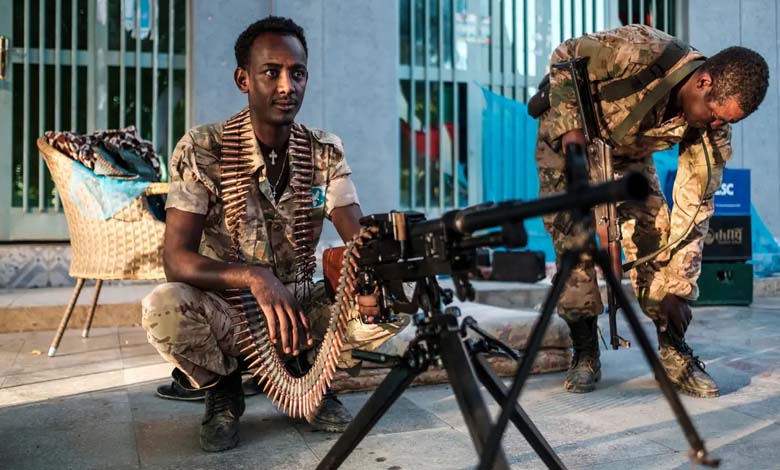
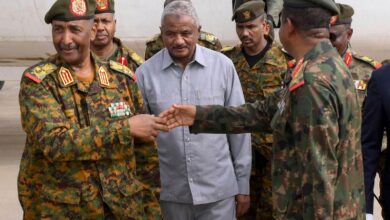
The presence of the President of the Tigray People’s Liberation Front (TPLF) in Sudan represents a pivotal point for understanding recent shifts in the regional landscape of the Horn of Africa. This visit is not merely a transient political event; it reflects a comprehensive regional strategy led by Sudan and Eritrea, supported by other regional states, aimed at leveraging Ethiopia’s internal conflicts to achieve specific geopolitical objectives.
-
Forced Return – A major crisis facing Sudanese refugees and those fleeing from war in Eritrea
-
Balancing Power in the Horn of Africa: A Strategic Reading of Tigray’s Presence in Sudan
From a strategic perspective, this alliance is seen as an attempt to create a leverage point against the Ethiopian government, relying on the TPLF’s capacity to conduct limited operations within Ethiopian territory. These operations target not only military sites but also critical infrastructure, such as transport routes and economic centers, with the aim of destabilizing the region and creating a continuous state of tension that affects the central government’s ability to manage internal conflicts effectively.
Sudan, through this alliance, pursues several concurrent objectives. First, it aims to strengthen its regional position in the Horn of Africa by demonstrating its ability to influence internal conflicts in neighboring countries. Second, it seeks to protect its borders and stabilize potential conflict zones by supporting Ethiopian factions that can serve as a natural barrier against direct threats. Third, it seeks to consolidate its role as an influential regional actor within emerging alliances that are reshaping the balance of power in the region.
-
Khartoum and Asmara: The Shadow Alliance Against Ethiopia
-
Regional Tensions Escalate: The Tigray People’s Liberation Front and the Khartoum-Asmara Alliance
Eritrea plays a more complex role, relying on its extensive experience in previous Ethiopian conflicts to provide intelligence and field support to the TPLF. This support includes gathering information on Ethiopian army movements, identifying infrastructure vulnerabilities, and coordinating limited operations with Sudanese partners. Through this coordination, the alliance demonstrates a significant capacity to deliver precise strategic strikes without becoming entangled in an open confrontation that could trigger a broad escalation.
Analysts note that this alliance exemplifies how local conflicts can be transformed into instruments of regional policy. What was previously regarded as an internal ethnic conflict has now become a testing ground for complex regional alliances, where political, military, and economic interests intersect. This shift complicates the forecasting of the Ethiopian crisis and poses new challenges for the international community in conflict management and maintaining regional security.
-
The presence of Tigray’s leadership in Sudan: Interpreting the implications of potential regional alliances
-
A Regional Alliance Against Ethiopia? Interpreting the Implications of Tigray Movements in Sudan
The humanitarian dimensions of these movements are as important as the military and political aspects. Any potential escalation in conflict zones could lead to mass displacement, exacerbate food and water crises, and increase pressure on border communities. These complex humanitarian conditions make international intervention more challenging, particularly given limited resources and the capacity of neighboring countries to host large numbers of displaced persons.
Militarily, the alliance relies on a combination of strength and flexibility. Sudan provides secure passage points, logistical support, and communication line security, while Eritrea contributes intelligence expertise and field coordination. This arrangement allows the TPLF to carry out targeted operations without direct large-scale confrontation with the Ethiopian army, reflecting an advanced level of strategic planning.
-
Escalation of Forced Deportation Campaigns Against Sudanese Refugees in Egypt Amid Humanitarian Concerns
-
Sudan between the logic of the state and the logic of arms: how military politics becomes a permanent threat to society
The Ethiopian government faces a dual challenge: managing internal conflicts while monitoring regional movements indirectly targeting it. Strengthening border military presence, developing surveillance networks, and cooperating with regional and international partners are essential measures to counter this alliance, but they do not remove the complexities arising from ongoing ethnic conflicts within the country.
Analytically, the Sudan-Eritrea-TPLF alliance is part of broader dynamics reshaping power balances in the Horn of Africa. It illustrates how relatively limited-influence states can affect the conflicts of major powers by supporting local factions, exerting political pressure, and controlling strategic resources and border areas.
-
Forced deportation campaigns against Sudanese refugees and violations of international human rights law
-
Sudan’s Choked Cry: Who Will Stop the Repression Machine Before the Last Voice Disappears?
Ethiopia’s greatest challenge is maintaining internal stability in the face of these movements. Any misstep in handling this alliance could trigger unwanted escalation, exacerbating economic, political, and humanitarian crises. Simultaneously, the international community must develop effective mechanisms to monitor new regional alliances and provide political solutions that balance the interests of various parties without undermining regional stability.
Ultimately, the presence of the TPLF president in Sudan is more than a symbolic gesture. It signals profound transformations in the nature of regional conflicts and represents a calculated strategy to exert specific pressure on Ethiopia through combined local and regional instruments. The near future will be crucial in determining the success of this alliance in achieving its objectives or its potential to drive the region toward heightened tension and multi-level conflicts.
-
With a Major Arms Deal for the Sudanese Army.. Brotherhood Leader Salah Gosh Returns from the Shadows
-
Sudan Squanders Hamdok Government’s Gains… U.S. Ban Reinforces Terrorism Stigma