Collapse of the Power Equation in Sudan: Heglig in Tasis Hands and Trump’s Pressure Expose Islamists’ Deadlock within the Army
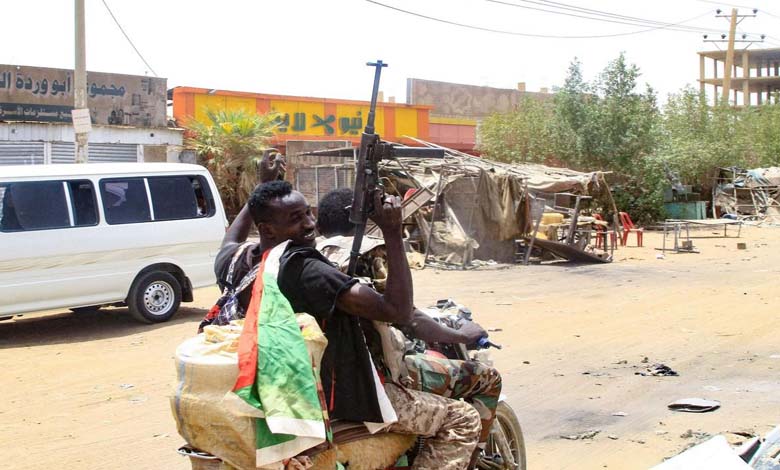
The Sudanese landscape has undergone a radical shift following the takeover of the Heglig oil field by Tasis forces, a critical pillar of both Sudanese and South Sudanese economies. This control has exposed the military vulnerability of the Port Sudan authority and its inability to defend its main sources of revenue. The withdrawal of the army and personnel from the field without resistance reflects concerns over potential damage to infrastructure, whose destruction could trigger a regional crisis. It also marks a qualitative advancement for Tasis forces, which now operate as a power capable of controlling resources, rather than merely conducting tactical attacks.
The statement released on Telegram by Tasis forces emphasizes their commitment to protect the facility, sending a message as much to external observers as to domestic audiences. A force controlling a sensitive installation while pledging to secure supplies signals its ability to operate according to state standards, in contrast to an authority that has lost control of its most strategic resource. This development gives Tasis forces new influence in the economic and political spheres, while the Port Sudan authority faces an unprecedented decline in the balance of power.
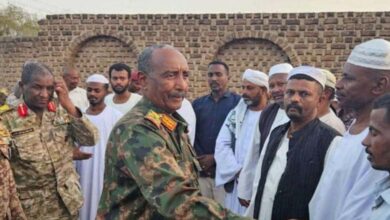
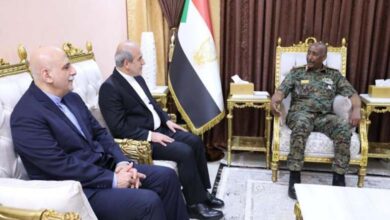
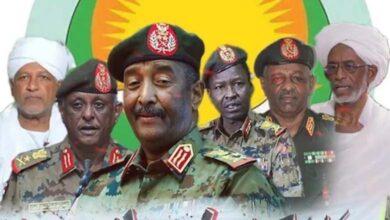
At the same time, American reports have significantly altered Washington’s approach to the Sudanese dossier. Secretary of State Marco Rubio’s announcement that Trump is personally overseeing the file indicates that the U.S. administration sees Sudan as a strategic gateway in the Red Sea influence struggle, a theater of intense competition between the UAE and Russia on one side, and Western powers on the other. The divergence between Washington and Al-Burhan’s army has become clear, particularly regarding Islamists within the military and the Port Sudan authority’s refusal to engage in a table that includes the UAE, a stance Washington considers an obstacle to any comprehensive solution.
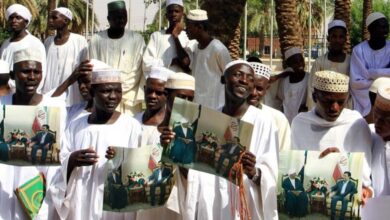
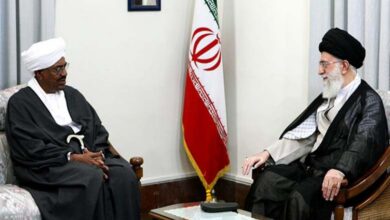
The U.S. move to designate the Muslim Brotherhood as a terrorist organization turns any potential army-Islamist connection into a political liability. With multiple indicators of links between networks within the army and Islamist entities, Washington pressures to remove these elements. This policy aligns with the UAE’s position, further isolating Al-Burhan, who finds himself encircled internationally as Tasis forces advance on the ground.
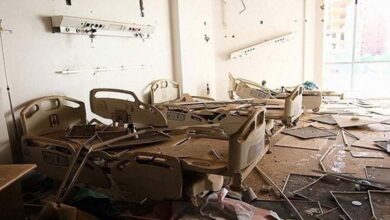
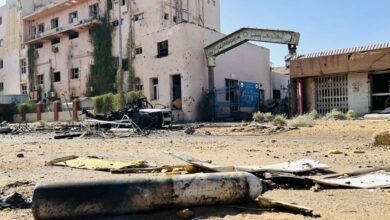
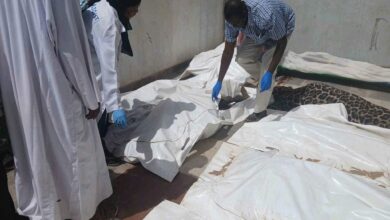
The BBC report on airstrikes delivers an additional shock, reinforcing this pressure. The deaths of at least 1,700 civilians due to the use of unguided bombs in populated areas reveal a dangerous pattern of indiscriminate force. This figure is likely to rise as investigations continue, placing the army under international scrutiny for serious violations that could trigger legal accountability. With these files accumulating, the army is on the defensive across all fronts — military, political, and human rights — while Tasis forces seek to leverage this moment to assert that they are the most capable force to impose a new power equation in Sudan.