Crisis in eastern DRC: does Zambia hold the key?
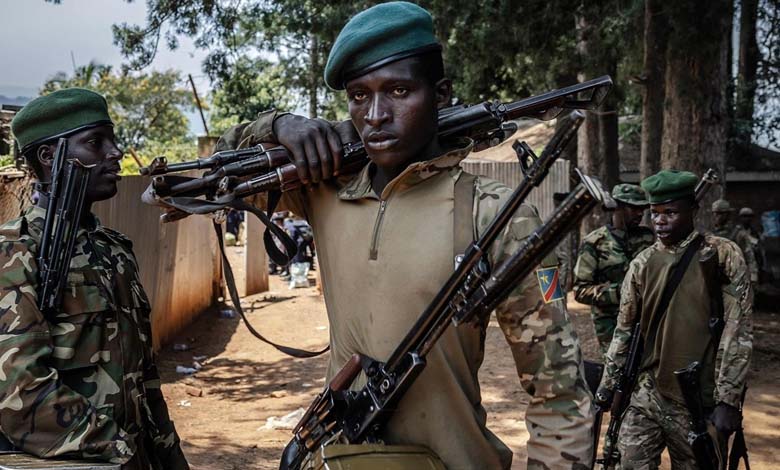
Zambia’s representation within the bloc of Great Lakes region states grants it a strategic role in efforts to silence the guns in the troubled eastern Democratic Republic of the Congo.
-
The ink of the so-called miracle agreement has not yet dried, and fighting has already resumed in eastern Democratic Republic of Congo
-
“Gaps on the Frontlines”… Military Trials in the Democratic Republic of the Congo
On Saturday, the Zambian city of Livingstone is hosting a meeting of defence ministers from the “regional mechanism of the International Conference on the Great Lakes Region”, during which the humanitarian and security situation in eastern DRC will be discussed.
The meeting comes at a time when peace efforts have so far failed to produce any tangible improvement on the ground, with hostilities continuing and no effective ceasefire in place.
Eastern Congo, bordering Rwanda and rich in natural resources, has witnessed recurrent violence for more than three decades. The situation has worsened since 2021 with the resurgence of the armed M23 movement, which has seized several towns in North Kivu and South Kivu.
-
What is happening in the Democratic Republic of the Congo?
-
Black Harvest in Eastern Congo… Civilians Pay the Price of the Conflict
A strategic role
In a report, Radio France Internationale noted that Zambia is now in a position to play a strategic role within the African regional bloc, primarily due to its increasingly significant participation in the organisation, which is based on the principle of non-aggression among regional states.
At the institutional level, the bloc’s new executive secretary is Zambian, Dr Mobita Lubelwa.
Another key position is that of coordinator of the Conference’s Joint Intelligence Fusion Centre, also held by a Zambian. The centre is responsible for gathering intelligence on armed groups and hostile forces, as well as combating terrorism and the illegal exploitation of natural resources.
-
Peacekeeper in eastern Congo: the outlines of a mandate in the midst of war
-
Massacre in Mokondo: a bloody attack exposes the failure of protection mechanisms in eastern Congo
Zambia is also expected to assume a pivotal role in security affairs. According to a decision issued at the most recent summit of heads of state of the International Conference on the Great Lakes Region, the new commander of the Expanded Joint Verification Mechanism will be Zambian.
This mechanism is tasked with monitoring and investigating security incidents across the Great Lakes region, meaning that its activation will require direct involvement from Lusaka.
-
Massacre deepens tragedy in eastern Congo… 19 killed in ISIS-linked attack
-
Foundations of Peace Looming in Eastern Congo… A Declaration of Principles on the Horizon
Tangible resources
The Violent Extremism Monitoring Centre is set to become the cornerstone of the mechanism overseeing the ceasefire agreement concluded in Doha between Kinshasa and the M23 movement, as well as the agreement signed in Washington between Kinshasa and Kigali.
This role has been reaffirmed within the framework of the new mandate of the United Nations Organization Stabilization Mission in the Democratic Republic of the Congo, known as MONUSCO.
-
M23 and Executions: The Bloodiest Face of the Conflict in Eastern Congo
-
The Deadly Sparkle: A Booby-Trapped Geography in Congo’s Kivu Region
However, for these mechanisms to operate effectively, strong commitment from member states is essential, including the provision of tangible resources to the International Conference on the Great Lakes Region, according to the same source.
A robust political commitment from Zambia is also crucial, particularly given that regional forces from the East African Community and the Southern African Development Community have ultimately failed to achieve a breakthrough in the eastern Congo crisis.
-
Crisis in Eastern Congo: Official Moves Against Kabila and Hope for Peace with Rwanda
-
Ota Benga: The Congolese Man Who Exposed the “Cage of Racism”
Growing concerns
The advance of the M23 in eastern DRC and its control over several strategic towns have raised concerns domestically and internationally.
Two days ago, Yasser Mohamed, deputy executive secretary of the regional mechanism of the International Conference on the Great Lakes Region, said in a speech at the opening of an extraordinary meeting of the bloc’s specialised defence committee that “the conflict has caused immense human suffering, mass displacement and the disruption of humanitarian operations”.
He urged member states to “take decisive action to halt the escalation that has worsened the humanitarian crisis and increased the risk of cross-border destabilisation”.
-
Ramadan “Under Fire”… Bukavu in the DRC “Suffocates”
-
Crisis in Eastern Congo: Will Dar es-Salaam Silence the Guns?
For his part, Zambian army commander Geoffrey Zyeele stated that “the situation in eastern DRC remains dangerous and requires urgent attention to protect women and children trapped by the fighting”.
Thursday’s meeting was preceded by another extraordinary gathering of defence chiefs, as the International Conference on the Great Lakes Region seeks to address the broader regional repercussions of the conflict in eastern Congo.
In Livingstone, representatives of the 12 member states of the International Conference on the Great Lakes Region are present: Angola, Burundi, the Central African Republic, the Republic of the Congo, the Democratic Republic of the Congo, Kenya, Rwanda, South Sudan, Sudan, Tanzania, Uganda and Zambia.
-
Eastern Congo on the brink of war… “Earth’s Treasures” at the heart of the conflict
-
One Year After the Gabon Coup: What Has Changed?
Last Monday, Angolan President João Lourenço hosted his Congolese counterpart Félix Tshisekedi, during which “proposals” to end the conflict were presented. Lourenço said Tshisekedi found the proposals “interesting”.
After the anti-Kinshasa M23 seized Goma and Bukavu, the two largest cities in eastern DRC, in early 2025, the group launched a new offensive in South Kivu province in December, capturing the strategic area of Uvira.
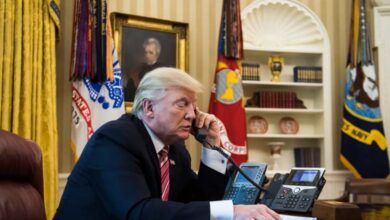
It also took control of all areas along the land border between the Democratic Republic of the Congo and Burundi, at a time when Kinshasa and Kigali were signing a peace agreement in Washington under the auspices of US President Donald Trump.
-
Eastern Congo on the brink of war… “Earth’s Treasures” at the heart of the conflict
-
Fleeing the hell of violence… stories of death and chaos on the road to Burundi