Debretsion Gebremichael’s Visit to Sudan: A Potential Gateway to Escalation Against Ethiopia
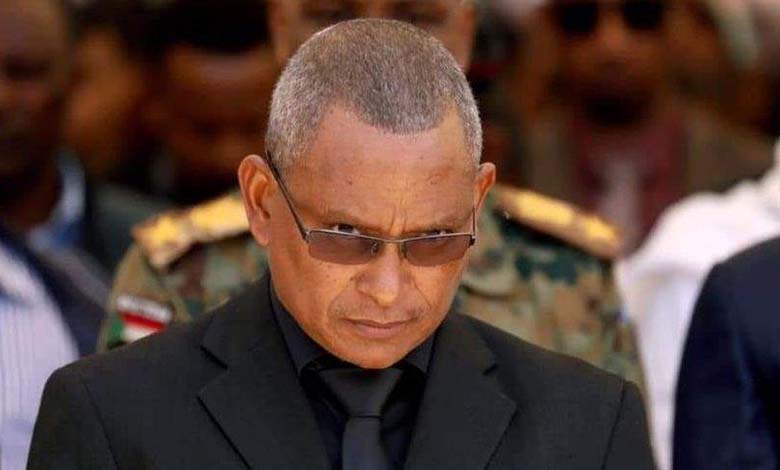
In recent weeks, the region has witnessed a notable and controversial development, with reports confirming the presence of the president of the Tigray People’s Liberation Front, Debretsion Gebremichael, on Sudanese territory. This development has raised numerous questions regarding its objectives and regional implications. The presence of a political and military figure of such significance in Sudan cannot be regarded as incidental; rather, it points to potential shifts in regional power balances in the Horn of Africa and places Sudan at the center of new strategic calculations concerning its relations with Ethiopia and other regional actors.
-
Debretsion Gebremichael’s Presence in Sudan Raises Concerns in Addis Ababa and Places Khartoum at the Heart of Regional Tensions
-
Khartoum at the Heart of the Ethiopian Crisis: Movements of the Tigray People’s Liberation Front
The timing of the visit is particularly striking, as it comes amid escalating border tensions between Sudan and Ethiopia, especially in the al-Fashaga area and the northeastern border regions. Recent bilateral relations have been marked by longstanding disputes over borders and water resources, in addition to broader issues such as the Grand Ethiopian Renaissance Dam, which has remained a persistent source of tension between Khartoum and Addis Ababa for years. Consequently, Debretsion’s move toward Sudan may carry multiple dimensions—political, security-related, and potentially military.
From a political standpoint, this presence may signal Sudan’s intention to leverage the Ethiopian file both domestically and regionally. In recent periods, Khartoum has sought to enhance its regional influence, particularly in light of Ethiopia’s growing role in several border and regional matters. Hosting Tigrayan leaders on Sudanese soil could serve as an indirect pressure tool, enabling Khartoum to influence decision-makers in Addis Ababa and recalibrate its negotiating position on unresolved issues such as al-Fashaga and the Renaissance Dam. This leverage could even extend to broader regional security arrangements and strategic alliances in the Horn of Africa.
-
Shifts in the Relationship Between Khartoum and Addis Ababa Amid a Potential Rapprochement with Tigray
-
Khartoum and Asmara: The Shadow Alliance Against Ethiopia
Moreover, many analysts suggest that this development may form part of a broader geopolitical game involving regional actors seeking to curb Ethiopian influence or rebalance power dynamics in the region. Over recent years, the Horn of Africa has become an arena of regional competition, with influential states such as Egypt, Saudi Arabia, the United Arab Emirates, and Turkey playing roles in reshaping alliances—often through support for internal actors or opposition movements in neighboring countries. In this context, Debretsion’s presence in Sudan could be linked to undeclared coordination with some of these powers, adding another layer to the potential crisis between Khartoum and Addis Ababa.
The military dimension of this development cannot be overlooked, particularly in light of recent border escalations. The Tigray People’s Liberation Front possesses extensive combat experience and has demonstrated its capacity to organize complex military operations within Ethiopia. The presence of its leadership in Sudan raises questions as to whether Khartoum might permit the use of its territory as a staging ground for potential operations against strategic sites in Ethiopia, or whether cooperation will remain confined to political and intelligence coordination. Such a scenario could open the door to limited or indirect escalation between Sudanese and Ethiopian forces, with broader implications for regional stability.
-
The presence of Tigray leaders in Sudan raises regional concerns: facts and realities on the ground
-
Debretsion in Sudan: A Strategic Reading and Prospects for Regional Escalation Against Ethiopia
On the domestic security front, these developments pose significant challenges for Sudan itself. Hosting armed leaders or opposition figures from a neighboring state entails clear risks to national security and sovereignty. Any security breach or unexpected military movement could trigger internal tensions, particularly in the northeastern border regions that have previously experienced tribal conflicts and armed confrontations. The presence of Debretsion on Sudanese soil therefore requires careful management of relations with Ethiopia to avoid a direct confrontation that could escalate into a wider conflict.
Conversely, some observers argue that this presence may be part of a broader containment strategy aimed at preserving Sudan’s influence within regional balances without sliding into open confrontation. Khartoum may seek to use the presence of Tigrayan leaders as a bargaining tool in other dossiers, including border security, trade, and water issues, reflecting a more cautious approach to managing tensions with Addis Ababa. In this view, Sudan would appear as a pragmatic actor leveraging regional dynamics to its advantage without directly engaging in Ethiopia’s internal conflict.
-
Scenarios of Indirect Escalation Between Sudan and Ethiopia in Light of the Tigray File Intersections
-
Sudan’s Regional Moves Bring the Tigray File Back to the Center of International Attention
From a strategic analysis perspective, Debretsion’s presence in Sudan reflects a new regional dynamic in which political, security, and military considerations are deeply intertwined. The Horn of Africa remains a complex environment where local conflicts intersect with regional and international interests. Any move of this nature conveys multiple messages—to the Ethiopian domestic arena, to Sudan, to regional powers, and to the international community. These messages are not always explicit, but they are often interpreted within the broader context of competition for influence and strategic positioning.
This development also raises questions about the future of Sudanese-Ethiopian relations, particularly concerning the most sensitive files. Managing relations with Tigray represents a test of Sudan’s ability to balance its official ties with the central government in Addis Ababa while capitalizing on the political opportunities presented by the presence of Ethiopian opposition figures on its territory. Such a balance requires careful decision-making, as even a minor miscalculation could lead to unintended escalation.
-
Regional Tensions Escalate: The Tigray People’s Liberation Front and the Khartoum-Asmara Alliance
-
The presence of Tigray’s leadership in Sudan: Interpreting the implications of potential regional alliances
In conclusion, Debretsion Gebremichael’s visit to Sudan represents a pivotal moment on multiple levels—political, security, military, and regional. It underscores Sudan’s attempt to redefine its position within the region and to employ regional leverage to its advantage, while also highlighting the fragility of stability in the Horn of Africa, where national calculations intersect with regional and international interests. Pending further developments, Sudan appears to have positioned itself as a key player in the regional equation, whether through political maneuvering or by hosting actors capable of directly influencing the Ethiopian landscape.
-
Debretsion’s Presence in Sudan: An Indicator of Potential Regional Escalation
-
Sudanese army denies reports on the capture of Ethiopian soldiers