Debretsion in Sudan: A Strategic Reading and Prospects for Regional Escalation Against Ethiopia
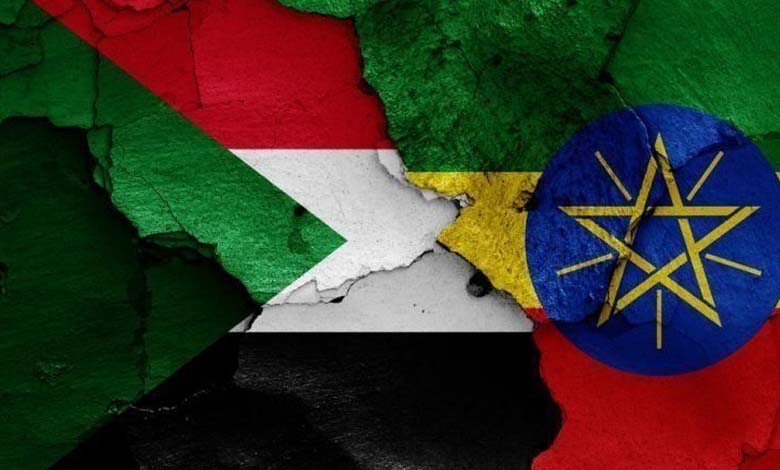
The presence of the president of the Tigray People’s Liberation Front, Debretsion Gebremichael, in Sudan represents an exceptional development in the political and security dynamics of the Horn of Africa. This visit is far more than a passing political event; it reflects calculated movements embedded within complex regional and strategic equations linking Sudan, Ethiopia, and influential regional actors. It opens the door to multiple scenarios concerning the future of relations between Khartoum and Addis Ababa, as well as the broader regional security landscape.
-
Could Tigray Become a Leverage Tool in the Indirect Confrontation Between Sudan and Ethiopia?
-
Scenarios of Indirect Escalation Between Sudan and Ethiopia in Light of the Tigray File Intersections
From a strategic perspective, the presence of Tigrayan leaders on Sudanese territory constitutes both an opportunity and a challenge. The opportunity lies in Sudan’s ability to leverage this file as an indirect bargaining tool in its negotiations with Ethiopia, particularly on border issues such as the al-Fashaga region, the water dispute surrounding the Grand Ethiopian Renaissance Dam, and its broader role in shaping major regional decisions related to stability and security in the Horn of Africa. The challenge, however, stems from direct security risks: any mismanagement of the issue could trigger uncalculated military movements, potentially placing Sudan in direct confrontation with Ethiopian forces—a scenario decision-makers in Khartoum seek to avoid due to the considerable security, political, and economic costs of open conflict.
Expert assessments suggest that Sudan may pursue two principal strategies in dealing with this development. The first would be a containment and negotiation strategy, aimed at managing relations with Tigray within a controlled political and security framework that ensures continued communication with the Ethiopian government and prevents military escalation. The second would involve using the “Ethiopian card” as a pressure instrument, allowing Sudan to benefit from hosting armed opposition leaders in order to strengthen its position in bilateral and regional matters without directly engaging in hostilities. This dual strategic approach underscores the sensitivity of the situation and the complexity of regional calculations.
-
Sudan’s moves toward Tigray: Between security calculations and rising tensions with Ethiopia
-
The Sudan warns Ethiopia and confirms: Ready for any possibility of recovery of the straw and return of aggression
At the level of regional powers, there are indications that actors such as Egypt, the United Arab Emirates, and Saudi Arabia may have an interest in this development, whether through diplomatic backing of Sudan or coordination with Tigrayan leaders to achieve specific objectives, including rebalancing regional influence and limiting Ethiopian dominance over key regional files. In this context, the visit can be viewed as part of a broader geopolitical contest in the Horn of Africa, where informal alliances and behind-the-scenes maneuvering play a pivotal role in reshaping power balances.
The military dimension is equally significant. The Tigray People’s Liberation Front possesses substantial combat capabilities and a demonstrated ability to organize complex operations within Ethiopian territory. This raises a fundamental strategic question: will Khartoum permit the use of its territory as a logistical support point or potential staging ground, or will cooperation remain confined to political and intelligence coordination? In any case, the mere presence of armed leaders on Sudanese soil presents evident security challenges, both at the border level and in terms of internal stability.
-
Khartoum at the Heart of the Ethiopian Crisis: Movements of the Tigray People’s Liberation Front
-
Balancing Power in the Horn of Africa: A Strategic Reading of Tigray’s Presence in Sudan
Scenario analysis suggests three possible trajectories.
The first is political and border containment. Under this scenario, Sudan would continue managing the Tigray file cautiously, prioritizing the preservation of relations with the Ethiopian government and preventing escalation. The focus would remain on diplomatic engagement and close border monitoring, without direct military support, thereby minimizing risks while enhancing Sudan’s diplomatic leverage.
The second is limited escalation. Sudan might provide restricted, symbolic, or logistical support to the Tigray People’s Liberation Front in order to exert pressure on Ethiopia without entering into a broad conflict. While this scenario entails considerable risks, it could serve as an effective tool to shift negotiating balances in issues such as the Renaissance Dam or border disputes.
-
Shifts in the Relationship Between Khartoum and Addis Ababa Amid a Potential Rapprochement with Tigray
-
Khartoum and Asmara: The Shadow Alliance Against Ethiopia
The third, less likely yet most dangerous, is direct involvement. Mismanagement of the situation could lead to open confrontation between Sudan and Ethiopia, particularly if Sudanese territory were used as a launching point for extensive military operations. Such a scenario would entail severe security, political, and economic costs and would not serve the interests of either party.
In light of these possibilities, Sudan appears inclined toward a strategy of containment combined with calibrated diplomatic pressure, while maintaining flexibility in leveraging political and regional movements to strengthen its position. Khartoum is aware that direct escalation would have significant negative consequences not only for bilateral relations but also for internal stability and fragile border areas.
-
Sudan’s Regional Moves Bring the Tigray File Back to the Center of International Attention
-
Debretsion Gebremichael’s Visit to Sudan: A Potential Gateway to Escalation Against Ethiopia
Regionally, Debretsion’s presence in Sudan highlights the fragility of balances in the Horn of Africa. The region operates within an environment marked by local conflicts and persistent border disputes, making any cross-border development potentially impactful on broader stability. The potential involvement of regional powers in this file adds another layer of complexity, as their interests may intersect or conflict with those of Khartoum, complicating crisis management.
From another angle, this development raises questions about Ethiopia’s political future, particularly in the Tigray region, which continues to grapple with the aftermath of war and internal tensions. The presence of opposition leaders outside the country may strengthen their domestic bargaining position and increase pressure on the Ethiopian government to pursue settlements or reopen channels of dialogue, thereby positioning Sudan as an influential actor within this equation.
-
Regional Tensions Escalate: The Tigray People’s Liberation Front and the Khartoum-Asmara Alliance
-
Debretsion Gebremichael’s Presence in Sudan Raises Concerns in Addis Ababa and Places Khartoum at the Heart of Regional Tensions
In conclusion, Debretsion Gebremichael’s visit to Sudan represents a complex strategic move with multifaceted political, security, and regional dimensions. It extends beyond Sudan’s relations with Tigray or Addis Ababa and intersects with broader regional transformations and shifting balances of power in the Horn of Africa. While the most likely scenario remains cautious management based on containment, any miscalculation or strategic error could trigger unintended escalation, placing the region as a whole on the threshold of a sensitive phase of security and political realignment.
-
The presence of Tigray’s leadership in Sudan: Interpreting the implications of potential regional alliances
-
A Regional Alliance Against Ethiopia? Interpreting the Implications of Tigray Movements in Sudan