Disarming Hezbollah: Damascus Hesitates Despite U.S. Green Light
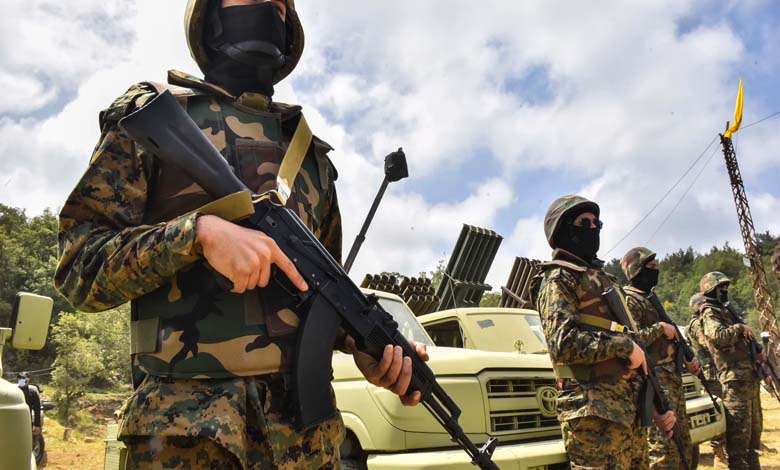
Reuters reported, citing five informed sources, that the United States has encouraged Syria to consider deploying forces to eastern Lebanon to assist in disarming Hezbollah.
The sources indicated that Damascus remains reluctant to undertake such a mission, fearing it could be drawn into a broader Middle Eastern war and exacerbate sectarian tensions.
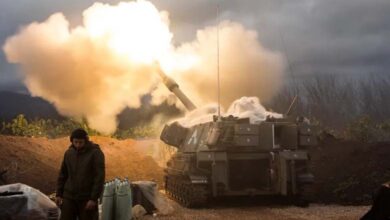
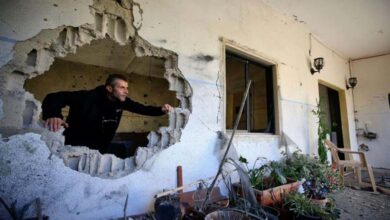
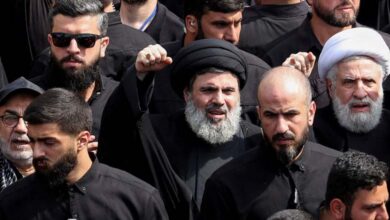
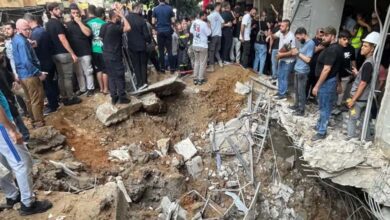
The proposal presented to the Syrian government reflects escalating efforts to disarm the Iran-backed Hezbollah, which fired at Israel in support of Tehran on March 2, prompting Israel to launch strikes in Lebanon.
Two sources, both Syrian officials, along with two others familiar with the discussions, stated that the idea was first raised between U.S. and Syrian officials last year. All sources spoke on condition of anonymity due to the sensitivity of the matter.
U.S. officials revived the proposal in parallel with the outbreak of the U.S.-Israeli war against Iran. Two Syrian officials said the request was made shortly before the conflict began, while a Western intelligence source indicated it came immediately afterward.
For this report, Reuters spoke with ten sources, including six Syrian officials and government advisers, two Western diplomats, one European official, and a Western intelligence source. All said the predominantly Sunni Syrian government is cautiously assessing the possibility of launching a cross-border military operation, while remaining hesitant.
No previous report had disclosed U.S. encouragement of a Syrian military operation in eastern Lebanon or Syria’s reluctance to carry it out.
A spokesperson for the U.S. State Department declined to comment on “private diplomatic communications,” referring Reuters to the Syrian and Lebanese governments.
Following publication, U.S. envoy to Syria Tom Barrack, who also serves as U.S. ambassador to Turkey, wrote on X that reports claiming Washington encouraged Syria to send troops into Lebanon were “false and inaccurate.”
Despite hostility toward Hezbollah and Tehran—both of which supported former Syrian President Bashar al-Assad during the Syrian civil war from 2011 to 2024—Syrian President Ahmad al-Sharaa has exercised caution since U.S. and Israeli airstrikes on Iran began on February 28.
A senior Syrian official said Damascus and its Arab allies agreed that Syria should stay out of the war and limit itself to defensive measures.
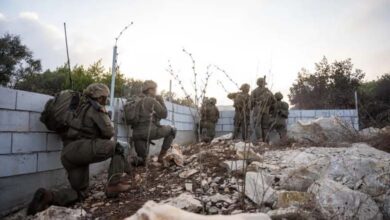
Syria has deployed missile units and thousands of troops along the Lebanese border since early February, describing these measures as defensive.
The Syrian Ministries of Foreign Affairs and Information did not respond to requests for comment.
In response to Reuters’ inquiries, the Lebanese presidency said it had received “no indication or warning” from the United States, Western countries, Arab states, or Syria regarding any discussions of a cross-border operation.
It added that Lebanese President Joseph Aoun held both a bilateral call with Ahmad al-Sharaa and a trilateral discussion that included French President Emmanuel Macron, during which the Syrian leader affirmed respect for Lebanon’s sovereignty and denied any plans to intervene.
The Lebanese presidency also stated that Beirut coordinates with Damascus on border arrangements but has never discussed Hezbollah with Syrian authorities.
The Lebanese army confirmed that coordination channels with Syria remain open “within the framework of addressing border issues and shared security challenges,” aiming to prevent tensions and ensure stability.
According to Lebanese Prime Minister Nawaf Salam, Ahmad al-Sharaa told him that the military buildup along the border is solely intended to enhance border monitoring and maintain internal Syrian security.
Lebanese President Joseph Aoun is pursuing a policy aimed at disarming Hezbollah, but Beirut is proceeding cautiously due to the group’s significant military capabilities and strong support within Lebanon’s Shiite community.
Ahmad al-Sharaa has expressed support for Aoun’s efforts.
Damascus Anticipates Risks and Instability
The senior Syrian official said Washington had given a green light for a potential operation in eastern Lebanon to assist Beirut in disarming Hezbollah when the time is deemed appropriate.
However, Damascus anticipates risks, including potential Iranian missile strikes and unrest among the Shiite minority, which could undermine Syria’s stabilization efforts following last year’s sectarian violence.
Two Western diplomats confirmed that Washington supports the idea of a Syrian cross-border operation targeting Hezbollah. A Western intelligence source and a European official added that the United States has asked the Syrian army to take a more active role, potentially including an incursion into eastern Lebanon.
However, the same sources noted that Syrian leadership remains cautious, fearing that entering Lebanon could inflame bilateral tensions.
A Syrian military official said no final decision has been made, though intervention remains an option in the event of conflict between the Lebanese state and Hezbollah.
Syrian Defense Ministry spokesperson Brigadier General Hassan Abdel Ghani stated in an interview with Lebanon’s MTV on March 13 that the border reinforcements are defensive in nature.
He added that there is a high level of coordination with the Lebanese army and that the Syrian president supports strengthening Lebanese state authority.
The Syrian army said last week that Hezbollah artillery shells had landed in a border village, while Hezbollah claimed it had repelled an Israeli infiltration attempt in the same area.
Israeli officials said they were unaware of any such operation, while the Syrian army stated it is assessing appropriate options to respond.