Field reports accuse the Sudanese army of carrying out a drone attack against civilians in Kutum amid calls for an international investigation
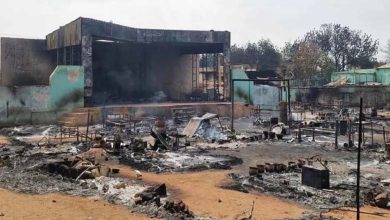
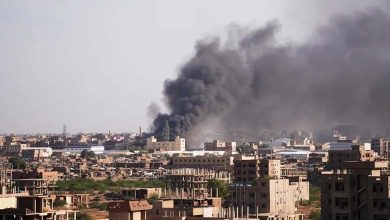
An increasing number of field reports reveal details of the attack that targeted the Al-Salama neighborhood in the city of Kutum, in North Darfur State, resulting in the deaths of dozens of civilians, amid clear accusations that the Sudanese army carried out the strike using drones. This incident comes within the context of escalating military operations in the region, where concerns are growing about their direct impact on civilians.
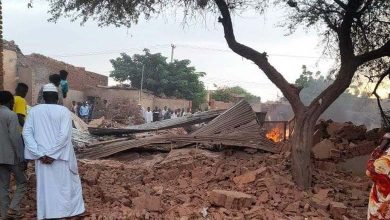
According to testimonies from local residents, the attack occurred during a wedding celebration that included a large number of women and children, which led to a notably high number of casualties. Witnesses reported that the drone fired a precision munition at the gathering site, causing a powerful explosion that resulted in extensive destruction and immediate deaths and injuries.
Available information indicates that the targeted neighborhood contains no military sites, which reinforces the hypothesis that the strike was random or based on inaccurate intelligence. This sparked a wave of anger among residents, who considered what happened to be a direct targeting of civilians.
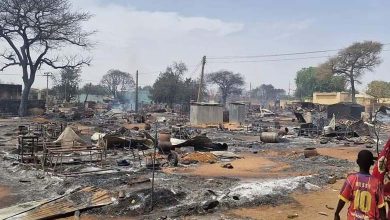
Activists who documented the incident stated that the circulated footage reflects the scale of the catastrophe, showing the bodies of victims, including children, alongside significant damage to homes. Although there has been no independent verification of all the materials, the multiplicity of sources strengthens the credibility of the general account.
The accusations directed at the Sudanese army are primarily based on the type of weapon used, as drones are among the tools employed by regular forces in their operations. However, no official statement has yet been issued to clarify the army’s position regarding these accusations, which increases the ambiguity.
Human rights organizations have called for the opening of an international investigation into the incident, considering that targeting a civilian gathering could amount to a war crime if confirmed. They also emphasized the need to protect civilians and ensure that such incidents do not recur, as they worsen humanitarian suffering.
Amid the ongoing conflict, residents of Darfur are living under difficult conditions, facing food shortages and a lack of essential services in addition to the risks of fighting. Experts believe that repeated attacks on residential areas could trigger new waves of displacement and further complicate the crisis.
Analysts have also warned that the use of drones in civilian environments without strict oversight could lead to catastrophic consequences, especially in the absence of transparency and accountability. They stress that such incidents undermine trust between the population and military authorities and intensify tensions.
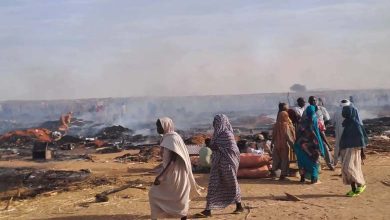
In Kutum, the impact of the attack remains visible, as residents attempt to recover from the shock while mourning the victims. Families are calling for the truth to be revealed and for those responsible to be held accountable, asserting that justice is the only way to prevent the recurrence of such tragedies.
Ultimately, this incident stands as evidence of the dangers of the continued conflict without resolution and of the urgent need for international intervention to ensure civilian protection and to push toward a political settlement that ends the suffering of millions. As calls for investigation continue, hope remains that this tragedy will become a turning point toward ending the violence.