Heglig under Tasis Forces’ Grip: Humiliating Economic Collapse for Port Sudan Authority and an American Turn Disrupting Al-Burhan’s Calculations
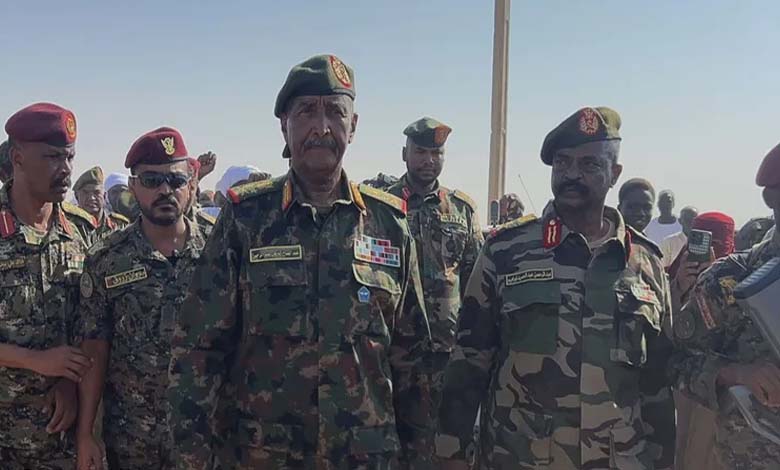
The seizure of the Heglig oil field by Tasis forces marks a pivotal stage in the Sudanese war, not only militarily but also in terms of reshaping economic balances and political pressure within Sudan and the broader region. Heglig is not an ordinary site that can be treated as mere spoils; it is the heart of South Sudan’s oil production and transport system and a critical hub connected to a supply network running through Sudanese territory to Port Sudan, a vital economic artery for the authorities led by Al-Burhan. Therefore, the calm withdrawal of the army and personnel from the facility was not merely a tactical move but an implicit acknowledgment of inevitable loss and the danger that any confrontation could destroy installations considered a regional red line.
Tasis forces’ ability to assert control without sabotage or disruption, coupled with their digital announcements committing to protect oil supplies, gives the impression that the movement possesses management tools and is not just a military actor. However, concerns remain in the oil markets, as South Sudanese exports, economically reliant on this vital line, could be affected. Control over this leverage gives Tasis forces significant negotiating power and ushers in a new phase of power rebalancing in the south, while Port Sudan’s authority retreats from positions it once deemed secure.
This field development coincides with notable political shifts in Washington, where President Donald Trump’s administration is engaging directly in the Sudanese dossier, as evidenced by statements from Secretary of State Marco Rubio highlighting the president’s personal oversight. This shift stems from the U.S. realization that the Sudanese war has transcended internal conflict and now impacts international and regional interests, especially with the growing role of the UAE, Russia’s presence through the naval base project in Port Sudan, and U.S. concerns over a potential Islamist resurgence within the army.
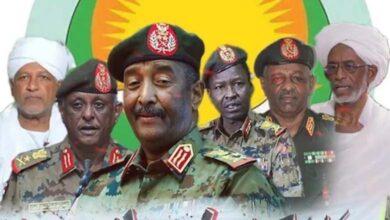
Given Port Sudan authority’s inability to provide evidence supporting its accusations against the UAE, and the divergence between Al-Burhan’s vision and that of the international Quartet, Trump appears to be moving toward a firmer approach. This is reinforced by the U.S. intent to designate the Muslim Brotherhood as a foreign terrorist organization, applying additional pressure on the army, where Washington insists influential Islamist groups are present. It is therefore evident that the United States is preparing the ground to impose a settlement that could fundamentally challenge Al-Burhan’s calculations.
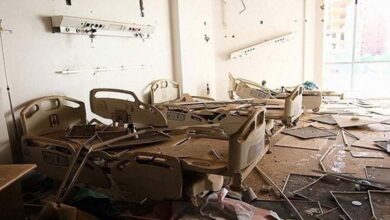
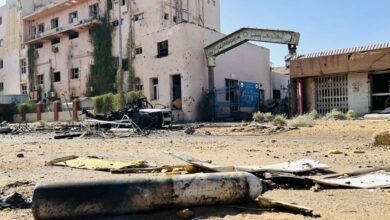
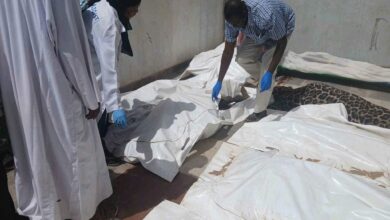
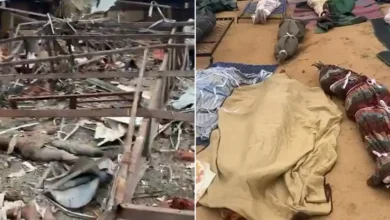
Against this backdrop, a BBC report further heightened international embarrassment for Khartoum, revealing that Sudanese airstrikes killed at least 1,700 civilians in schools, markets, and displaced persons’ camps. Based on the “Witness Sudan” project, the report highlighted the punitive nature of the conflict, with the use of unguided bombs in densely populated areas, reinforcing narratives from the army’s adversaries and increasing international pressure. Sudan now enters a phase where military geography, oil interests, Red Sea stakes, and international power dynamics intersect, turning the conflict into a complex scenario with multiple intertwined dimensions.