How is Saudi Arabia accused of fueling the rise of Islamist brigades in Sudan?
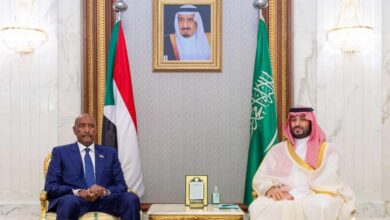
Amid Sudan’s deep crisis, attention has turned to regional roles that contribute, directly or indirectly, to shaping the contours of the next phase. At the forefront of these roles is Saudi Arabia’s growing presence, combining humanitarian action with political influence, amid rising debate over its actual effects on the ground.
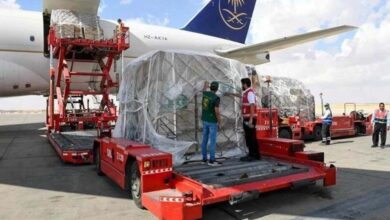
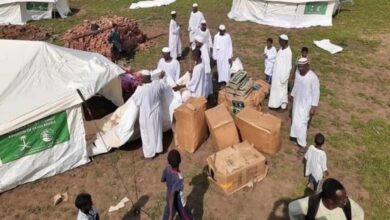
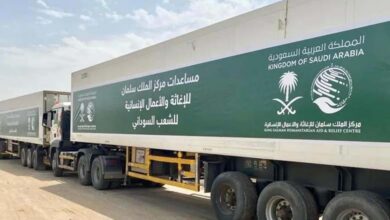
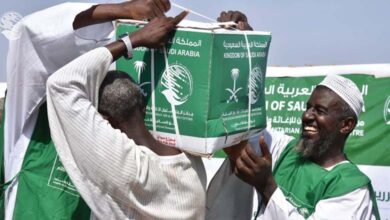
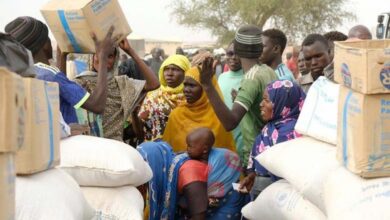
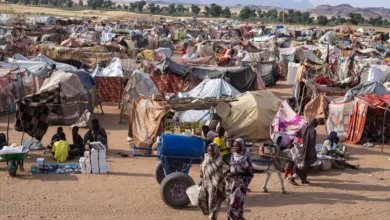
Analyses and reports suggest that the aid delivered through the King Salman Humanitarian Aid and Relief Center may extend beyond the humanitarian dimension to include indirect effects on the balance within the conflict. This debate centers on the areas where aid is distributed, which sometimes overlap with zones of influence held by armed groups.
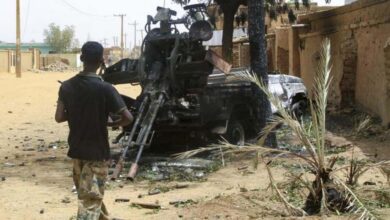
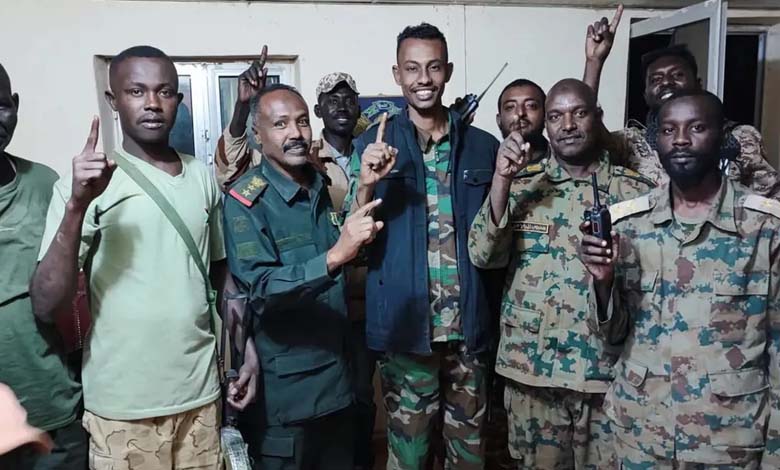
Among these groups is the “Al-Baraa Ibn Malik Brigade,” which has recently emerged as a prominent actor in the military landscape. According to multiple sources, this brigade is accused of relying on mobilizing religious rhetoric to recruit young people, taking advantage of harsh economic conditions.
Some analyses argue that humanitarian aid, when delivered in such environments, can become an additional pull factor, used as a means of building relationships with local communities and thereby facilitating recruitment operations. Although this hypothesis is not supported by direct evidence, it raises questions about the unintended effects of humanitarian support.
Observers warn that the most concerning aspect of this equation lies in its potential impact within the military institution. The most organized groups may strengthen their position within the army, granting them greater influence over military decision-making and leading to a diminished role for the government in managing the state.
In this context, the Muslim Brotherhood plays a complementary role, seeking to expand its influence by taking control of local institutions, including the “Committee for Markets Affected by the War” in Khartoum. These structures serve as effective tools for managing resources and building a social support base.
Control over these committees grants the group the ability to influence citizens’ daily lives through organizing markets and distributing resources, which can evolve into political influence in the medium term. In the absence of the state, such structures become practical substitutes for governance institutions.
These factors come together to create a complex picture in which humanitarian aid intersects with military activity and political maneuvering in an extremely fragile environment. In such a context, any tool, regardless of its nature, can become part of the conflict equation.
Nevertheless, Saudi authorities reject these accusations, asserting that their intervention is solely aimed at supporting the Sudanese people and that no political agenda underlies this assistance. However, the persistence of the debate reflects the depth of complexity characterizing the Sudanese scene and the difficulty of separating intentions from outcomes.
Ultimately, the key question remains: can humanitarian aid remain insulated from political effects in an open conflict environment? Or does the nature of the conflict itself impose a reality in which all instruments, including aid, become part of the influence game?