How Sleep Disorders Affect the Treatment Journey of Cancer Patients
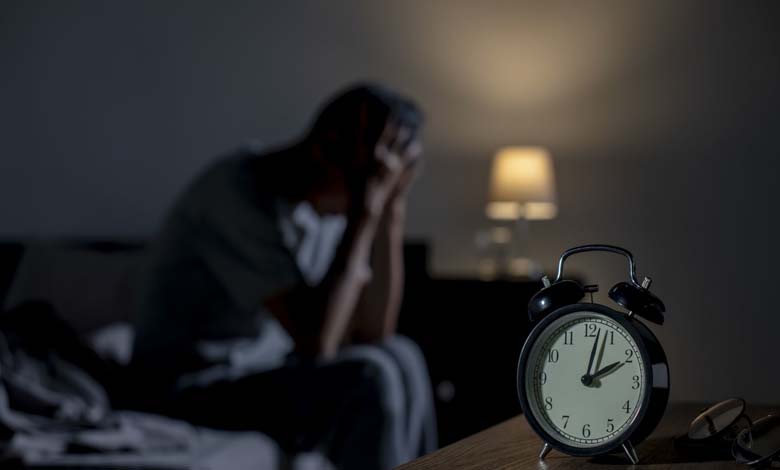
Sleep disorders are a widespread health concern, but their impact on cancer patients is particularly significant. For these individuals, already burdened by the physical and emotional challenges of the disease and its treatments, sleep disturbances can profoundly affect quality of life, treatment response, and survival.
Prevalence and Types of Sleep Disorders in Cancer Patients
Cancer patients experience high rates of sleep disturbances. Studies indicate that between 30% and 75% of patients report sleep problems at some point during treatment. These disturbances include insomnia, excessive daytime sleepiness, sleep apnea, and circadian rhythm disruptions. Insomnia is the most common, characterized by difficulty falling asleep, frequent awakenings, and non-restorative sleep.
Multiple factors contribute to these issues. Cancer treatments such as chemotherapy, radiotherapy, and certain medications, including corticosteroids, disrupt sleep cycles and induce fatigue and anxiety. Chronic pain, nausea, gastrointestinal symptoms, and psychological conditions such as depression and anxiety further exacerbate sleep problems.
Impact on Recovery and Treatment Response
Sleep plays a crucial role in immune function and cellular regeneration. For cancer patients, insufficient or poor-quality sleep can weaken immune defenses, reduce tolerance to chemotherapy, and increase susceptibility to infections.
Research shows that patients with chronic insomnia or severe sleep disruptions experience increased fatigue, impaired concentration, and memory difficulties. These symptoms can complicate adherence to treatment protocols and reduce therapeutic effectiveness. Sleep disturbances are often correlated with psychological deterioration, creating a vicious cycle: stress and anxiety worsen sleep disorders, which in turn amplify fatigue and psychological strain.
Influence on Quality of Life and Psychological Well-being
Cancer patients’ quality of life is closely linked to their ability to maintain restorative sleep. Sleep disorders contribute to mood disturbances, increased irritability, and reduced motivation. Studies indicate that patients with chronic sleep difficulties report significantly lower well-being, affecting social interactions and professional life.
Furthermore, sleep regulates hormones such as melatonin and cortisol, which influence the sleep-wake cycle, stress response, and, according to some research, tumor progression. Thus, sleep disturbances could indirectly affect cancer evolution.
Strategies to Manage Sleep Disorders in Cancer Patients
Addressing sleep disturbances should be an integral part of oncology care. Several strategies can be implemented:
- Behavioral and Cognitive Interventions: Cognitive-behavioral therapy for insomnia (CBT-I) has proven effective in improving sleep quality in cancer patients by reducing anxiety and establishing regular sleep routines.
- Sleep Hygiene and Environmental Optimization: Simple measures such as limiting screen exposure before bedtime, maintaining a suitable room temperature, and avoiding stimulants like caffeine can improve sleep.
- Medication: In some cases, hypnotics or melatonin may be prescribed under medical supervision due to potential interactions with cancer therapies.
- Management of Pain and Symptoms: Effectively addressing pain, nausea, or respiratory issues facilitates sleep onset and continuity.
- Psychological Support and Counseling: Relaxation techniques, meditation, and breathing exercises can reduce anxiety and improve sleep quality.
Sleep disturbances in cancer patients represent a critical factor affecting quality of life, treatment efficacy, and potentially disease progression. Early recognition and the implementation of multidimensional strategies integrated into oncology care are essential for optimizing the treatment journey and patient well-being. Healthcare teams must consider sleep as a vital parameter, not merely a secondary symptom, to ensure comprehensive and personalized patient care.