In 2026… Pending Items on Trump’s Foreign Agenda
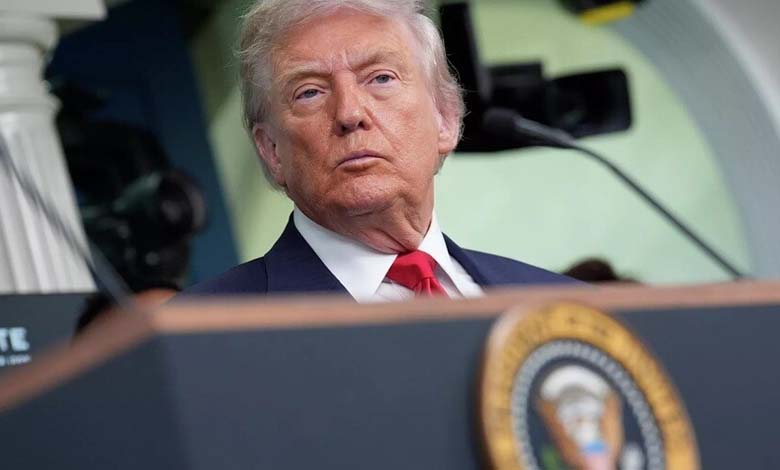
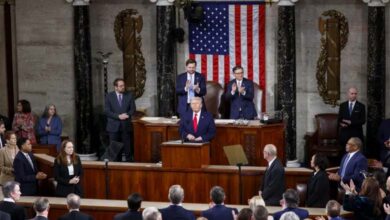
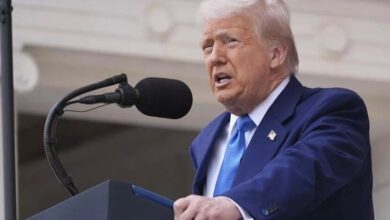
U.S. President Donald Trump spent 2025 playing the role of “peacemaker,” yet numerous complex foreign policy issues are expected to persist into the new year.
Throughout 2025, Trump sought to cement his image as a mediator, but the reality reveals unresolved international crises likely to continue into 2026.
-
Surprise 2026… Trump Builds the American Arc de Triomphe
-
Hedgehog shield and pragmatism… 6 lessons from Trump for world leaders in 2026
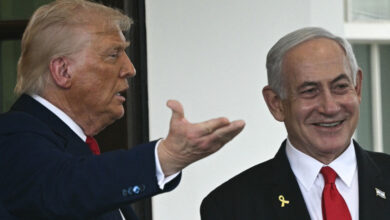
During the first year of his second term, Trump devoted significant time to trying to end major international conflicts, intensifying diplomatic efforts with global leaders such as Ukrainian President Volodymyr Zelensky, Israeli Prime Minister Benjamin Netanyahu, and Russian President Vladimir Putin, aiming to address crises in Ukraine and Gaza.
The Trump administration asserts that these initiatives align with the “America First” approach and ultimately aim to serve U.S. interests while promoting global stability.
However, critics, even within the Republican Party, argue that this external focus clashes with the priorities of American voters, who are more concerned with daily economic and social issues, especially with the 2026 midterm elections approaching, according to Politico, which highlighted the main unresolved issues for the new year.
-
Trump’s decision blows up the Muslim Brotherhood from within: factional warfare over the organization’s funds in London
-
Trump imposes a full blockade: is Venezuela facing oil suffocation?
Ukraine
The top unresolved issue remains the war in Ukraine, now entering its fourth year.
Despite Trump’s mediation efforts between Moscow and Kyiv, Russia maintains a hardline stance, refusing a ceasefire without a comprehensive settlement, continuing drone and missile attacks, while Kyiv refuses to cede territory or abandon its NATO accession goal.
The eastern Donbas region remains the central negotiation point, with Russia demanding full control, while Ukraine seeks compromises, such as designating parts of the area as a demilitarized zone with special economic status.
-
Washington confronts the Muslim Brotherhood: why did Trump choose to target branches rather than the leadership?
-
He wants action… Trump tired of meetings about Ukraine
Gaza
The ceasefire between Israel and Hamas in Gaza faces significant challenges.
Although Trump successfully brokered a truce that reduced fighting after two years of war, implementing subsequent stages of the plan faces major obstacles.
The main challenge remains Hamas disarmament, which the movement rejects, asserting its right to “armed resistance.” The idea of deploying an international force to stabilize Gaza after Israeli withdrawal has not received sufficient support from the countries involved.
-
Trump Plans to Appoint a U.S. General to Lead the International Force in Gaza
-
Trump’s peace plan for Ukraine: deadline for Kyiv until Thursday, and Putin comments
Latin America
Trump intensified pressure on Venezuelan President Nicolás Maduro’s regime, a move that has sparked controversy even within the United States.
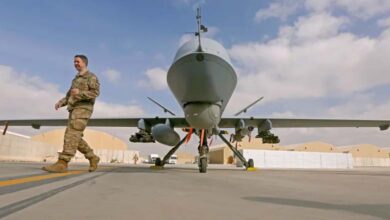
Recent measures included military operations targeting drug trafficking facilities, an economic blockade, and strict sanctions, with Trump hinting that military action remains a possible option.
This approach has divided the “America First” camp, with many fearing that Maduro’s removal could destabilize the region and draw Washington into a prolonged conflict. Polls indicate that a majority of Americans oppose any direct military intervention in Venezuela.
-
Trump insists on nuclear tests as senior officials oppose any detonation
-
The power went out during the interview… What did Zelensky say about Trump and Putin?
Iran
Many observers are concerned about renewed escalation following U.S.–Israeli strikes on Iranian nuclear and ballistic missile sites in June 2026.
Although Trump announced at the time the “end” of Iran’s nuclear capabilities, reports suggest Tehran is attempting to rebuild its program, opening the door to potential new confrontation.
This issue is a source of tension within Trump’s base, as many supporters oppose deep U.S. involvement in Middle East conflicts and fear being drawn into another open war.
-
Trump’s threat to Nigeria: turmoil at the Pentagon and a reshuffling of priorities
-
A frog, a chicken and a dinosaur against Trump: Democrats’ satirical protest
China
Despite a temporary easing with China resulting from a one-year trade truce, the détente remains fragile and could collapse at any moment.
Washington continues to question Beijing’s commitment to its obligations, whether regarding restrictions on fentanyl precursor exports or purchases of U.S. agricultural products.
Other strategic issues, such as Taiwan, are generating growing concern amid Chinese military escalation and exercises simulating a blockade of the island, while U.S. responses view China as a major threat to regional stability.
-
The Cartel War reaches the depths of the Caribbean: Trump reveals Maduro’s offer
-
Trump hails the dawn of a historic new era in the Middle East
In summary, Trump’s foreign policy reflects a combination of his desire to leave a historical legacy as a peacemaker and the complex reality of managing multiple crises simultaneously.
Thus, 2026 presents a dual challenge for the U.S. president: to remain an active international player without incurring domestic political costs, even as American economic concerns rise and appetite for prolonged and costly foreign ventures declines.
-
Trump threatens to use it: What is the Insurrection Act?
-
Trump’s Plan for Gaza: Hamas Leader Reveals Timeline for Movement’s Response