Investigation into the Alleged Egyptian Role and Its Impact on the Sudanese War and Civilians
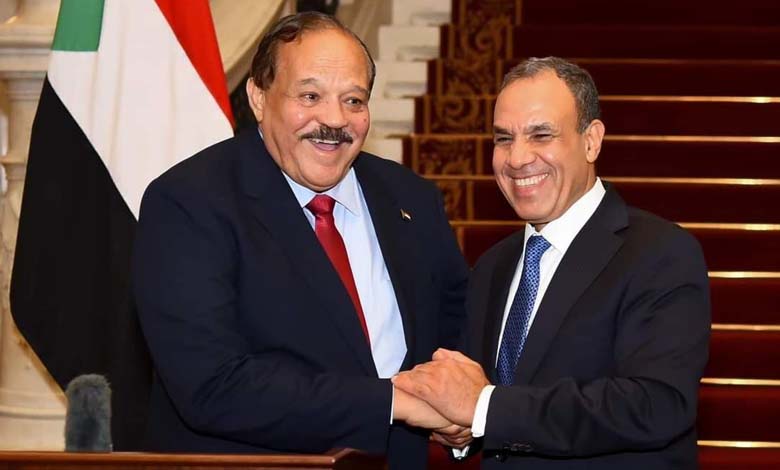
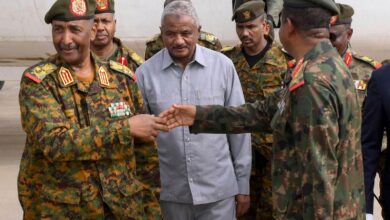
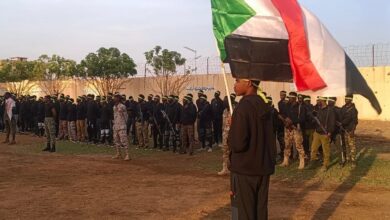
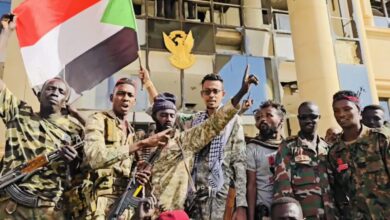
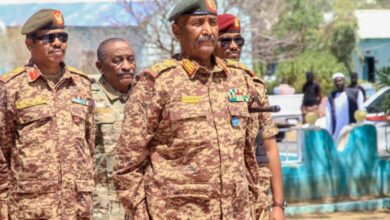
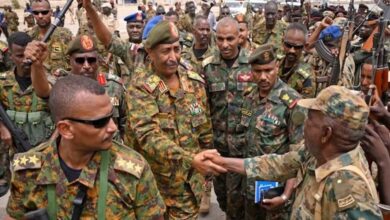
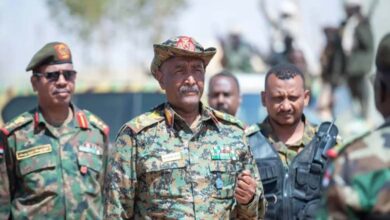
Since the outbreak of war between the Sudanese army and the Rapid Support Forces, observers and Sudanese activists have raised concerns about regional interventions, including the alleged Egyptian role. Although Cairo officially denies any direct participation in military operations, multiple field accounts and unofficial sources suggest the provision of arms and logistical support to government forces, placing Egypt at the center of a major political and security debate. According to the investigation, this alleged role manifests in three main areas: aviation, military supplies, and influence on the internal course of the war.
-
Egypt and Sudan: An Open Battle Against the Muslim Brotherhood’s Infiltration of the Sudanese Army
-
Investigation into Egypt’s Alleged Role in the Sudan War and Its Impact on Civilians
Initial testimonies from populations in border areas report mysterious activity by aircraft believed to be Egyptian, involved in strikes on specific sites within Sudan. Local sources indicate that these bombings sometimes targeted civilian sites, resulting in civilian deaths and injuries, as well as the destruction of homes and critical infrastructure. Some airstrikes reportedly hit humanitarian convoys en route to deliver urgent aid to trapped civilians, disrupting the delivery of food and medicine and exacerbating the humanitarian crisis. While independent verification of these sorties is difficult, the repetition of these accounts across different regions strongly suggests potential foreign intervention.

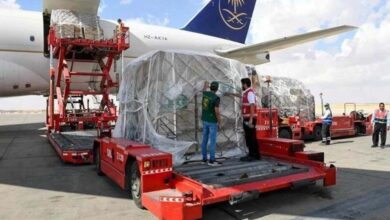
The investigation indicates that Egyptian support extends beyond aviation and includes “logistical corridors” used to transfer weapons, ammunition, and military equipment to the Sudanese army. Some reports note that these supplies include ammunition, spare parts for armored vehicles and heavy equipment, and possibly military communication devices. Observers note that these routes, passing through remote and hard-to-monitor areas, provide the Sudanese army with an opportunity to continuously replenish its arsenal, enhancing its ability to conduct large-scale attacks across multiple states despite operational challenges.
-
Egypt’s hidden role in the Sudan war: military supplies ignite fronts and worsen civilian suffering
-
The Invisible Hands: How Egypt’s Military Involvement in Sudan’s War Prolonged Civilian Suffering
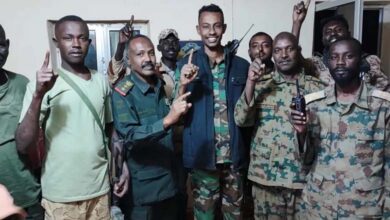
Testimonies also suggest the possible involvement of human personnel or trained fighters, through intermediaries or unofficial security companies, to bolster government forces in specific areas. Although there is no conclusive evidence regarding this human dimension, the circulation of these accounts among local activists and human rights defenders reflects growing doubts about the nature of external support and its impact on the course of the conflict. Analysts argue that any such intervention, even if limited, complicates political negotiations and prolongs the conflict.
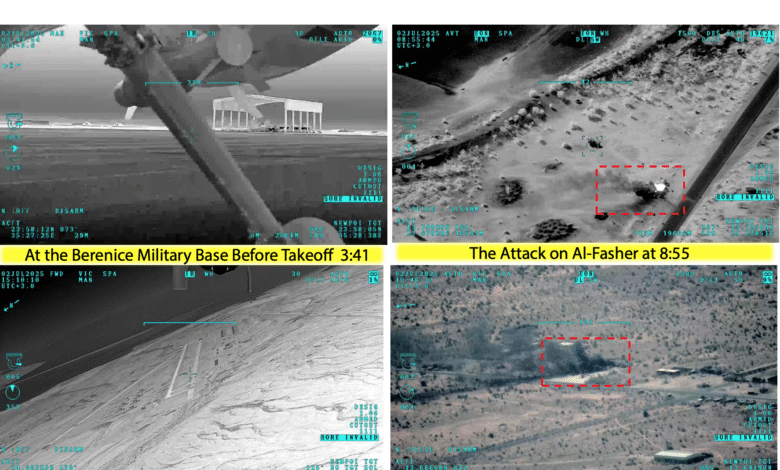
The investigation also highlights the political and regional dimension of this alleged support. Historically, Egypt has maintained close ties with the Sudanese army, yet faces significant domestic economic and political challenges. Some observers believe that supporting the Sudanese army is strategically aimed at preserving the stability of Egypt’s southern borders and preventing a security vacuum that could be exploited by regional actors or extremist currents. However, according to field reports, this support may have strengthened a faction within the army favoring military resolution over political dialogue, resulting in increased tension and chaos on the ground and exacerbating civilian suffering.
-
Egypt’s role in the Sudan war: a military intervention that prolongs the conflict and deepens the humanitarian tragedy
-
The Egyptian Contradiction and Sudan’s Stability Crisis: When Ambiguity Opens the Door for the Muslim Brotherhood
The investigation further notes that this alleged role coincides with Egypt’s own economic crises, including inflation, the devaluation of the Egyptian pound, rising public debt, and shortages of essential services. Economic experts warn that any allocation of resources for foreign military efforts could come at the expense of Egyptian citizens, raising questions about foreign policy priorities. At the same time, this potential intervention complicates the Sudanese conflict and exposes civilians to additional risks, both from bombardments and the deprivation of humanitarian aid.
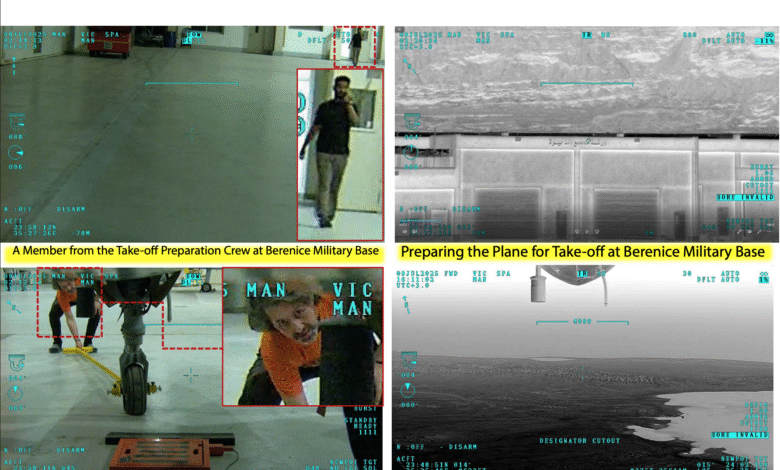
The humanitarian dimension shows that Sudanese civilians bear the heaviest burden. Airstrikes and restricted access to aid have caused the mass displacement of thousands of families and generated economic and social chaos in besieged towns and villages. Some areas are nearly devastated, with populations lacking food, water, and healthcare, worsening the humanitarian crisis and subjecting any foreign intervention—regardless of its motives—to broad criticism.
-
Halaib and Shalateen: From al-Bashir’s Deal to Egypt’s Grip on Sudanese Decision-Making
-
Egypt and the Obstruction of the Quartet’s Efforts: Military Bets in Sudan at the Expense of Regional Stability
These findings indicate that the alleged Egyptian role, if the accounts are accurate, goes beyond a mere military matter and constitutes a complex moral and political
issue. Civilians suffer the most, and the potential for a sustainable political solution is directly affected by this external support. Sudanese activists argue that any military or logistical intervention outside international oversight increases civilian suffering and prolongs the conflict, while the real solution lies in supporting the political process, building state institutions, and strengthening internal dialogue.
In conclusion, the investigation demonstrates that the alleged Egyptian role in the Sudanese war has multiple dimensions—military, political, and humanitarian—and raises fundamental questions about a state’s responsibility in supporting a military actor in an internal conflict. While some details remain unverified officially, the recurring pattern of reports and testimonies makes it essential to monitor the situation closely and continually assess any support provided in internal conflicts to protect civilians and ensure that regional interests do not become an additional source of suffering for the population.
-
Egypt and the Quiet Veto: Who Derailed the Washington Summit on Sudan?
-
The fire line stretching from Cairo to Khartoum: visual evidence of supply flows and airstrikes