Iran faces the most dangerous total war with Israel and the United States
Pezechkian accuses Washington and Tel Aviv of encircling his country, exerting pressure, and disrupting trade.
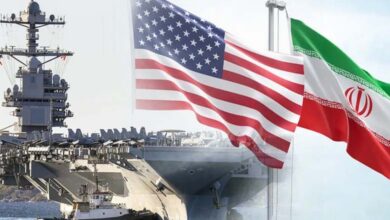
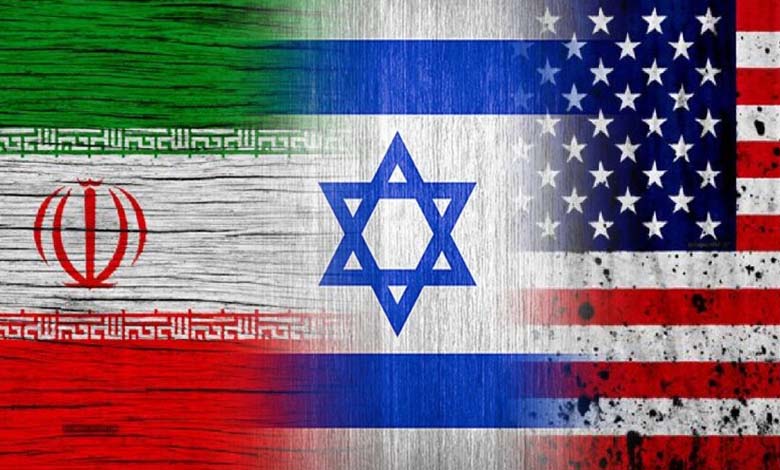
Iranian President Massoud Pezechkian stated that his country is in a state of “total war” with the United States, Israel, and Europe — a conflict he considers more dangerous than the war with Iraq between 1980 and 1988.
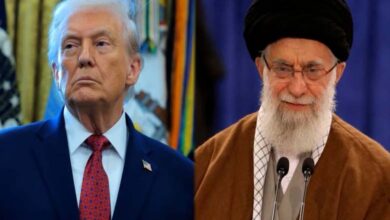
In an interview published Saturday on the official website of Iran’s Supreme Leader Ali Khamenei, Pezechkian accused the United States, Israel, and several European countries of supporting the collapse of Iran. He added: “We are in a total war with the United States, Israel, and Europe. This war is more dangerous, more complex, and more difficult than the war with Iraq.”
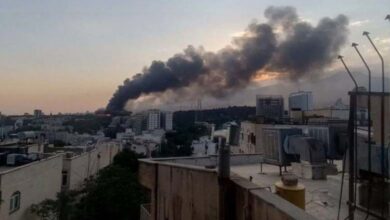
Recent joint investigative reports revealed detailed information about one of the most extensive military and intelligence operations targeting Iran in decades. Israel, with direct and indirect U.S. support, reportedly launched a multi-layered campaign against Iran’s nuclear program, involving the assassination of senior scientists, strikes on enrichment facilities, and the neutralization of air defenses, as part of what became known as “Operation Narnia,” itself included in a broader campaign called “Rising Lion.”
According to the Washington Post, preparations for war were nearly complete. Dozens of trained agents working for Israel were already inside Iran, equipped with new advanced weapons. Israeli Air Force pilots were on standby, awaiting orders to strike Iran’s nuclear infrastructure, ballistic-missile launch sites, and air-defense systems. After lengthy debate, Israel and the United States — its main backer — reportedly reached a rough understanding of how close Tehran might be to acquiring a nuclear weapon, while diplomatic maneuvers were used to distract Iran from a looming attack.
Pezechkian noted: “During the war with Iraq, the situation was clear — they launched missiles and we knew where to respond. Today, they surround us from every direction, apply pressure, obstruct our trade, and raise expectations inside society across many sectors.”
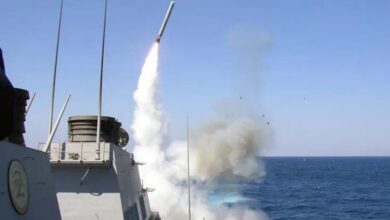
On June 13, Israel launched, with U.S. backing, an attack on Iran that lasted twelve days. Tehran retaliated before the United States announced a ceasefire.
The events included U.S. strikes on Iranian nuclear facilities. Israel and the United States accuse Iran of seeking to produce nuclear weapons, while Tehran says its program is for peaceful purposes, including electricity generation.
The wide-ranging Israeli and U.S. attacks on Iran’s nuclear program shook the Middle East, fueled Iran’s desire for retaliation, and, for now, undermined the prospect of a diplomatic agreement that would restrict Tehran’s nuclear activities under strict international oversight.
Israel considers Iran its arch-enemy, and the two sides have traded accusations for years over sabotage operations and cyberattacks.
Israel frequently announces the arrest of alleged spies working for Tehran. Most recently, police announced the arrest of an Israeli man accused of filming the surroundings of former Prime Minister Naftali Bennett’s home at the direction of Iranian intelligence.
In a statement, police said that, together with the domestic security agency (Shin Bet), they had arrested a resident of Rishon LeZion, south of Tel Aviv, on suspicion of filming near Bennett’s residence.
They reported that Vadim Kobrianov, a 40-year-old Israeli, was arrested in December 2025 on suspicion of committing security offenses under the direction of Iranian intelligence officials.
According to police, Kobrianov took photographs near Bennett’s home, communicated with Iranian officials, and was instructed to purchase a dash camera to carry out the task. He allegedly carried out various security-related missions and delivered images he captured in his city and elsewhere, receiving different amounts of money in return. At the end of the investigation, the central prosecutor’s office is expected to file an indictment against him before the Lod court.
A few days earlier, Israeli media reported that an Iranian group had hacked Bennett’s phone, which contained contact numbers for senior security officials.
Over the past two years, Israeli authorities have periodically announced the arrest of dozens of Israelis suspected of collaborating with Iran, which has remained silent about these reports. Most face charges that include monitoring former and current Israeli officials, photographing military, security, and strategic sites, and writing slogans on walls in exchange for payments in digital currencies.
In June, Israel — with U.S. support — waged a war against Iran that lasted twelve days, to which Tehran responded, before the United States announced a ceasefire.