Is it healthy to take aspirin every day? Experts explain
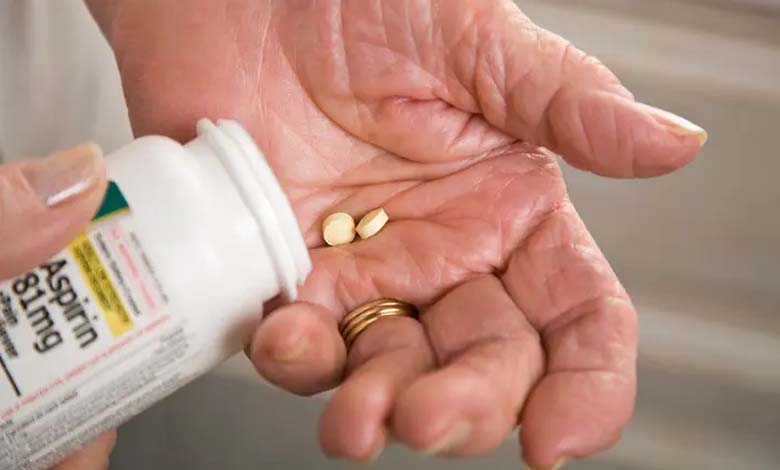
For many years, aspirin was seen as a kind of universal remedy. It helped reduce pain, fever, and inflammation, and it was often used to protect the heart. But an important question remains: is it really healthy to take aspirin every single day?
Modern research shows that the answer is not simple. Aspirin can be helpful for specific patients, but daily use without medical supervision can also be risky.
-
Expired Medications: Are They Safe Beyond Their Expiration Date?
-
Caffeine: an effective and surprising remedy for headache relief
How aspirin works in the body
Aspirin belongs to the group of non-steroidal anti-inflammatory drugs. It reduces substances that trigger pain and fever. In low doses, it also makes platelets less sticky, which lowers the chance of forming blood clots.
This is why doctors once prescribed it widely to reduce the risk of heart attacks and strokes.
Why it was once recommended daily
In the past, many adults at high cardiovascular risk were advised to take a low dose daily. The goal was to prevent clots that could block arteries in the heart or brain.
For people who have already had a heart attack, a stroke, or certain heart procedures, aspirin may still be part of a carefully supervised treatment plan. In those cases, the benefit can outweigh the risk.
The risks you should know about
Today, experts are much more cautious. Aspirin may cause:
- stomach irritation
• digestive ulcers
• internal bleeding
• interactions with other medications
Because it thins the blood, bleeding can last longer and become dangerous. Even small doses can sometimes cause complications.
-
Tramadol: Why you should be wary of this powerful painkiller
-
Expired Medications: Are They Safe Beyond Their Expiration Date?
Updated guidance: more caution
Many medical organizations now advise against daily aspirin for people with no history of heart disease, except in special cases. Studies show that for some individuals, bleeding risks may outweigh possible protection.
Doctors now look at many factors before deciding: age, personal history, blood pressure, cholesterol, diabetes, lifestyle habits, and current medications.
What about teenagers and young people?
For adolescents, aspirin should never be taken daily without medical advice. In certain viral illnesses, it is linked to rare but serious complications. Safer alternatives usually exist.
Self-medication, especially long-term, is not recommended.
-
Does stress threaten the dream of motherhood?
-
Common Spices That May Cancel Out the Effects of Medications
When aspirin still has a role
Aspirin remains important in specific medical situations, such as secondary prevention after heart problems or other conditions chosen and monitored by specialists. The decision must always be individualized.
Key takeaways
- daily aspirin is not appropriate for everyone
• it may help some patients under medical supervision
• it carries real bleeding risks
• every decision should be discussed with a doctor
Aspirin is not just a harmless daily pill. It is a powerful medication that can be lifesaving in some situations, but harmful in others. Before starting it every day, it is essential to consult a healthcare professional, weigh the personal risks, and avoid self-prescribing.
-
reasons for sudden high blood pressure… Know these reasons
-
When does teeth grinding in children become a concern?