Israel expands its strikes in Lebanon as the ceasefire returns to the negotiation table
Ongoing and scattered Israeli airstrikes in Lebanon have brought the ceasefire agreement back into the spotlight, as meetings are held to assess its progress.
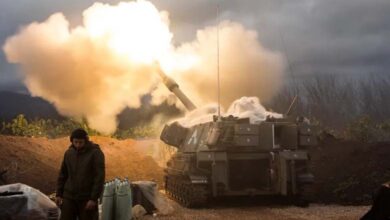
Since last Monday, Israel has intensified its strikes on several areas in southern and eastern Lebanon, saying it targeted military infrastructure belonging to Hezbollah and Hamas.
The strikes come on the eve of a meeting of the committee tasked with monitoring the implementation of the ceasefire, as well as a session of the Lebanese government.
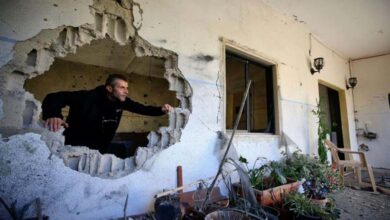
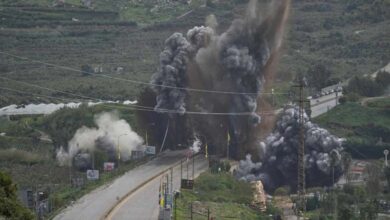
The bombardment that hit the town of Kfardounine, in the Bint Jbeil area in the south, on Tuesday afternoon left two people dead, according to figures from the Lebanese Ministry of Health.
In a statement, the Israeli army said it had killed two Hezbollah members, describing one of them as an “engineering specialist.”
According to the statement, the two men “were working to restore Hezbollah’s military infrastructure.”
Commenting on Monday’s strikes, the Israeli army explained that it had targeted “several pieces of military infrastructure belonging to Hezbollah and Hamas in various areas across Lebanon.”
These locations included “weapons depots and military buildings above and below ground,” used by Hezbollah to “rebuild” its capabilities.
The Israeli strikes also targeted “weapons-production facilities belonging to Hamas in southern Lebanon, which were used to arm the organization and support plans against Israel,” the statement added.
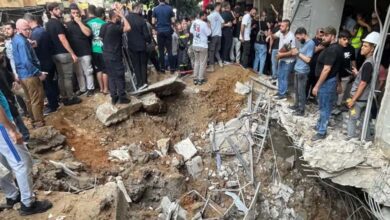
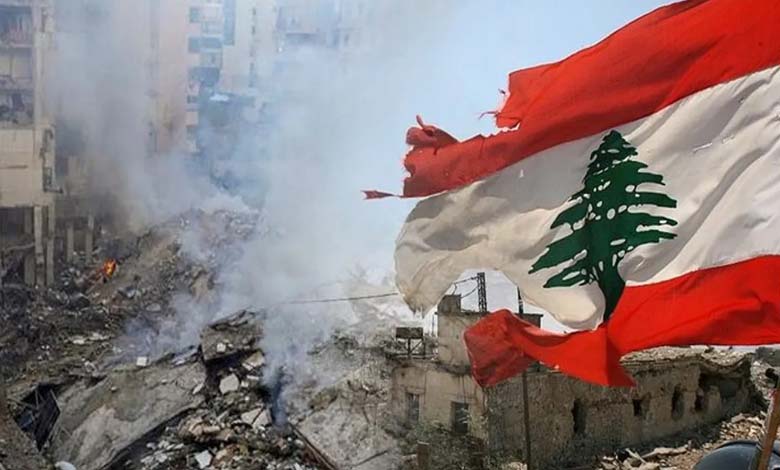
Similar strikes at dawn hit a three-story building in the industrial area of al-Ghaziyé, near the coastal city of Sidon, about forty kilometers from Beirut.
The strike destroyed the building completely, damaged nearby structures, and caused a fire that firefighters worked to extinguish, according to an AFP photographer at the scene.
Lebanese condemnation
Lebanese President Joseph Aoun condemned the Israeli strikes on Wednesday morning, saying in a statement that “Israel’s continued aggression aims to thwart all efforts being made locally, regionally, and internationally to stop the ongoing escalation.”
He stressed that this is happening “despite Lebanon’s cooperation,” pointing to the government’s assertion of control over the area south of the Litani River — stretching about 30 kilometers from the Israeli border — and the deployment of the Lebanese army there, in line with ceasefire provisions requiring the disarmament of Hezbollah beginning in that region.
Meetings amid pressure
The latest attacks precede a meeting on Wednesday of the ceasefire monitoring committee, which includes representatives from the United States, France, the United Nations Interim Force in Lebanon (UNIFIL), as well as Lebanon and Israel.
UN Under-Secretary-General for Peace Operations Jean-Pierre Lacroix is visiting Lebanon, where he met with UNIFIL and said the force “is carrying out its mandated tasks under increasingly difficult and dangerous conditions.”
Lacroix is also scheduled to meet Lebanese officials on Wednesday.
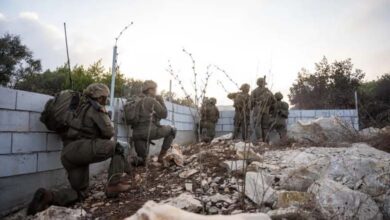
On Thursday, the Lebanese Cabinet will convene to hear from army commander Rudolf Haikal on the progress made in implementing the government plan to disarm Hezbollah, amid U.S. pressure and fears that Israel could widen its operations after more than a year of destructive conflict with Hezbollah.
Under the plan, the army is expected to complete the disarmament process in the area south of the Litani River by the end of 2025, before gradually extending the mission to other regions.
Lebanese officials say the army has completed the first phase of the plan, while Israel questions the effectiveness of these steps and accuses Hezbollah of rebuilding its military capabilities.