Khartoum and Asmara: The Shadow Alliance Against Ethiopia
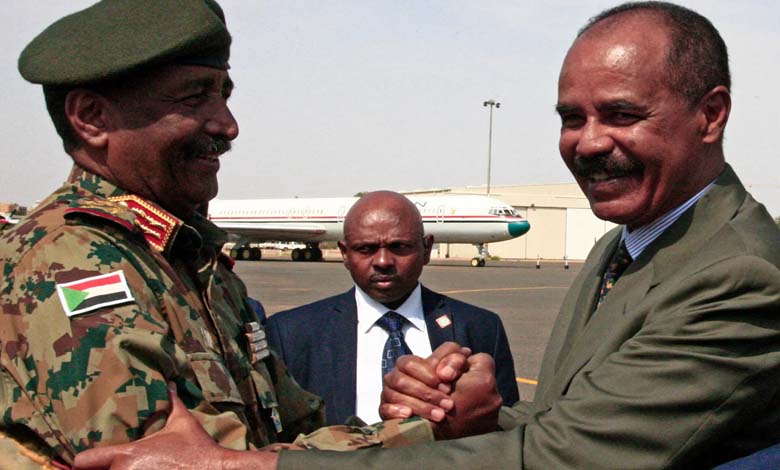
In recent weeks, unprecedented activities have been observed along the Sudan-Ethiopia border, with informed sources confirming the presence of the President of the Tigray People’s Liberation Front (TPLF) in Sudan. This move has drawn the attention of observers and political analysts both regionally and internationally. According to sources, this is not a routine visit or standard meetings, but rather the construction of a regional alliance involving Sudan, Eritrea, and several states supporting the Sudanese army, aimed at conducting targeted operations within Ethiopia to destabilize the central government.
-
Regional Tensions Escalate: The Tigray People’s Liberation Front and the Khartoum-Asmara Alliance
-
Khartoum at the Heart of the Ethiopian Crisis: Movements of the Tigray People’s Liberation Front
Analyses indicate that this alliance focuses on logistical and political support for the TPLF, including providing safe sites for member training, secure weapons transit, and direct intelligence coordination with Khartoum and Asmara. Regional experts note that this represents a qualitative shift in the dynamics of the Ethiopian conflict, which is no longer merely an internal ethnic struggle but a stage for regional alliances affecting security and stability on a broader scale.
From the Sudanese perspective, this move is part of a strategy to strengthen Khartoum’s influence in the Horn of Africa and achieve specific military and political objectives. Sudan, facing numerous internal challenges, appears to seek to expand its influence by supporting certain Ethiopian factions, reflecting a high level of strategic planning and coordination with regional partners.
-
Shifts in the Relationship Between Khartoum and Addis Ababa Amid a Potential Rapprochement with Tigray
-
Could Tigray Become a Leverage Tool in the Indirect Confrontation Between Sudan and Ethiopia?
Eritrea, for its part, provides intelligence and field support to the TPLF, leveraging its extensive experience in previous Ethiopian conflicts. This support includes monitoring government troop movements, providing precise information on strategic sites, and participating in operational planning for limited military actions targeting sensitive infrastructure or strategic locations.
Observers point out that this alliance also has purely political dimensions, sending multiple messages: to the Ethiopian government, signaling that regional powers can influence domestic affairs; and to the international community, that ethnic conflicts are no longer solely internal disputes but part of larger geopolitical struggles requiring careful international monitoring.
-
Forced Return – A major crisis facing Sudanese refugees and those fleeing from war in Eritrea
-
Balancing Power in the Horn of Africa: A Strategic Reading of Tigray’s Presence in Sudan
Humanitarian dimensions cannot be ignored, as any potential military escalation could trigger new waves of displacement and increase pressure on local communities in border areas, including shortages of food, water, and essential services. These humanitarian challenges will complicate international relief efforts and may place some organizations in a difficult position between adhering to their principles and responding to rising security risks.
From a military perspective, the alliance demonstrates a high level of coordination among the different parties. Sudan provides logistical and secure support for the TPLF, including transporting weapons and equipment and securing communication lines between field elements in Ethiopia and support points in Sudan. Eritrea provides intelligence support by monitoring Ethiopian army movements and identifying strategic targets for specific operations. This military integration reflects a deliberate strategy aimed at achieving political objectives through an effective and flexible military instrument.
-
Eritrean Naval Vessels Arrive in Sudan to Support the Army
-
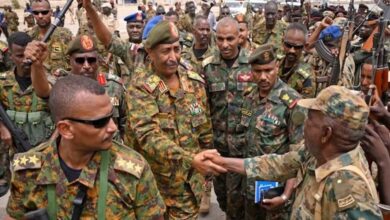
Al-Bashir’s supporters are participating in the battles alongside the Sudanese army
On the Ethiopian side, the government is making significant efforts to strengthen its border defenses, including enhancing its military forces and developing a comprehensive monitoring system linking various army units. However, internal complexities arising from ongoing ethnic conflicts make it difficult for the government to fully address this alliance, placing continuous pressure on the central leadership in Addis Ababa.
Political analysis suggests that this alliance reflects a shift in regional power balances. What was previously considered a local conflict has now become a testing ground for new alliances among regional states seeking to expand influence and achieve strategic objectives through multiple local instruments. This development demonstrates advanced regional planning and indicates potential future escalation if the situation is not managed with caution and political flexibility.
-
Scenarios of Indirect Escalation Between Sudan and Ethiopia in Light of the Tigray File Intersections
-
Debretsion Gebremichael’s Visit to Sudan: A Potential Gateway to Escalation Against Ethiopia
The international strategy toward this alliance appears hesitant. While the international community is concerned about any escalation that could threaten regional stability, direct intervention remains limited, allowing these alliances to operate within a certain degree of freedom while partially observing the avoidance of major crises that would require direct international intervention.
In conclusion, the situation remains complex and intertwined, combining military, political, and humanitarian considerations. The Khartoum-Asmara-TPLF alliance reflects new dynamics in the Horn of Africa and raises questions about Ethiopia’s capacity to maintain internal stability and the international community’s ability to manage the unfolding crisis. The near future will be crucial in determining whether this alliance succeeds in achieving its objectives or drives the region toward a broader escalation with long-term consequences for regional security and stability.
-
Sudan’s moves toward Tigray: Between security calculations and rising tensions with Ethiopia
-
A Regional Alliance Against Ethiopia? Interpreting the Implications of Tigray Movements in Sudan
-
Sudan–Ethiopia Tensions: Is the Tigray Card Turning into a Military Pressure Tool?
-
They Infiltrated from Puntland: Ethiopia Arrests Dozens of ISIS Fighters