Nine waves in a quarter century: the history of protests in Iran
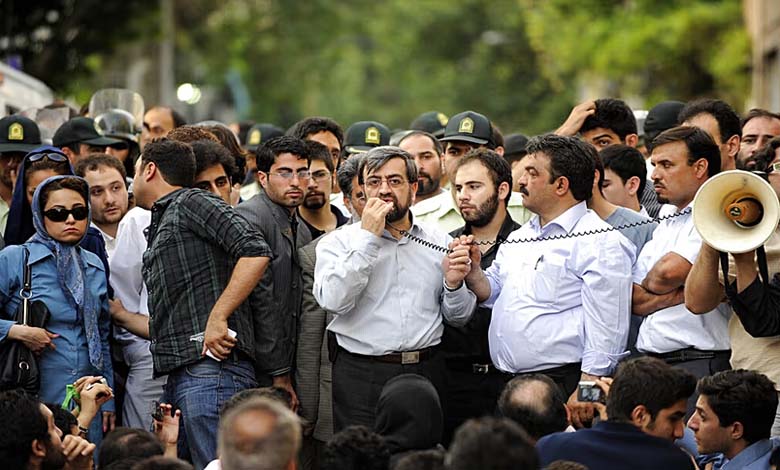
The current protests in Iran bring back to the forefront a long history of street movements driven by different causes over the past 25 years.
In recent days, Iran has witnessed widespread demonstrations, starting in Tehran’s bazaar and quickly spreading to cities and universities, becoming the largest unrest since 2022.
-
Iran protests: a growing movement, escalating military rhetoric, and a watching world
-
Iran draws up a list of Israeli and U.S. targets in response to a potential attack
The present wave began with an economic shock: the collapse of the rial, accelerating inflation, and rising unemployment fueled anger among shopkeepers, traders, the urban middle class, and students.
In the Grand Bazaar of Tehran and in the Lalehzar and Aladdin markets, merchants closed their shops and took to the streets with a clear message: economic collapse and political mismanagement cannot be separated.
The current protests share similarities and differences with previous waves. Below, the most notable protests since 1999.
-
Options for striking Iran on Trump’s table: the trigger awaits the green light
-
Iran without internet for a second day as the army comments on protests
1999: student protests
Major student demonstrations erupted in July 1999 after a reformist newspaper was shut down.
The first spark came from the dormitories of the University of Tehran, then expanded as thousands of students from other universities joined, protesting the raid on the dorms and the reported abuses during those events.
Within days, demonstrations spread to central Tehran and other cities, with clashes, road blockages, and vehicles set on fire, while political slogans intensified.
Authorities responded with sweeping security measures, including the use of force and arrests, ending the protests after several days and tightening pressure on reformist media.
-
Israel tracks Iran through three main fronts — amid fears of a surprise factor
-
From Amini to the market protests in Iran: the same anger — with a striking new feature
2007: the fuel uprising
In 2007, Iran experienced public unrest after a sudden government decision to ration fuel for private vehicles.
The move sparked protests in several cities, marked by acts of vandalism, the burning of fuel stations, and long queues at pumps.
At the time, internal criticism targeted both the decision-making process and its timing, while others viewed rationing as a step toward managing energy consumption.
2009: the Green Movement
In 2009, a massive protest wave followed the announcement of presidential election results that returned Mahmoud Ahmadinejad to office.
The movement began in Tehran before spreading nationwide and soon became known as the Green Movement.
Hundreds of thousands of Iranians took part, refusing to recognize the results, while authorities responded with security crackdowns and the arrest of reformist figures and activists.
Eventually, the authorities regained control of the streets, ending one of the most significant protest episodes in the country’s modern political history.
-
Iran redirects its nuclear program toward producing compact warheads for missiles
-
Australia examines the hypothesis of an Iranian link to the armed attack in Sydney
2017: social protests
In late 2017, Iran saw protests with social and economic motivations, beginning in Mashhad before spreading to Tehran and other provinces.
They unfolded amid worsening living conditions, rising prices, and unemployment.
Protesters raised economic demands and criticized government policies, while some areas witnessed unrest and confrontations that resulted in casualties.
During this period, authorities restricted access to certain social media platforms, saying the step aimed to curb calls for demonstrations.
-
Iranian insistence on sponsoring Hezbollah tests the limits of Lebanese sovereignty
-
Washington targets Iran’s weapons supply lines beyond Gulf waters
2018: the water crisis
In 2018, protests broke out in several agricultural regions as drought and water scarcity worsened.
Farmers demonstrated after losing access to water resources, accusing local officials of diverting supplies elsewhere in exchange for bribes.
These movements coincided with accusations of mismanaging water resources, as authorities responded with security measures and promises of reforms.
-
Russia’s slowdown makes China Iran’s most important supplier of weapons
-
In Search of Answers: Draft Resolution at the IAEA Board of Governors to Increase Pressure on Iran
2019: fuel returns to the forefront
In 2019, widespread protests erupted after the government raised fuel prices and introduced a new rationing system for gasoline.
The demonstrations quickly turned into unrest in several cities, including attempts to damage energy facilities.
With a broad security deployment, the protests were contained within days.
-
Strategic Warning: A Muslim Brotherhood–Houthi network backed by Iran threatens Red Sea security
-
Washington Conditions Any Withdrawal from Iraq on the Dismantling of Pro-Iran Militias
2021: water again
In 2021, new demonstrations erupted over water shortages, most notably in Isfahan, where thousands of farmers gathered to demand the restoration of the Zayandeh Rud river flow.
The government apologized and promised to address the crisis, while authorities blamed unprecedented drought.
During the same period, limited protests were reported in Tehran over power outages, accompanied by criticism of government performance.
-
The Escalation of Confrontation: The Drone Crisis Exposes the Fragility of Iranian Diplomacy in Europe
-
Iran comments on Trump’s plan: We support any initiative to stop the fighting in Gaza
2022: the Amini protests
The year 2022 marked a turning point, as economic grievances overlapped with broader social and political demands.
Alongside protests over water and soaring food prices, an unprecedented wave erupted in September after the death of Mahsa Amini while in custody.
These demonstrations were notable for their geographic spread and rising slogans focusing on freedoms and the political system.
Over time, the intensity of the protests declined amid a heavy security presence.
-
New Blow: First U.S. Sanctions on Iran After Snapback
-
Sanctions on Iran Threaten the Regime as Public Anger Grows