Nuclear Threat: Worst-case scenario raises WHO concerns amid Iran war
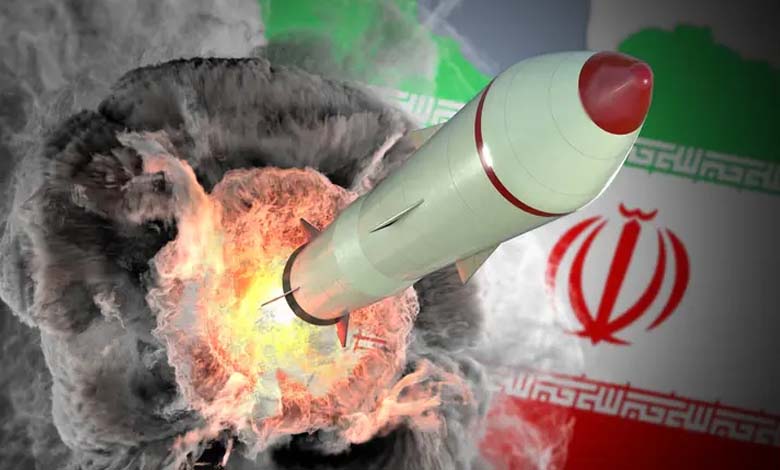
World Health Organization (WHO) officials are preparing for a potential nuclear catastrophe in the event of an escalation in the U.S.-Israeli-Iranian war.
In an interview with Politico, Hanan Balkhi, WHO Regional Director for the Eastern Mediterranean, stated that UN personnel are monitoring the consequences of U.S. and Israeli strikes on Iranian nuclear sites and remain on high alert for any nuclear threat.
Balkhi said, “The worst-case scenario is a nuclear incident, and that worries us more than anything else… No matter our level of preparedness, nothing can prevent the damage that would be inflicted on the region, and indeed the world, should it occur, with consequences lasting for decades.”
She explained that staff are prepared for a nuclear incident in the broadest sense, including an attack on a nuclear facility or the use of a nuclear weapon, adding, “We are considering it, and we hope it will not happen.”
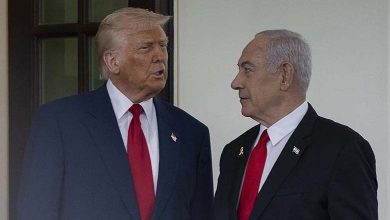
U.S. President Donald Trump has pledged to “eliminate the imminent nuclear threat posed by the Iranian regime.”
Last June, the United States, in coordination with Israel, targeted Iran’s nuclear infrastructure nationwide. The Iranian Atomic Energy Organization confirmed attacks on its sites in Fordow, Isfahan, and Natanz.
Since the start of the current war on February 28, the United States and Israel have continued to target Iranian nuclear facilities.
Israel also possesses nuclear facilities within range of Iranian missiles, but no reports have indicated attacks against them so far. It is widely believed that Israel maintains a substantial nuclear arsenal.
To date, no signs of radioactive contamination have been detected in the region. However, in the event of a nuclear accident exposing people to dangerous radiation levels, they would be at risk of severe immediate damage to the lungs and skin, and face heightened risks of cancer and mental health issues, according to Balkhi.
In 1986, the nuclear accident at the Soviet Chernobyl power plant in Ukraine officially killed around 30 people in the first few months, later contributing to a sharp rise in thyroid cancer cases numbering in the thousands, and causing decades of intense anxiety among local populations.
Balkhi stated, “I think anyone who studies the history of previous incidents, whether deliberate or accidental, fully understands what we are talking about.”
Estimates suggest that between 110,000 and 210,000 people were killed by the U.S. nuclear bombings of Hiroshima and Nagasaki in Japan in 1945.
With the ongoing war in Iran, some senior officials have speculated about the potential use of nuclear warheads.
David Sacks, Trump’s AI intelligence advisor, expressed concern about “Israel escalating the war by considering the use of a nuclear weapon,” which U.S. President Donald Trump rejected, saying, “Israel will not do that.”
The WHO conducts training for its staff on how to respond in the event of a nuclear incident, including advising authorities on public health risks and measures that people should take to protect themselves.
Balkhi also warned of possible serious health effects, such as respiratory illnesses, following earlier strikes on Iranian oil facilities that blanketed Tehran in smoke.
Meanwhile, the WHO continues to condemn attacks on health infrastructure in the region. Since the start of the war, 46 attacks on health workers have been recorded in Iran and Lebanon, resulting in 38 deaths.
Additionally, Israel killed 14 health workers in Lebanon in two airstrikes on March 13, one of which targeted the Burj Qallawi Primary Health Care Center in the south of the country.