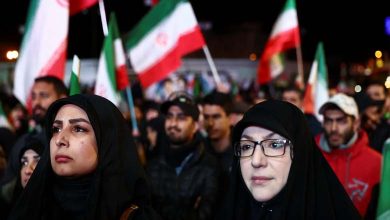
Pakistani mediation: international lifeline or risky gamble?
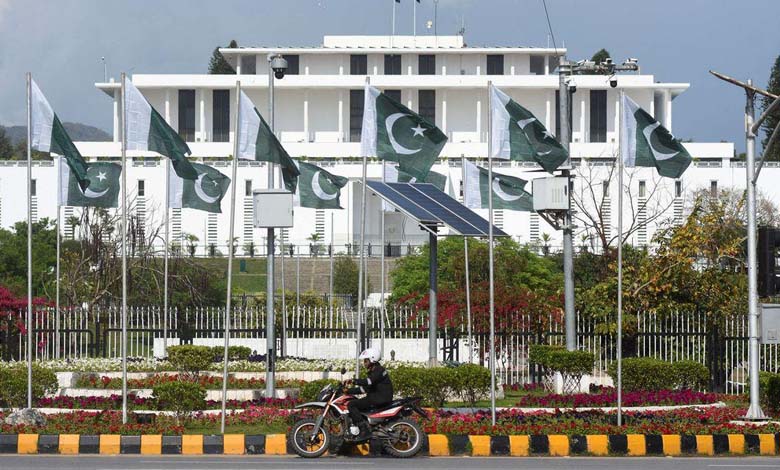
Pakistan is set to raise, during Saturday’s talks, the concerns of Gulf states allied with Washington, and will push to expand the ceasefire between Washington and Tehran to include Lebanon.
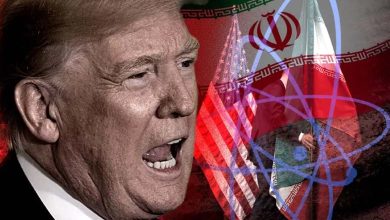
Pakistan is under enormous pressure to accomplish what diplomats describe as a “mission impossible”: mediating a historic peace agreement between Iran and the United States. These efforts aim to secure global economic stability while ensuring the protection of negotiators from both sides engaged in tense exchanges over a fragile truce.
For weeks, Pakistan’s army chief, Field Marshal Asim Munir, and Prime Minister Shehbaz Sharif have been engaged in intensive diplomatic activity to defuse a war that could destabilize Pakistan’s western borders with Iran and Afghanistan, particularly after recent exchanges of fire between Islamabad and Kabul.
Authorities imposed a de facto lockdown on large parts of the capital Islamabad on Thursday as Iranian officials arrived, while the U.S. delegation is expected to follow. Analysts say the main goal of Pakistan’s mediation is to bring Washington and Tehran to the “Saturday table” to forge a lasting agreement.
In this context, Kamran Bokhari, a resident scholar at the Middle East Policy Council, said: “Pakistan does not want the war to plunge Iran into chaos, as this would further worsen an already deteriorating security situation along its western borders.”
Islamabad’s current role marks a major turning point in its political trajectory after having been diplomatically sidelined until recently. Therefore, the success of Saturday’s dialogue would strengthen its newly gained international standing.
Muhammad Faisal, a security analyst at the University of Technology Sydney, warned: “Pakistan has publicly invested its political capital in this mediation; if the talks collapse, it risks being seen as a state that overpromises and underdelivers.”
The luxury Serena Hotel Islamabad has been turned into a military barracks, fully evacuated and surrounded by cordoned-off roads. Police have intensified checkpoints and patrols, in measures exceeding routine protocols, including airspace monitoring and placing emergency services on maximum alert.
These arrangements reflect Pakistan’s concerns over threats from domestic armed groups and fears that any security breach could derail this fragile diplomatic opening, especially after the suicide attack in the capital last February.
According to Bokhari, the administration of President Donald Trump selected Munir and Sharif based on the belief that Pakistanis can exert real influence on Tehran, not merely relay messages. He added: “As the process develops, Pakistanis are also gaining American trust, which gives them room to influence Washington’s perspective.”
Pakistan is also expected to raise Gulf states’ concerns during Saturday’s talks and will push to extend the ceasefire to include Lebanon. Sources revealed that Iran was preparing to respond to attacks targeting Lebanon on Wednesday, had it not been for Pakistani intervention that prevented the retaliation.
Despite Islamabad’s current credibility, the greatest challenge remains its ability to secure meaningful concessions to reopen the strategically vital Strait of Hormuz. Elizabeth Threlkeld, Director of the South Asia Program at the Stimson Center, said: “What Pakistan lacks is the leverage to compel both sides to make major concessions if political will is absent, which is a fundamental constraint requiring extremely careful handling.”