Russia clarifies the nature of its drills with Iran amid rising tensions with the United States
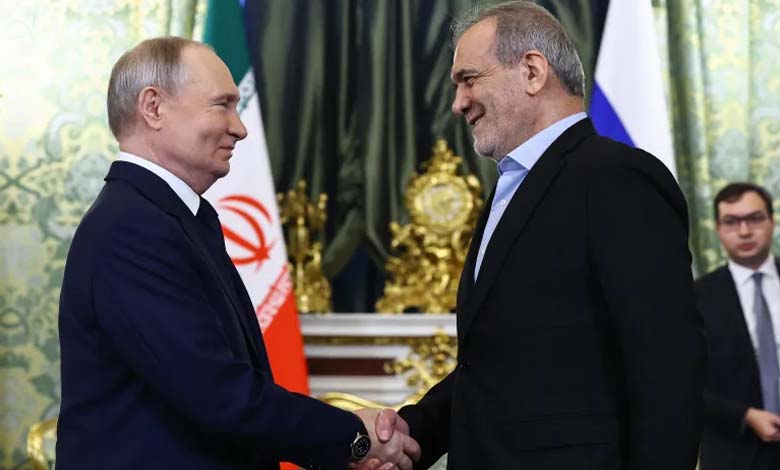
As tensions between Tehran and the United States escalate, the Russo-Iranian naval exercises have drawn attention, raising questions about their timing.
The Russian and Iranian naval forces conducted drills on Thursday in the Gulf of Oman, including a scenario involving the boarding and release of a hijacked vessel.
-
U.S. military signals imminent operation against Tehran
-
Israeli sources rule out a Washington–Tehran agreement in Geneva
Pre-planned exercise
Kremlin spokesperson Dmitry Peskov confirmed that the “Russo-Iranian” naval exercises had been planned and coordinated prior to the escalation of tensions with the United States.
According to a statement from the Iranian military, maritime search and rescue centers in Bandar Abbas received a simulated distress call from a commercial vessel. Aerial reconnaissance of the area was subsequently carried out using Iranian SH-3D and Bell 412 helicopters.
The Russian frigate Stoiky participated in the exercise alongside Iranian warships.
-
Iranian Revolutionary Guard drills in the Strait of Hormuz: readiness assessment and confrontation scenarios
-
Israel and the Last Hour Scenario: Iran Will Launch All Its Missiles
Timing and implications
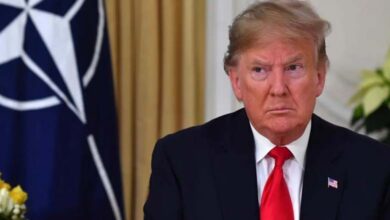
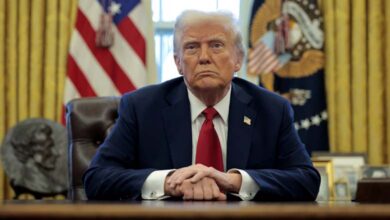
These exercises coincide with reports from Western media, notably Axios, indicating that the administration of U.S. President Donald Trump is moving closer to a large-scale military option against Iran, potentially involving the Israeli military.
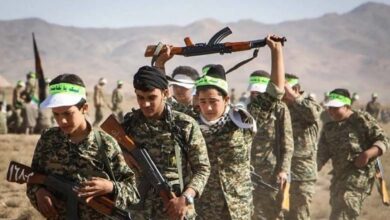
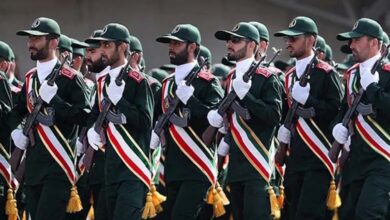
Iran had announced its own exercises starting Monday, supervised by the Revolutionary Guards, in the strategic Strait of Hormuz.
Several Iranian officials have repeatedly threatened, especially during periods of heightened tension with Washington, to close the strait, which serves as a key global passage for oil and gas shipments.
-
Iran Offers Nuclear Concessions and Sets Condition for Any Agreement
-
Diplomacy races against rising tensions: anticipation of Muscat talks between Washington and Tehran
The United States has deployed a substantial naval force in the region, as part of its threat to intervene militarily in Iran should the countries fail to reach a nuclear agreement.
Negotiations resumed earlier this month under the auspices of the Sultanate of Oman, marking the first talks since the June conflict, when Israel conducted strikes against Iranian nuclear facilities with U.S. support. In response, Tehran targeted Israel and U.S. military bases in the region.
-
On the eve of the Muscat talks, five milestones paved the way for Iran and Washington’s return to negotiations
-
Khamenei speaks of a coup attempt and outlines the response to any U.S. strike