South Yemen Unifies Its Ranks Against the Houthis: Securing the Rear Before Moving Toward Sanaa
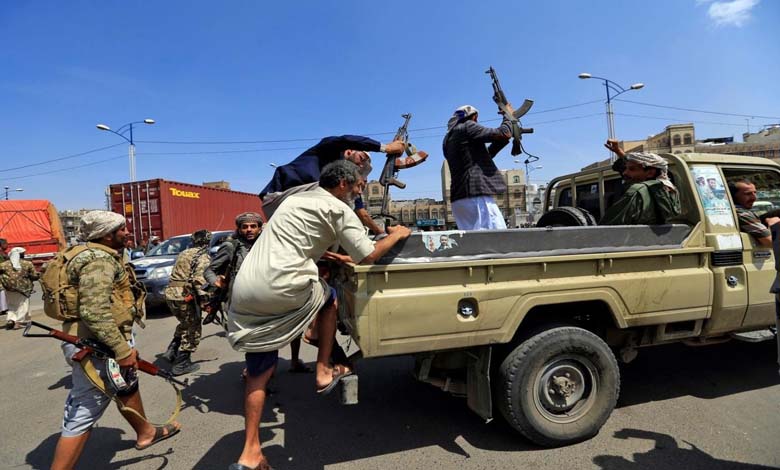
Some liberated areas in Yemen have long constituted a vulnerable flank through which military supplies and smuggling operations benefiting the Iran-backed Houthi militias passed.
Because of the danger posed by the continuation of these covert activities in regions outside state control, and their impact on prolonging the Houthi war against Yemenis, it became necessary to unify the entire operational theater under a single political authority.
This is reflected in the recent actions of the Southern Transitional Council, which redeployed local forces alongside the National Shield Forces in Wadi Hadramout and Al-Mahra, with the goal of fortifying South Yemen and preparing to deter the Houthis.
These moves, which have enjoyed broad public support, fall within efforts to unify the political and security framework in southern Yemen, in order to confront the Houthi militias that continue to threaten the liberated provinces, according to observers.
The Transitional Council stated, after spreading its forces eastward, that it is focusing on unifying the operational theater of its armed forces to enhance coordination and readiness, support stability in the South, and confront the Houthis.
It emphasized that “the era of internal skirmishes is over, and the artery that once supplied the Houthis from the southern regions has been severed.” It also underscored “the importance of unity under the banner of liberation, with Sanaa as the next objective, whether through political or military means, until rights are restored and aggression is defeated.”
Cutting Smuggling Routes
In this context, Yemeni researcher and director of the South24 Center for Studies and News, Yaqub Al-Sufyani, notes that “the deployment of southern forces in Hadramout and Al-Mahra, and the securing of camps and vital facilities, serve primarily security-related goals.”
Al-Sufyani explained that the foremost objectives include “unifying the operational theater from Aden to Al-Mahra to defend this strategic area from any Houthi attack, preventing any vulnerable flank in the southern provinces, and supporting the areas resisting the Houthis in Marib.”
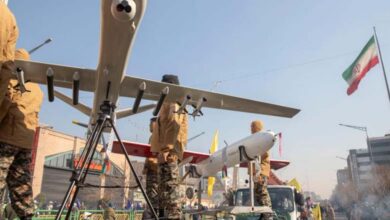
The deployment also aims to cut the supply and smuggling routes used by the Houthi militias, particularly the Al-Mahra – Wadi Hadramout – Houthi-controlled zones route, which is considered highly active in weapons and drone smuggling to the Houthis, according to Al-Sufyani.
He added that “cutting this route is important because it is also one of the main drug trafficking corridors. The issue worsened considerably in 2025, as many recently seized shipments were linked to the Houthis, suggesting expanded operations and a possible transformation of the group into a regional narcotics hub.”
Al-Sufyani also believes that one of the motives for the deployment is combating Al-Qaeda cells that have recently become active, particularly after the formation of a terrorist group known as the ‘Liberation and Construction Movement’ in Wadi Hadramout, led by Abu Omar Al-Nahdi, a senior Al-Qaeda figure who is said to have defected from the organization years ago.
Combat Effectiveness
Similarly, Yemeni historian Mahmoud Al-Salmi stated that the Transitional Council’s deployment eastward signals “the likelihood of an upcoming war against the Houthis, as their actions in the Red Sea have threatened international maritime security and harmed the economies of many countries, including Arab states.”
He stressed that “the forces affiliated with the Transitional Council have demonstrated their effectiveness in fighting the Houthis and have succeeded in pushing them back in several areas. It is likely that the Council refused to participate in any new war against the Houthis without first securing its rear in the South and cutting the smuggling routes on which both the Houthis and extremist groups relied.”
Observers believe that the unification of South Yemen under a single political authority has strengthened the Transitional Council, granting it significant military, political, and popular weight, and marking a crucial step toward moving to a phase of military deterrence against the Houthi militias.