Spanish opening toward Iran in support of de-escalation efforts
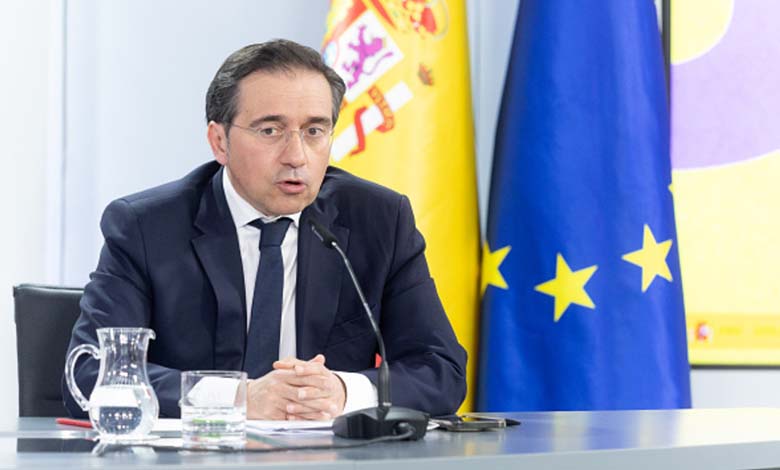
Spain’s foreign minister announces his country’s intention to reopen its embassy in Tehran and the ambassador’s return to his duties, while also criticizing the continuation of Israeli military action in Lebanon.
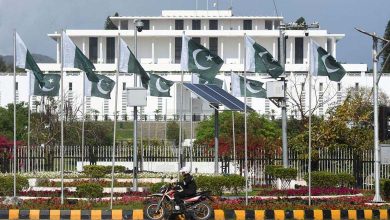
Spain’s Minister of Foreign Affairs, José Manuel Albares, announced that his country intends to reopen its embassy in Tehran as part of a move aimed at supporting de-escalation efforts. He stated that he had instructed the ambassador to resume his duties, affirming Spain’s desire to “contribute to achieving peace through all possible channels, including from within Iran.” This notable openness toward Iran aligns with a prior diplomatic stance in which Madrid distanced itself from the war declared by Washington and Tel Aviv against Iran at the end of last February, a war that ultimately concluded with a two-week truce agreement between the two sides under Pakistani mediation.
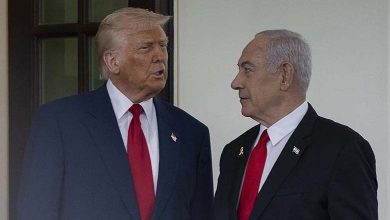
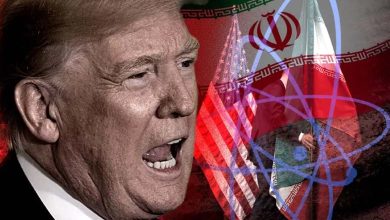
This Spanish move reflects a distinct political positioning within the Western camp. Madrid, alongside the United Kingdom, chose a more cautious path regarding involvement in the military escalation led by U.S. President Donald Trump against Iran. While Washington pushed to broaden the scope of the confrontation, Spain preferred to avoid any direct participation, focusing instead on diplomatic tools.
This divergence is not merely tactical but reveals a Spanish perspective that engagement in war could lead to broader regional destabilization, with security and economic repercussions for Europe. The closure of airspace, alongside the reopening of the embassy in Tehran, thus illustrates a dual approach based on rejecting escalation on the one hand and seeking a mediating role on the other.
Madrid is therefore working to consolidate its position as a pro-de-escalation actor at a time when the gap in positions within the Western bloc is widening between those advocating escalation and those favoring its containment through political channels.
Spain has also hardened its tone regarding Israeli military operations in the region. On Thursday, Albares accused Israel of violating international law and the ceasefire agreement following airstrikes that targeted Lebanon on Wednesday.
Speaking before Parliament, he stated: “Israel dropped hundreds of bombs on Lebanon in clear violation of the ceasefire and international law,” a stance that reflects Spain’s increasingly firm posture toward military escalation in the Middle East.
Madrid, alongside the United Kingdom, stands out as one of the Western capitals most critical of U.S. and Israeli attacks. At the height of the war, it took a notable step by closing its airspace to any aircraft that might be involved in military operations, describing the war as “reckless and illegal,” a characterization also echoed by British Prime Minister Keir Starmer.