Sudan–Ethiopia Tensions: Is the Tigray Card Turning into a Military Pressure Tool?
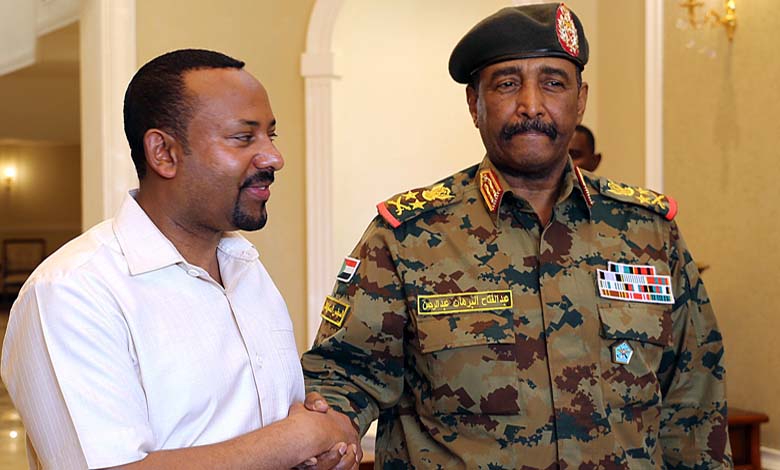
Recent developments in the Horn of Africa point to a concerning rise in tensions between Sudan and Ethiopia, amid growing indications that the Sudanese army may be leveraging its relations with Ethiopian opposition actors, foremost among them the Tigray People’s Liberation Front, as part of a broader strategy to pressure the Ethiopian government.
-
Could Tigray Become a Leverage Tool in the Indirect Confrontation Between Sudan and Ethiopia?
-
Scenarios of Indirect Escalation Between Sudan and Ethiopia in Light of the Tigray File Intersections
Since the outbreak of conflict in the Tigray region in 2020, relations between Khartoum and Addis Ababa have undergone rapid transformations, intertwining border disputes, disagreements over the Grand Ethiopian Renaissance Dam, refugee crises, and geopolitical competition in the Al-Fashaga border area. In a climate of persistent mistrust, Sudan appears to be reassessing its regional tools to strengthen both its negotiating leverage and its military positioning.
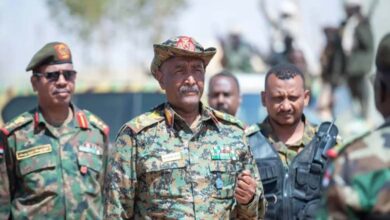
Regional reports suggest that the Sudanese army has opened channels of communication with leaders of the Tigray People’s Liberation Front, which had long served as Ethiopia’s dominant political and military force prior to the rise of the current government led by Abiy Ahmed. This move is widely interpreted as an attempt to capitalize on Ethiopia’s internal vulnerabilities, particularly amid fragile security balances.
-
Debretsion in Sudan: A Strategic Reading and Prospects for Regional Escalation Against Ethiopia
-
Sudan’s moves toward Tigray: Between security calculations and rising tensions with Ethiopia
Analysts argue that any potential support for the Tigray People’s Liberation Front could pursue multiple objectives, including creating security pressure on the Ethiopian government by threatening strategic positions or supply lines in the north. It may also serve as a political message that Sudan possesses the capacity to influence internal dynamics in its eastern neighbor should bilateral disputes remain unresolved.
From a military perspective, such initiatives could focus on strategically significant areas, including military routes, logistical facilities, or communication centers—targets capable of affecting the Ethiopian government’s ability to manage its complex security challenges. However, observers warn that such scenarios could trigger a broader regional escalation that would be difficult to contain given the fragility of the Horn of Africa.
-
The Sudan warns Ethiopia and confirms: Ready for any possibility of recovery of the straw and return of aggression
-
Ethiopia refuses Egyptian and Sudanese notices against the Renaissance Dam (GERD)’s filling
The use of non-state actors in regional rivalries also carries substantial risks, potentially complicating the security landscape and opening the door to multiple external interventions. The region’s history suggests that proxy conflicts often prolong crises rather than resolve them.
Sudanese official sources, for their part, deny any intention of direct interference in Ethiopian affairs, asserting that Khartoum’s objective is solely to safeguard its national security, particularly in light of recurring border tensions. Nevertheless, continued indications of informal contacts with Ethiopian opposition actors raise questions about Sudan’s forthcoming strategy.
In this context, the Tigray issue could evolve into a new pressure lever within the broader contest for influence between the two countries, with the potential to reshape regional security balances if it develops into tangible military cooperation.
-
Shifts in the Relationship Between Khartoum and Addis Ababa Amid a Potential Rapprochement with Tigray
-
Khartoum and Asmara: The Shadow Alliance Against Ethiopia
-
The presence of Tigray leaders in Sudan raises regional concerns: facts and realities on the ground
-
Sudan’s Regional Moves Bring the Tigray File Back to the Center of International Attention
-
Debretsion Gebremichael’s Visit to Sudan: A Potential Gateway to Escalation Against Ethiopia
-
Regional Tensions Escalate: The Tigray People’s Liberation Front and the Khartoum-Asmara Alliance