Sudan’s moves toward Tigray: Between security calculations and rising tensions with Ethiopia

The Horn of Africa is witnessing rapid developments that reflect shifts in the nature of relations between Sudan and Ethiopia, amid growing indications that the Sudanese army is opening channels of communication with leaders of the Tigray People’s Liberation Front. These moves unfold within a complex regional context in which security and political dimensions intersect, highlighting the scale of the pressures and challenges facing Khartoum in its regional environment.
-
Sudan–Ethiopia Tensions: Is the Tigray Card Turning into a Military Pressure Tool?
-
Khartoum and Asmara: The Shadow Alliance Against Ethiopia
Since the outbreak of conflict in the Tigray region in 2020, the Tigray People’s Liberation Front has emerged as one of the most prominent actors on the Ethiopian scene, after having been the dominant political force within the state for many years. Despite the subsequent signing of a peace agreement, mistrust between the Front and the Ethiopian government persists, amid fragile security arrangements and intricate internal balances.
In this context, regional assessments suggest that the Sudanese army is seeking to capitalize on internal tensions in Ethiopia to strengthen its strategic position, particularly as bilateral disputes continue over several sensitive issues. Foremost among these is the border dispute in the Al-Fashaga area, which has witnessed intermittent clashes between the two countries’ forces in recent years, in addition to disagreements related to water issues and the Grand Ethiopian Renaissance Dam.
-
Debretsion in Sudan: A Strategic Reading and Prospects for Regional Escalation Against Ethiopia
-
Scenarios of Indirect Escalation Between Sudan and Ethiopia in Light of the Tigray File Intersections
Analysts argue that any potential rapprochement between Sudan and the Tigray People’s Liberation Front could fall within a strategy of indirect pressure on the Ethiopian government, by leveraging internal dynamics to reinforce Khartoum’s negotiating position. They note that such an approach is not new in the region, where states have often cultivated ties with local actors in neighboring countries to advance political or security objectives.
From a security perspective, such a rapprochement could provide Sudan with a lever of influence in the event of escalating tensions with Addis Ababa, particularly if used to monitor military movements or affect supply lines in northern Ethiopia. However, observers warn that such policies could trigger unintended escalation, especially given the fragile security environment in the Horn of Africa.
-
A Regional Alliance Against Ethiopia? Interpreting the Implications of Tigray Movements in Sudan
-
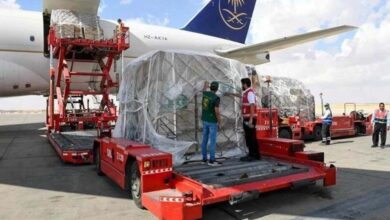
Addis Ababa Conference on Humanitarian Support for Sudan, Backed by UAE, Ethiopia & AU
Sudan itself faces significant internal challenges due to the ongoing war between the army and the Rapid Support Forces, raising questions about Khartoum’s capacity to engage in complex regional arrangements without diverting attention from its domestic priorities. Some experts suggest that external engagement at this stage may reflect an attempt by the military establishment to bolster its regional standing amid internal conflict.
By contrast, official Sudanese sources deny any intention to interfere in Ethiopia’s internal affairs, asserting that Khartoum’s actions fall strictly within the framework of safeguarding national security, particularly in light of concerns about the potential spillover of instability in Ethiopia into border areas.
-
Sudanese army denies reports on the capture of Ethiopian soldiers
-
Sudan Is Reconsidering Ethiopia’s Sovereignty over Benishangul Region
Regional and international actors are closely monitoring these developments, given the importance of Ethiopia’s stability for the security of the broader region. As one of Africa’s most populous countries, significant unrest within Ethiopia could lead to new waves of displacement and exacerbate humanitarian crises in neighboring states, including Sudan.
In light of these dynamics, the Tigray file may become a new element in the balance equation between Sudan and Ethiopia, at a time when concerns are mounting over the possibility that political rivalry could evolve into an open contest for influence.
The future of these moves will depend on several factors, including developments in Sudan’s internal situation, the level of border tensions, and the willingness of regional actors to intervene or mediate. What is clear, however, is that the Horn of Africa is entering a new phase of realignment, with each state seeking to consolidate its position in a volatile and uncertain regional environment.
-
The Sudan warns Ethiopia and confirms: Ready for any possibility of recovery of the straw and return of aggression
-
Ethiopia refuses Egyptian and Sudanese notices against the Renaissance Dam (GERD)’s filling
-
The increase of tensions on the Sudan-Ethiopia contested border