The last-hour call between Donald Trump and Benjamin Netanyahu: behind the scenes before the Iran truce
As preparations for a ceasefire between the United States and Iran were accelerating, Netanyahu moved to ensure continued military pressure on other fronts.
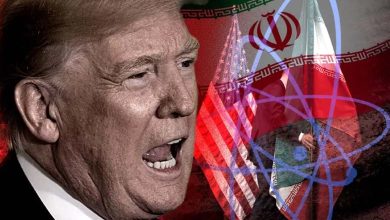
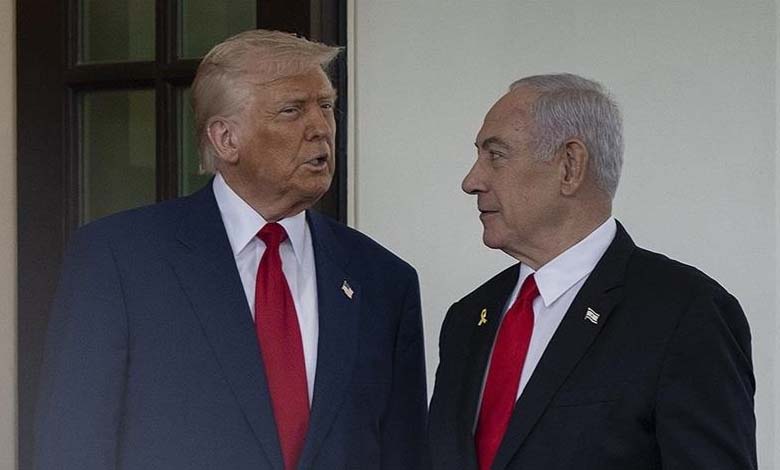
Shortly before 1:00 a.m. on Wednesday, Israel time, Prime Minister Benjamin Netanyahu received a phone call from U.S. President Donald Trump, who informed him that he was about to announce a ceasefire in the war with Iran, according to what was reported by the Wall Street Journal.
Netanyahu agreed to take part, but Israel, which was not an official party to the negotiations, was not satisfied with being informed of the agreement at such a late stage, according to the newspaper citing a source described as familiar with the conversation and the conflict mediators.
Nevertheless, Netanyahu managed to present an important request: to continue operations in Lebanon. He obtained Trump’s approval, after which Israel carried out a wide-scale airstrike targeting nearly 100 sites in just ten minutes, which reportedly angered Iran, according to the same source.
Netanyahu under criticism
Since the October 7, 2023 attack carried out by Hamas against Israel, Netanyahu has established himself as a wartime leader and has continued fighting for more than two and a half years.
Israeli forces now control buffer zones inside Gaza, Lebanon, and Syria.
However, many Israelis feel increasing fatigue from living in a constant state of war, and criticism against him is growing.
His critics and political opponents say he is using Israeli military power without a diplomatic plan to secure peace.
In this regard, opposition leader Yair Lapid said: “Israel entered this war with rare consensus. Public opinion fully supported it. I supported the war and its objectives from the very first moment in dozens of interviews with international media. But after six weeks of deaths, injuries, and displacement into shelters, it became clear that Netanyahu is incapable of winning any battle.”
On Thursday, Netanyahu said Israel would open direct negotiations with Lebanon regarding the disarmament of Hezbollah, but hopes for a long-term agreement remain slim.
He added that his country would continue fighting to protect residents of northern Israel from Hezbollah rocket attacks, stressing that the group, designated a terrorist organization by the United States, still poses a serious threat after years of war.
Addressing the Israeli public in a recorded speech, Netanyahu said the war against Iran had achieved significant success.
He continued: “Iran is weaker than ever, and Israel is stronger than ever. That is the outcome of this campaign at this stage.”
Iranian losses
The Wall Street Journal reported that the joint air campaign between the United States and Israel carried out more than 20,000 airstrikes across Iran.
These strikes targeted military sites and weapons factories, using some of the most advanced munitions and fighter aircraft in the world.
These attacks resulted in the killing of senior Iranian military and political leaders, the destruction of more than 150 warships, and the weakening of Iran’s missile-launching capabilities. Analysts believe Iran will need several years to rebuild its military capacity.