The Tunisian Muslim Brotherhood in Exile… Politics Without the Street or Legitimacy
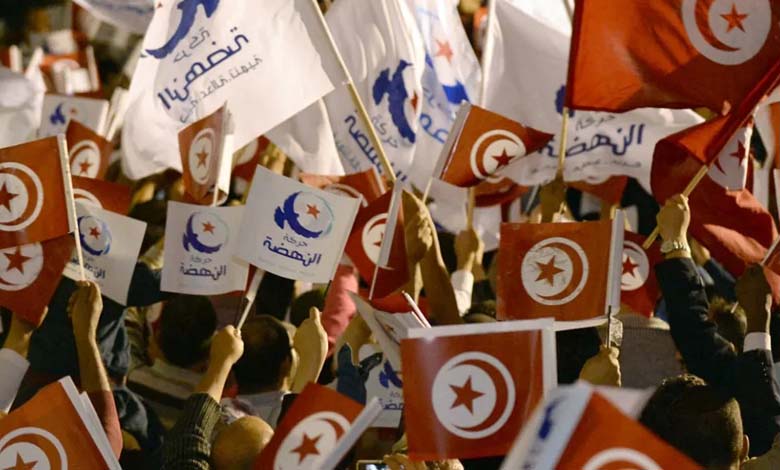
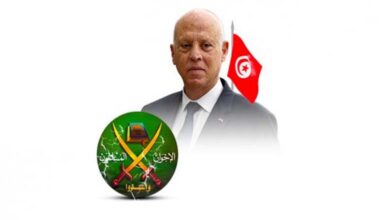
In their latest organizational attempts to reorganize after withdrawing from the Tunisian political scene, a report revealed a political initiative launched by leaders affiliated with the Muslim Brotherhood in Paris, aiming to establish what they called the “Political Front to Resist President Kaïs Saïed’s Rule.” Observers consider this move as lacking popular and domestic legitimacy and reflecting a deep leadership crisis within the movement.
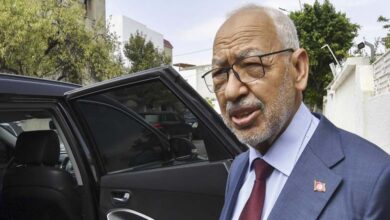
The report notes that the meeting, which brought together figures allied with the Muslim Brotherhood, including former Tunisian Prime Minister Hichem Mechichi, invoked slogans such as “rescue” and “defense of rights.” However, its provisions reveal a primary goal: attempting to restore the movement’s political influence after years of internal decline, with particular emphasis on demanding the release of Brotherhood figures detained in judicial cases related to conspiracy and involvement in matters threatening national security.
A source cited in the report emphasized that this initiative, described as an attempt by the “Brotherhood” to bypass Tunisia’s current political reality, is taking place from exile, without direct engagement with the Tunisian street, raising questions about whether the movement has abandoned its popular base or lost it after years of ineffective management of the country’s political and economic crisis.
Observers believe that the Brotherhood’s reliance on organizing such a front from abroad clearly signals a circumvention strategy intended to bypass the domestic political ban rather than confront the consequences of their governance failures or adapt to Tunisia’s new democratic reality.
In past years, the Ennahdha movement and its political fronts have faced widespread criticism due to accusations of corruption, conspiracy, and weakening state institutions, accusations that continue to dominate political discourse in the country.
Tunisian political analyst Khaled Al-Taweel notes that such initiatives lack genuine popular roots within Tunisia and simultaneously reflect the Brotherhood’s persistence in attempting to export their political ideology from abroad, thereby weakening their chances of regaining the trust of Tunisians who have suffered the consequences of their long rule, marked by administrative failures and economic and social crises.
This external move is also viewed as part of a broader evasive strategy by the Muslim Brotherhood, which previously attempted to form opposition fronts and various political frameworks to reconstruct their political presence, whether through demonstrations or party façades. However, these efforts have often failed to garner significant popular support or achieve meaningful political breakthroughs within the country.
This initiative confirms that the Tunisian Muslim Brotherhood is still seeking ways to return to the political scene. However, the lack of popular legitimacy and reliance on foreign platforms clearly reflects a crisis of trust within society, making this external front a project without a solid foundation and, at its core, more of a circumvention strategy than a genuine political endeavor.