They have only brought it upon themselves: Kais Saied threatens the Muslim Brotherhood and responds to their moves in Europe
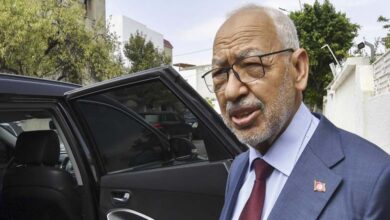
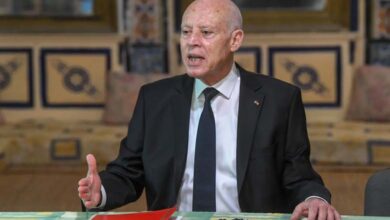
Tunisian President Kais Saied stated that “those who seek to fuel tensions will bear full responsibility before the law,” adding, “they have only brought it upon themselves; no one has wronged them,” in a direct reference to the Muslim Brotherhood in Tunisia and its recent activities inside and outside the country.
-
Foreign Funding Under Scrutiny: President Kais Saied Reopens the Case of the Tunisian General Labour Union
-
As the election date approaches… Muslim Brotherhood in Tunisia intensifies efforts to disrupt
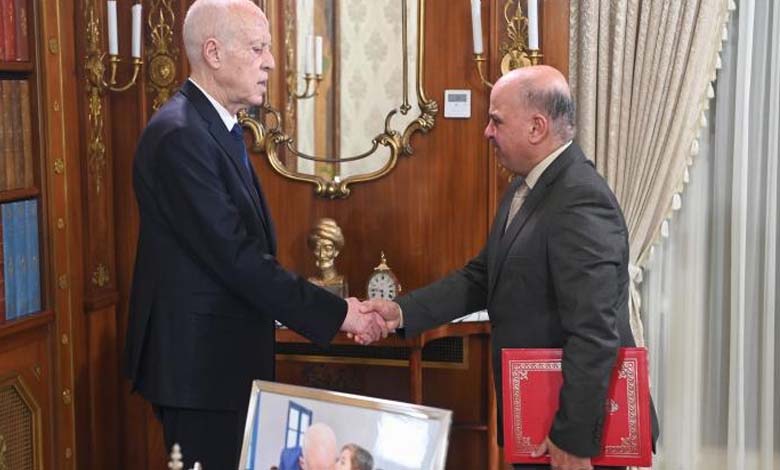
Saied made these remarks during a meeting with Prime Minister Sara Zaafrani at the Carthage Palace, according to a statement released by the Tunisian presidency early Tuesday. He stressed that Tunisia “has achieved significant results when it chose to chart its own path,” despite attempts by internal and external actors, as he put it, to obstruct this course.
The Tunisian president pointed out that certain parties, “under the guise of excessive patriotism,” have not hesitated to call for the imposition of economic sanctions on Tunisia. This was a clear allusion to pressure campaigns led by organizations and networks linked to the Muslim Brotherhood abroad, aimed at undermining the political process launched since July 25.
-
Kais Saied escalates against the Muslim Brotherhood: Accountability is coming, and no one is above the law
-
On the Eve of the Verdict… Documents Reveal Tunisian Brotherhood’s Plot to Assassinate Kais Saied
On the economic front, Saied addressed draft laws related to investment, emphasizing that achieving social justice remains a priority and that the causes of stagnation “do not lie in legal texts alone,” but rather in the infiltration of lobbies within the administration and the spread of corruption. He argued that any genuine reform requires addressing these root causes.
He also stressed that efforts are ongoing to empower a new generation to assume responsibility, affirming that the Tunisian people “do not only need a new discourse, but tangible achievements delivered swiftly and without obstacles.”
-
Who is Noureddine Bhiri, the mastermind of the Muslim Brotherhood in Tunisia, accused in the travel case after being sentenced?
-
Pursuit of the Muslim Brotherhood: Kaïs Saïed pushes for resolution of cases
Saied’s warnings came one day after a joint statement was issued by several Tunisian organizations, including groups aligned with the Muslim Brotherhood, urging members of the European Parliament to reject Tunisia’s inclusion on the list of “safe countries of origin,” ahead of a vote scheduled for February 10.
These organizations opposed Tunisia’s inclusion on the list, arguing that the country “is no longer safe,” citing what they described as a “non-democratic shift” and “widespread repression.” These accusations are rejected by the Tunisian authorities, who view them as part of a political pressure campaign aimed at tarnishing the country’s image abroad.
-
How Kais Saied Ended the Control of the “Muslim Brotherhood” Over Tunisia and Its Institutions: A Report Explains
-
Its effects are no less than bombing Palestinian hospitals… Saied speaks about the corruption of the Brotherhood in Tunisia
-
Tunisia Ends the Era of the Muslim Brotherhood: Kais Saied Wins Presidential Election in the First Round
-
Kais Saied Exposes the Muslim Brotherhood’s Plots: A “Fierce War” Orchestrated from Abroad
-
The Ennahdha Movement collapses… Crises hit the Muslim Brotherhood in Tunisia
-
Kais Saied Hints at His Candidacy for a Second Presidential Term