Trends: The war with Iran tests the cohesion of the Atlantic alliance
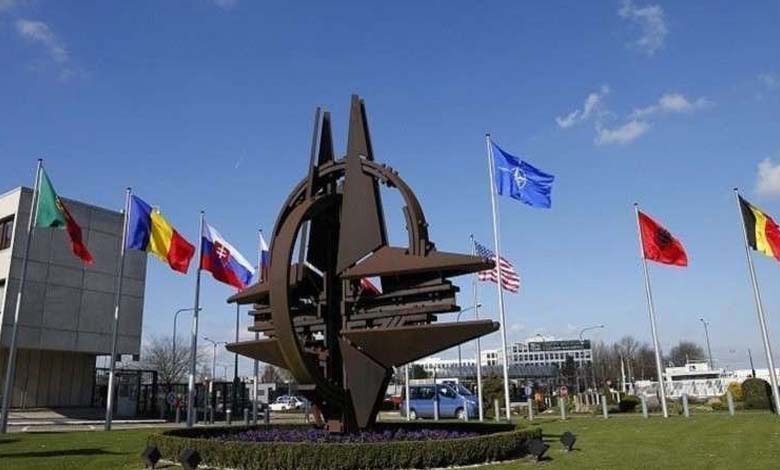
The war with Iran places Europe before a strategic dilemma and exposes growing fractures within the transatlantic alliance.
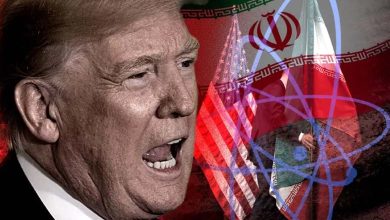
A research report issued by the “Trends” research and advisory group reveals that the ongoing war with Iran has confronted Europe with a complex strategic dilemma while exposing increasing rifts within the transatlantic alliance, amid clear differences in perspectives between Washington and European capitals.
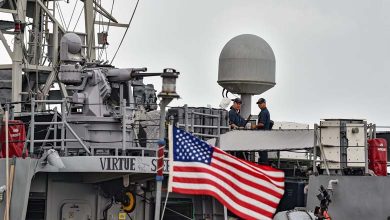
The report, published by the center’s Department of Strategic Studies, explains that the military operations led by the United States and Israel against Iran were carried out without prior coordination with European countries, placing them before a new reality that calls for their involvement, particularly in missions to secure navigation in the Strait of Hormuz, even as they already bear rising economic costs due to higher energy prices and disruptions in supply chains.
It points out that this conflict does not fall within the traditional missions of the North Atlantic Treaty Organization (NATO), which raises legal and political questions in Europe regarding the legitimacy of military participation. In this context, reserved positions have emerged from some states, such as Germany, along with other European countries, reflecting a relative decline in automatic support for operations led by Washington.
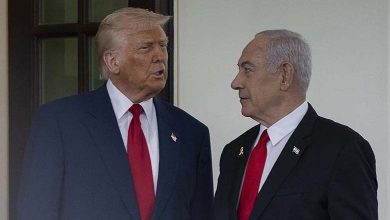
The report notes that the administration of U.S. President Donald Trump is adopting a firmer approach, calling on countries that benefit from energy flows through the Gulf to assume greater responsibility for protecting them. However, this proposal has been met with broad skepticism in Europe, especially since those countries were not involved in the decision to escalate militarily.
The report confirms that these developments reflect a state of uncertainty within the transatlantic partnership, as Europe lacks sufficient political momentum to engage militarily despite being directly affected by the crisis’s repercussions, while the United States tends to redefine its security commitments according to the principle of “burden sharing.”
The report outlines three possible scenarios for the future of the European position. The first involves limited engagement confined to protecting maritime navigation without broad military participation, balancing American pressure with internal considerations. The second scenario points to an acceleration of Europe’s move toward strengthening its strategic autonomy and reducing its reliance on the United States, a path that could reshape the structure of European security in the medium term.
The third scenario warns of escalating disagreements between the two sides of the Atlantic, which could lead to reduced coordination and weakened trust within the alliance, particularly amid ongoing differences over international security priorities and decision-making mechanisms.
The report concludes that the war with Iran does not represent a direct threat of the collapse of the Atlantic alliance, but rather a real test of its cohesion and its ability to adapt to international changes. It emphasizes that the core of the disagreement is no longer limited to shared values but is increasingly linked to risk sharing and burden distribution, factors likely to play a decisive role in shaping the future of this alliance in the coming period.