Trump hints at imminent end to the war against Iran
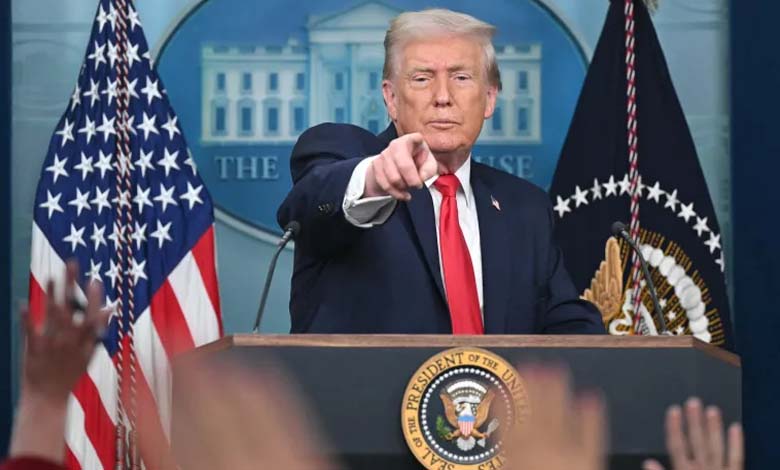
The U.S. president asserts that Washington is close to weakening Iran’s missile capabilities, destroying its defense industrial base, and eliminating its naval and air forces.
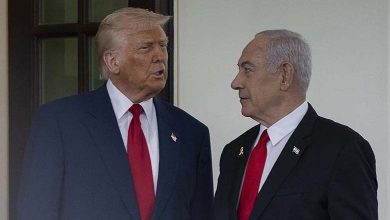
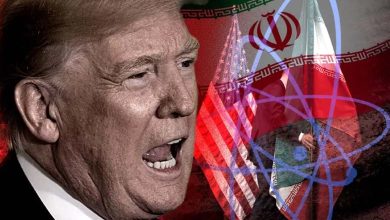
President Donald Trump has suggested that the war against Iran could soon end, stating that the United States is approaching its operational objectives and is considering reducing its military efforts. He also urged countries that use the Strait of Hormuz to secure it.
-
Trump and Iranian nuclear fuel: a strategic move to decide the war
-
Trump and Iran: three military paths on the decision table
On his Truth Social account, Trump outlined five goals he said are near completion: weakening Iran’s missile capabilities, destroying its defense industrial base, neutralizing its naval and air forces, including anti-aircraft systems.
He added that preventing Tehran from acquiring nuclear capabilities, keeping the U.S. in a position to respond swiftly and decisively if such a situation arises, and protecting U.S. allies in the Middle East—including Israel, Saudi Arabia, Qatar, the UAE, Bahrain, and Kuwait—are also key objectives.
-
Trump and Iran: 4 Possible Scenarios, Including “Shock and Awe”
-
Trump mobilizes for a Hormuz alliance and broader international involvement in the war against Iran
Trump emphasized that “countries that use the Strait of Hormuz should take responsibility for protecting and securing it as necessary, as the United States does not use it.” He added, “If requested, we will assist these countries in their efforts regarding the strait, but this will not be necessary once the Iranian threat is neutralized, and most importantly, the military operation will be easy for them.”
On March 2, Iran announced restrictions on navigation through this vital passage and threatened to attack any vessel attempting to cross without coordination, in response to ongoing U.S.-Israeli aggression.
Around 20 million barrels of oil transit the strait daily. Its closure has led to higher shipping and insurance costs, rising oil prices, and concerns about global economic impacts.
-
Trump, CNN and the speech of Iran’s new Supreme Leader: four minutes that reignite the war
-
Trump studies Iran’s future after the war and keeps an eye on Khamenei’s successor
Recently, the U.S. president has failed to form a broad international coalition to secure the strait. White House spokeswoman Caroline Leavitt said the Trump administration had initially expected the operation to last four to six weeks; it is now in its third week, suggesting the military campaign could end in about a week.
In a post on platform X, she highlighted that U.S. forces are performing “exceptionally,” noting that Iran “is being paralyzed day by day,” and confirmed that Trump remains focused on a “complete and total victory.”
However, a U.S. official told Axios that Trump’s post does not indicate an imminent end to the war, adding, “He only said we are approaching it,” implying that strikes could continue “for a few more weeks.”
-
Iran protests put Trump to the test between escalation and dialogue
-
After Trump’s threats, Iran affirms readiness for war and dialogue
Since February 28, the U.S. and Israel have waged a war against Iran, resulting in hundreds of deaths, including Supreme Leader Ali Khamenei and senior security officials. Tehran has responded by launching missiles and drones toward Israel.
Iran has also targeted what it describes as U.S. sites and interests in Arab countries, some of these attacks causing casualties and damage to civilian infrastructure, which has been condemned by the affected states.
-
Iran Warns Trump Against Intervention and Draws the Red Line
-
Behind Trump’s Deal: How Iran and Israel Agreed to End the War
-
Energy Investments: Iran’s New Card to Woo Trump and End Sanctions