Wall Street Journal: Military Power Trumps Ideology… Houthis Distance Themselves from Iran in the War
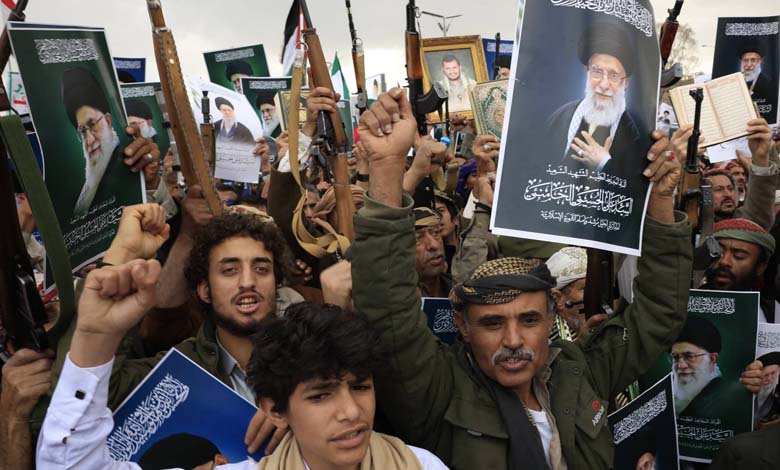
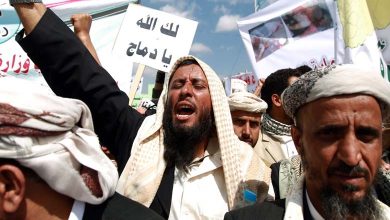
Analysts predict that Yemen’s involvement in the conflict with Iran could trigger maritime crises in the Red Sea. However, to date, the Houthis have remained inactive—not because they have become a peace-loving force, nor because they have abandoned their vocal and aggressive support for Iran.
The Wall Street Journal reports that the Houthi militia, representing northern Yemeni tribal alliances, relies on the language of military power—a language respected throughout the Middle East.
Alliance with Iran
As long as Iran armed and financially supported the Houthis, the alliance with Tehran remained attractive. Iran could influence destabilizing fighting forces such as Hamas and Hezbollah, while maintaining an arsenal of missiles and drones capable of threatening cities within a 1,200-mile range. This regional position gave Iran substantial leverage over its allies in Yemen.
This situation persisted during the twelve-day war in June, when Supreme Leader Ali Khamenei and the Iranian Revolutionary Guard countered Israeli and U.S. strikes on Iran’s three main nuclear sites.
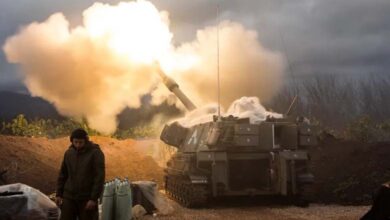
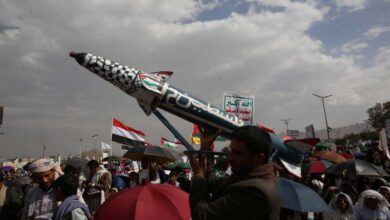
The Houthis participated by launching dozens of missiles and drones, demonstrating solidarity with Iran, which prompted retaliatory Israeli strikes targeting Houthi leaders.
Since October 2023, the Houthis have been among the few actors regularly firing ballistic missiles in the region.
Impact of the Assassination of the Revolutionary Guard Leadership on Houthi Position
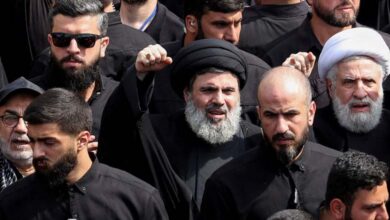
The killing of Khamenei and a large part of the Iranian Revolutionary Guard leadership, followed by U.S. and Israeli strikes, has pushed Houthi leaders to reassess Iran’s regional dominance.
They have begun to doubt Iran’s ability to continue supporting its network of regional proxies, and loyalty to Iran may now be considered a burden rather than an asset.
Elements within the movement or Iranian advisers could unilaterally launch a ballistic missile, potentially drawing Yemen into further conflict. Yet, this regional moment also opens alternative possibilities.
Houthis’ Experience in Previous Conflicts
When the Houthis fought Israel in 2023, they were forced to negotiate with the Saudi-backed and internationally recognized Yemeni government from a position of weakness.
The civil conflict in Yemen, ongoing for nearly ten years, had reached a stalemate, and the Houthis were losing popular legitimacy.
However, by launching their first missile toward Israel, they achieved significant popular support in Yemen, as defending the Palestinian cause unified the Arab street like no other political goal.
Their popularity among Yemenis increased, securing their place in national politics for many years, whereas the Iranian flag did not have the same effect on local public opinion.
Military Power and Historical Loyalties
This mindset runs deep in Yemeni history, where military strength has always been decisive in maintaining power.
Yemeni tribal alliances with foreign powers were historically based on the ability to provide the greatest benefit to the ruling authority—from the Ottomans in the 19th century, to the British in the 20th, then Saudi Arabia, Israel in the 1960s, and Iran in recent decades.
Opportunities for the Houthis and the U.S. Role in the Red Sea
Recent shows of force against Iran over the past weeks have demonstrated to Yemenis the potential vulnerability of Iranian leadership and highlighted U.S. influence in the Middle East.
This moment could give the Houthis an opportunity to cooperate with the United States to secure Red Sea navigation, rather than further increasing uncertainty.
The U.S. president could grant the Houthis international recognition and facilitate their participation as equal partners in a federal Yemen divided between north and south.
Meanwhile, Israel’s recognition of Somaliland and the potential use of overwhelming force against regional movements indicate that the Houthis’ diplomatic window is extremely limited. This presents an opportunity for the United States to leverage this hesitation to achieve long-term stability in the Red Sea and possibly across the Middle East.