200 million dollars in losses within moments that shake Donald Trump’s calculations
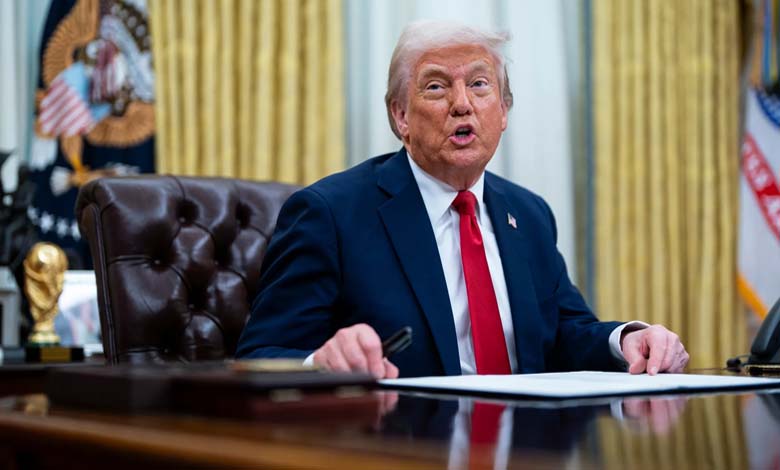
The cost of war is no longer measured solely by military losses, but now extends into the American domestic sphere and international alliances, in a real test of Washington’s ability to manage a complex conflict without paying a heavy political and economic price.
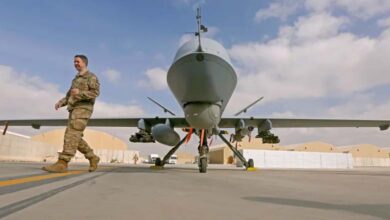
Recent developments in the war between the United States and Iran reveal a notable escalation in the cost of the confrontation, not only on the battlefield but also inside the United States, politically and economically, amid indications that the calculations of U.S. President Donald Trump are being shaken. The Wall Street Journal reported that the U.S. military was forced to destroy two MC-130J military transport aircraft inside Iran after they malfunctioned during a rescue mission for a pilot whose F-15 fighter jet had crashed, in a complex operation reflecting the high-risk nature of missions conducted deep inside Iranian territory.
According to the report, the value of each aircraft exceeds 100 million dollars, meaning that the direct losses from this single operation are estimated at more than 200 million dollars, at a time when Washington has issued no official statement regarding the incident.
MC-130J aircraft are used for transporting military forces and evacuation operations. They are distinguished by their ability to refuel in mid-air and are equipped with systems capable of countering air defense systems, including heat-seeking missiles.
On Sunday, The New York Times reported that the search operation for the pilot faced complications after two transport aircraft malfunctioned inside Iran. Replacement aircraft were dispatched and the disabled planes were destroyed “for fear they might fall into Iranian hands,” reflecting the scale of operational challenges faced by U.S. forces.
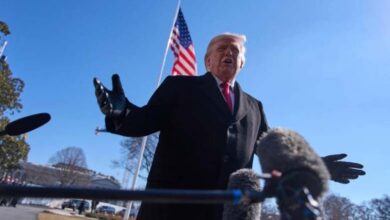
Although these losses may appear limited within the context of large-scale military operations, they highlight the rising cost of the war, which extends far beyond direct losses. The administration of President Donald Trump is facing growing internal pressure, with a request for additional war funding estimated at around 200 billion dollars, which has triggered sharp divisions within the U.S. Congress between supporters of continued pressure on Iran and opponents warning of long-term economic strain.
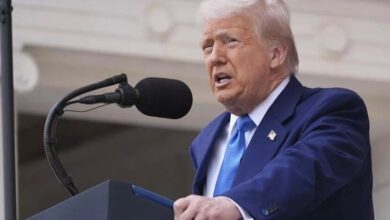
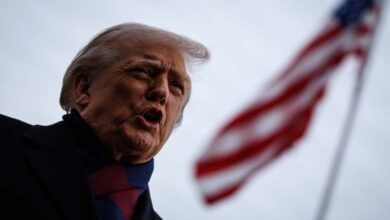
These divisions coincide with a noticeable decline in Trump’s popularity, which has reached its lowest levels since the outbreak of the war, according to political and media estimates, amid increasing protests against his policies, particularly as living costs rise and energy prices surge due to disruptions in global markets. Observers fear the war could become a heavy political burden affecting the future of the U.S. administration domestically.
The war is also placing additional strain on the U.S. economy at a time when global oil prices are rising sharply, affecting transportation and production costs and increasing inflation rates. Continued military operations significantly raise defense spending, which could widen the federal budget deficit.
At the alliance level, the repercussions of the war are beginning to raise questions about the cohesion of the North Atlantic Treaty Organization, as some European countries face internal pressure to distance themselves from involvement in a prolonged conflict, particularly given growing economic burdens. The continuation of the war could deepen divisions within the alliance between those supporting escalation and those favoring diplomatic solutions.
Amid these developments, the war could also contribute to shaping the contours of a new international order, depending on its trajectory. If it continues for an extended period, it may lead to a reshaping of international alliances and a decline in American dominance in favor of other powers seeking to fill the vacuum. Conversely, a deal between Washington and Tehran could open the door to a phase of de-escalation and a reordering of strategic priorities.
The cost of the war is therefore no longer measured solely by military losses, but now extends into the American domestic sphere and international alliances, in a real test of Washington’s ability to manage a complex conflict without paying a heavy political and economic price.