Egyptian Intervention in Sudan: An Analytical Review of the Nature of Military Supplies and Their Impact on the Course of the Conflict
The Sudanese war, ongoing since mid-2023, raises numerous questions regarding internal actors and external supporters, with Egypt’s role at the forefront, becoming a subject of intense debate both within Sudan and abroad. While Cairo denies any direct involvement in the conflict, field reports and accounts from local and international observers continue to accumulate, pointing to various forms of military and logistical support reaching the Sudanese army. These claims, if confirmed, carry strategic implications as well as ethical and humanitarian dimensions, and provide insight into regional interventions in a complex conflict whose local populations bear the daily cost.
At the first level, circulating reports address military air operations believed to have departed from Egyptian bases towards conflict zones. Residents in states such as Northern and Nile have reported observing unusual aerial sorties coinciding with attacks carried out by the Sudanese army on Rapid Support Forces positions. Military experts note that although the Sudanese army possesses fighter jets, it faced technical challenges in maintaining continuous operational capacity, especially after damage to some air bases. This opens the possibility of external support to provide spare parts, maintenance, or even direct technical assistance. While definitive evidence is lacking, the recurrence of these accounts across multiple areas makes them part of the overall narrative under discussion.
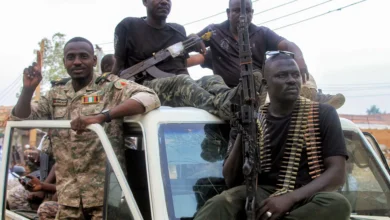
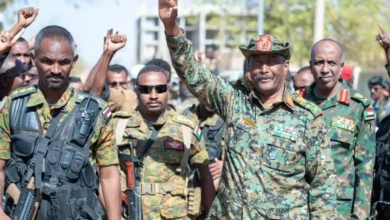
Connected to this are allegations of a corridor for smuggling or transferring Egyptian weapons to the Sudanese army. Local sources indicate that certain military movements along the northern border were conducted under the guise of humanitarian aid or routine logistical support, while shipments of ammunition or military equipment were being transferred. Observers note that these supplies were a crucial factor in the army’s ability to hold ground during the initial months of the war, especially as internal supply lines were threatened or cut in several areas. Some defecting officers assert that external support helped the army reorganize its operations and expand its control over certain regions.
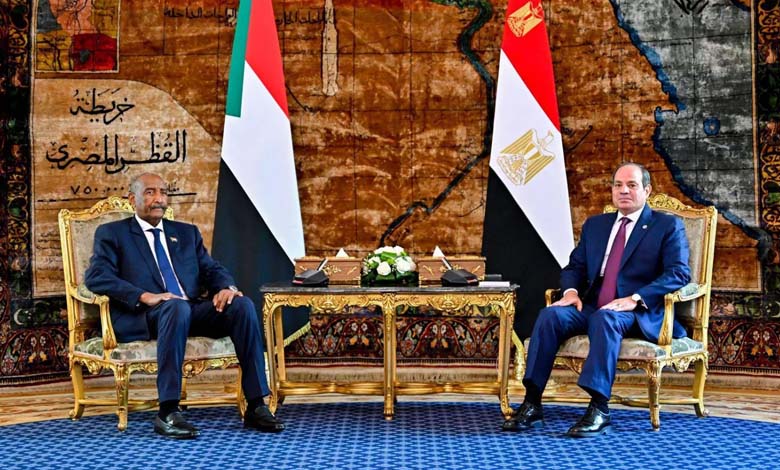
Another dimension of these allegations is political and complex, relating to Cairo’s view of the situation in Sudan. Strategically, Egypt regards Sudan’s stability as a matter of national security, particularly as the southern borders represent a sensitive geographical contact line. However, according to critics, this perspective led Cairo to favor one military actor over adopting a neutral approach aimed at ending the war.
Analysts suggest that this support — whether declared or undeclared — strengthened the Sudanese military leadership’s position and pushed it towards a military resolution rather than engaging in a comprehensive negotiation process, thereby prolonging the war and increasing human losses.
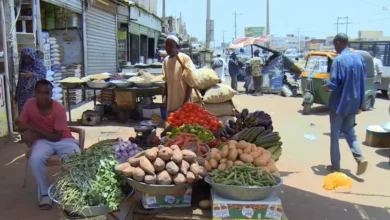
The humanitarian dimension of these potential interventions is the most critical. Targeting by aircraft of certain civilian areas, according to residents’ accounts, has resulted in numerous casualties, along with the destruction of homes, markets, and service infrastructure. With humanitarian convoys impeded in some regions due to air attacks or road closures caused by military operations, civilians find themselves in the midst of a severe humanitarian crisis. Estimates from local organizations indicate that hundreds of thousands of families currently live in extremely harsh conditions, lacking sufficient food and potable water, making any external support that prolongs the war an ethical and legal concern.
Economic considerations within Egypt itself are also highlighted in the debate. In the context of severe economic decline, high inflation, and currency fluctuations, allocating resources to support a party in an external conflict draws sharp criticism. Egyptian economists argue that the state faces urgent domestic priorities, such as improving social services and infrastructure, and that there is no justification for spending financial or military resources in a conflict beyond its borders.
In conclusion, it appears that allegations regarding Egyptian intervention are not mere speculation but are part of a complex regional landscape reflecting a struggle for influence and political pathways. While a complete picture still requires independent and transparent investigations, the impact of these potential interventions on civilians and civil peace makes examining and discussing them an urgent necessity, particularly amid the ongoing war and the complexity of potential solutions.