Israel on the verge of rupture… Netanyahu’s request for clemency ignites the streets
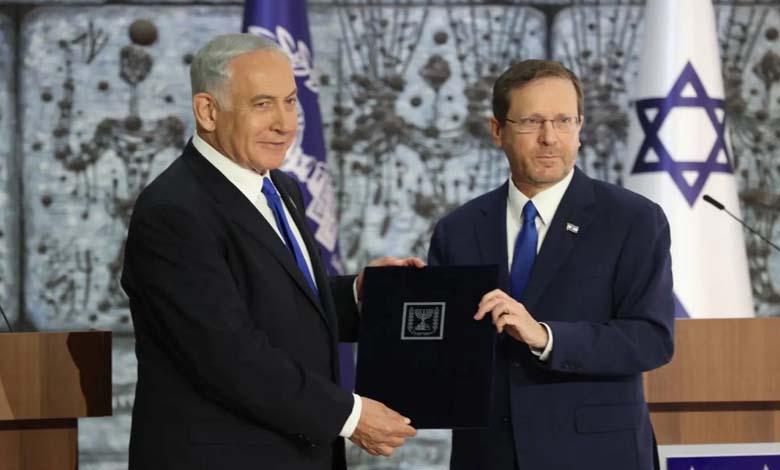
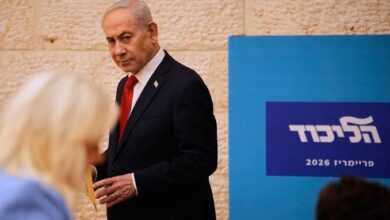
The request for clemency submitted by Israeli Prime Minister Benjamin Netanyahu has triggered one of the most severe legal and political crises in Israel’s modern history, amid an escalating internal debate over the future of the rule of law and democracy in the country.
The request, publicly endorsed by U.S. President Donald Trump, has reopened old wounds of internal division and sparked widespread controversy among legal experts and opponents of the Prime Minister. According to The Times, many believe Israel now stands at an unprecedented political and constitutional crossroads.
Since the start of his trial in 2020 on three charges involving bribery, breach of trust, and fraud, Netanyahu has maintained his innocence, portraying the investigations as a “political witch hunt” aimed at removing him from power. Yet his decision to seek a presidential pardon from Isaac Herzog marks a major shift in strategy, especially as he knows that leaving office would weaken his legal position and increase the likelihood of conviction.
The most striking development was Trump’s direct intervention, urging Herzog to halt the trial and describing the charges as “trivial details” that did not justify removing an allied prime minister.
However, this external support sparked anger among Netanyahu’s opponents, who viewed it as an attempt to influence the judiciary and undermine the principle of separation of powers. They argue that the clemency campaign is merely an extension of the controversial judicial overhaul proposed before the October 7 attacks, which had already sparked massive protests and deep internal crises.
Despite surviving numerous political and personal scandals over decades, the corruption charges he currently faces remain the gravest of his career, as they carry the real possibility of imprisonment and could end his political life.
Some legal experts, however, believe that the real threat lies mainly in “Case 1000”, related to receiving luxury gifts, which several specialists consider procedurally weak.
Professor Moshe Cohen Elia even argues that “many on the right want the trial to continue because it exposes the extent of the deep state’s interference against Netanyahu”, comparing the situation to cases involving right-wing leaders such as Trump, Bolsonaro, and Marine Le Pen.
Netanyahu’s push for clemency comes at a politically explosive moment ahead of the upcoming general elections, and amid growing public anger following the ceasefire. The Israeli public is demanding answers regarding the failures of October 7, 2023.
Despite opposition calls for him to retire from politics in exchange for a possible pardon, Netanyahu insists he will not step down and intends to remain in power.
Israeli media analysis suggests a possible scenario of a “conditional pardon”, which could require Netanyahu to acknowledge partial responsibility for the security failures or agree to an official inquiry into the attack. However, Herzog — according to assessments — is unlikely to take a step contrary to the Justice Ministry’s recommendations, for fear of being accused of “reviving the judicial coup”.
As anti-Netanyahu protests continue, both sides trade accusations over the causes of the security failures. The opposition blames him for missing opportunities to negotiate hostage exchanges in order to preserve his political future, while his supporters claim the protest movement “weakened Israel” before the attack. Tensions escalated further after Netanyahu posted — then deleted — a message accusing the security establishment of withholding sensitive information.
Observers agree that the upcoming clemency decision will be as political as it is legal, and that Herzog faces conflicting pressures from the public, the United States, and right-wing factions supporting the Prime Minister.
Yet the roots of the crisis run far deeper than any presidential decision can resolve, with many expecting an intensification of the divide between right and left, especially amid ongoing debates about the future of the Palestinian state and the war in Gaza.