Syrians and Palestinians barred from entering the United States alongside nationals of six other countries
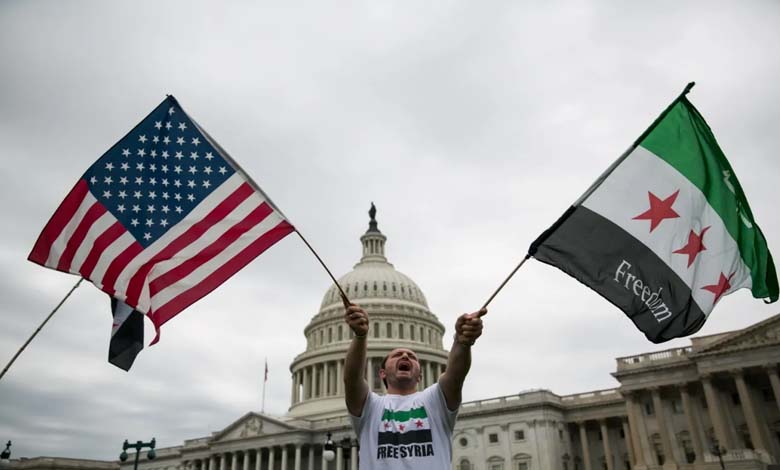
The United States has expanded the list of countries subject to a full travel ban to include Syrians, Palestinians, and nationals of six other countries.
In a statement, the White House said that U.S. President Donald Trump had signed a proclamation that “expands and tightens entry restrictions (to the United States) on nationals of countries with clear, persistent, and severe deficiencies in screening, vetting, and information sharing, in order to protect the nation from threats to national security and public safety.”
The measure announced today bars entry to nationals of Burkina Faso, Mali, Niger, South Sudan, and Syria, as well as holders of travel documents issued by the Palestinian Authority. It also imposes a full ban on Laos and Sierra Leone, which had previously been subject only to partial restrictions.
-
Understandings between Netanyahu and Barak on regulating Israeli movements in Syria
-
Clashes near Sweida shatter ceasefire: Washington urges Syrians to build a new unified identity
The White House said the expanded ban would take effect on January 1.
The decision comes despite Trump’s pledge to do everything in his power to ensure Syria’s success, following historic talks held in November with its president, Ahmed Al-Charah.
The U.S. move follows the killing of three American citizens in Syria in a terrorist operation involving a security element affiliated with the terrorist organization ISIS.
In the aftermath of the attack, Trump vowed in a post on his social media platform Truth Social on Saturday that there would be a “very serious retaliation.”
The White House cited high rates of visa overstays by Syrian nationals as part of its justification for the ban.
It stated: “Syria is emerging from a prolonged period of civil unrest and internal conflict. Despite efforts to address its security challenges in close coordination with the United States, Syria continues to lack an adequate central authority to issue passports or civil documents and does not maintain appropriate screening and vetting procedures.”
-
Renewed Clashes Between Druze and Bedouin Tribes Prompt Government Forces to Return to Suwayda
-
UN Report Denies Any Link Between Damascus and Al-Qaeda
The partial ban list
In June, Trump signed a proclamation banning entry to the United States for citizens of 12 countries and restricting entry for nationals of seven others, saying the measures were necessary to protect against “foreign terrorists” and other security threats. The bans and restrictions apply to both immigrants and non-immigrants, including tourists, students, and business travelers.
The White House said the travel ban remains in place for those twelve countries.
Trump also imposed partial restrictions on the entry of nationals from 15 additional countries, including Nigeria, which has been under scrutiny by the U.S. president, who threatened in early November with military intervention over the treatment of Christians in the country.
Nigeria says claims that Christians are being persecuted do not reflect the reality of the complex security situation and fail to take into account efforts to protect religious freedom.
-
Neutralizing Beirut: Lebanon Seeks Understanding with Israel after Saturday Escalation
-
Al-Sharaa Pledges to Form an Inclusive Government in His First Speech to Syrians
Since returning to office in January, Trump has made strict enforcement of immigration laws a top priority, deploying federal personnel to major U.S. cities and turning back asylum seekers at the U.S.–Mexico border.
The expansion of the list of countries subject to entry restrictions into the United States represents a further escalation of the administration’s immigration measures since the shooting that killed two National Guard members in Washington, D.C., last month.
Investigators say the shooting was carried out by an Afghan national who entered the United States in 2021 through a resettlement program that officials in the Trump administration say lacked sufficient vetting.
Days after the shooting, Trump pledged a “permanent halt” to immigration from all “third world countries,” although he did not specify which countries he was referring to or define the term.
-
Complex Situation and Declaration of War: Escalating Crisis Between Arab Tribes and Syrian Democratic Forces
-
Syrian Analyst: What’s happening in Suwayda is attempts to sow discord and create a state of disturbance among citizens
-
Al-Sharaa begins dismantling the foreign jihadist file in response to Western pressure
-
Syria struggles to achieve stability on the first anniversary of al-Assad’s fall