Why does facial redness increase with age?
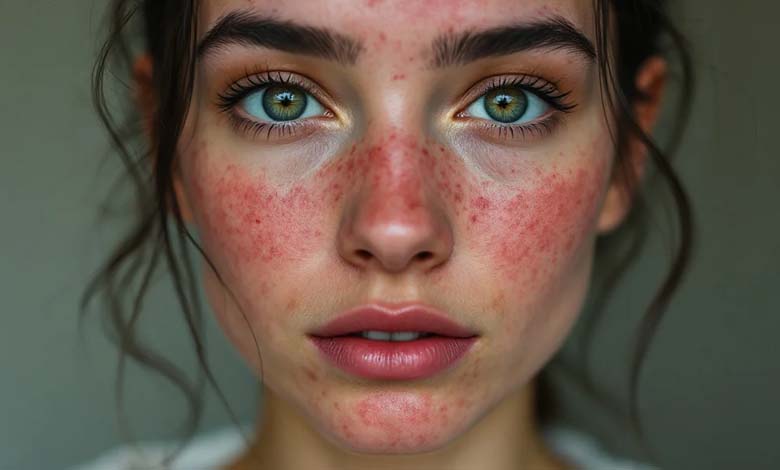
As people grow older, many notice a gradual change in their facial complexion, particularly an increase in redness that may be occasional, diffuse, or persistent. This phenomenon, often perceived as a purely cosmetic issue, is in fact rooted in complex biological, vascular, hormonal, and environmental mechanisms. The increase in facial erythema with age is not random, but rather the visible outcome of profound changes affecting the skin and the circulatory system.
-
Why does humidity increase feelings of fatigue and exhaustion?
-
How Daily Hydration Reduces the Risk of Gout
Skin aging and its visible consequences
Over time, the skin undergoes intrinsic aging driven by genetic factors and extrinsic aging caused by environmental influences such as sun exposure, pollution, and oxidative stress. One of the most significant changes is the progressive thinning of both the epidermis and the dermis. As the skin becomes thinner, its ability to conceal the underlying blood vessels decreases, making capillaries more visible at the surface.
At the same time, the reduction in collagen and elastin production weakens the skin’s structural support. Blood vessel walls lose firmness, become more fragile, and dilate more easily, which contributes to increased redness, particularly on the cheeks, nose, and chin.
The central role of blood vessels
The cutaneous vascular system plays a crucial role in regulating body temperature. With age, the mechanisms responsible for vasoconstriction and vasodilation become less efficient. Facial blood vessels begin to react excessively to stimuli such as heat, cold, emotional stress, alcohol consumption, or spicy foods.
This heightened vascular reactivity leads to more frequent and intense blood flow toward the facial skin. Over time, repeated episodes of dilation may become permanent, resulting in the formation of visible dilated capillaries, commonly known as telangiectasia, which contribute to chronic facial redness.
-
Does Retinol Really Reduce the Signs of Aging?
-
They Must Be Removed: Contact Lenses—A Hidden Danger in the Shower
Hormonal aging and vascular sensitivity
Hormonal changes are another important factor, particularly in women. The decline in estrogen levels after menopause has a direct impact on skin hydration and vascular stability. Estrogens play a protective role in maintaining blood vessel integrity; when their levels drop, capillaries become more fragile and prone to dilation.
In both men and women, aging also affects neurovascular regulation. The nervous system becomes less precise in controlling vascular responses, which explains why facial flushing can occur suddenly and without an obvious trigger in older individuals.
-
Irritation and Infections: How Makeup and Contact Lenses Affect Your Eyes
-
UK Reports Unexplained Case of Mutated Mpox Virus, Raising Public Health Concerns
Rosacea and age-related susceptibility
Rosacea is a chronic inflammatory skin condition that predominantly affects middle-aged and older adults. It is characterized by persistent facial redness, often accompanied by sensations of heat, tingling, or burning. While its exact causes remain under investigation, skin aging, vascular fragility, and an exaggerated inflammatory response play a major role.
As the skin ages, its protective barrier weakens, allowing irritants to penetrate more easily and trigger inflammation. This combination significantly increases the likelihood and severity of redness in individuals predisposed to rosacea.
Cumulative environmental damage
Environmental damage accumulates over decades. Chronic exposure to ultraviolet radiation is one of the leading causes of permanent facial redness, as UV rays weaken capillary walls and stimulate the formation of abnormal new blood vessels.
Air pollution, smoking, and repeated climatic changes further contribute to oxidative stress and vascular inflammation. With advancing age, the skin’s capacity for repair diminishes, making these effects more visible and long-lasting.
The role of skin barrier dysfunction and chronic inflammation
Aging skin gradually loses its ability to retain moisture and protect itself against external aggressors. This deterioration of the skin barrier increases sensitivity and promotes low-grade chronic inflammation. Persistent inflammation encourages blood vessel dilation and intensifies facial redness.
Moreover, the skin’s immune system becomes less effective at regulating inflammatory responses, which explains why redness that was once temporary can become permanent over time.
The increase in facial redness with age results from a complex interplay of factors, including skin thinning, vascular fragility, hormonal changes, heightened vascular reactivity, chronic inflammation, and cumulative environmental exposure. Rather than being a simple aesthetic concern, facial redness reflects deeper biological transformations associated with aging. Understanding these mechanisms provides valuable insight into skin aging and highlights the importance of preventive and protective strategies to maintain skin health and balance over time.
-
Posthitis: causes, symptoms, treatments of this inflammation of the foreskin
-
The Drawbacks of Daily Makeup Use on Women’s Skin