Sleeping Next to Your Phone: Long-Term Health Risks
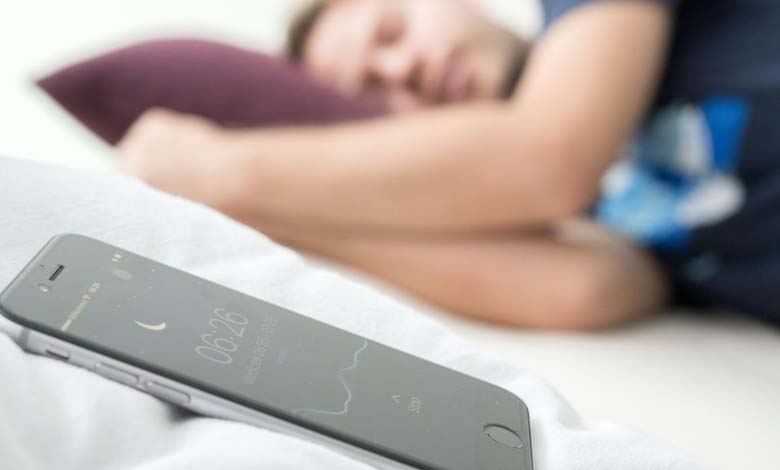
In the digital era, it has become common for many people to sleep with their smartphones within reach. Whether for alarms, notifications, or simply out of habit, this practice is increasingly widespread. However, scientific research suggests that sleeping in close proximity to a smartphone can have negative long-term effects on health, impacting sleep, cognitive function, metabolism, and mental well-being.
Impact on Sleep Quality
One of the most immediate and well-documented effects of keeping a phone near the bed is sleep disruption. The blue light emitted by smartphone screens suppresses melatonin production, the hormone responsible for regulating the sleep-wake cycle. Even low levels of exposure can delay sleep onset, reduce deep sleep duration, and decrease overall sleep quality.
Moreover, notifications and vibrations can cause micro-awakenings or sleep interruptions, even when the phone is on silent mode. Over time, repeated disruptions contribute to chronic fatigue and circadian rhythm disturbances, increasing the risk of persistent sleep disorders such as insomnia.
Effects on Mental and Cognitive Health
Sleeping next to a phone also affects mental health. Studies show that excessive smartphone use before bedtime is associated with increased stress, anxiety, and depressive symptoms. Being constantly connected amplifies a sense of urgency and overstimulation, preventing the brain from relaxing before sleep.
Additionally, insufficient or poor-quality sleep can impair cognitive functions such as memory, attention, and decision-making. Young adults and adolescents are particularly vulnerable, as their brains are still developing and sensitive to sleep interruptions and continuous digital stimulation.
Long-Term Physiological Risks
Beyond sleep and mental health, sleeping with a smartphone nearby can have long-term physiological consequences. Chronic sleep deprivation is linked to an increased risk of cardiovascular disease, obesity, type 2 diabetes, and metabolic disorders.
Some studies also suggest that prolonged exposure to electromagnetic fields, even at low intensity, may affect cellular metabolism and hormonal cycles. Although evidence remains debated, the World Health Organization recommends limiting exposure to electronic devices at night, particularly near the body.
Impact on Social Relationships and Emotional Well-Being
Sleeping with a phone within reach also affects emotional well-being and social relationships. People who frequently check their phones in bed tend to reduce time spent on direct social interactions and communication with family and friends. This habit can foster loneliness, stress, and decreased empathy, especially among adolescents and young adults.
Recommendations to Reduce Risks
To mitigate the negative effects of phones on health, several measures can be adopted:
- Keep the phone away from the bed: Place smartphones at least one meter away or in another room to reduce exposure to blue light and vibrations.
- Use “Do Not Disturb” or turn off the phone: Enable these modes during the night to prevent notifications and sleep interruptions.
- Limit pre-sleep screen time: Avoid social media, emails, or games at least 60 minutes before bedtime.
- Adopt relaxing routines: Reading, meditation, or breathing exercises help prepare the brain for sleep.
- Education and awareness: Informing youth and adults about the risks associated with nighttime smartphone exposure encourages healthier habits.
Sleeping with a phone nearby may seem harmless, but scientific evidence indicates that it can disrupt sleep, affect mental health, impair cognitive function, and increase the risk of chronic diseases in the long term. To protect physical and psychological health, it is recommended to create a device-free sleep environment and adopt calming nighttime routines. Awareness and responsible digital behaviors are crucial steps toward sustainable well-being.